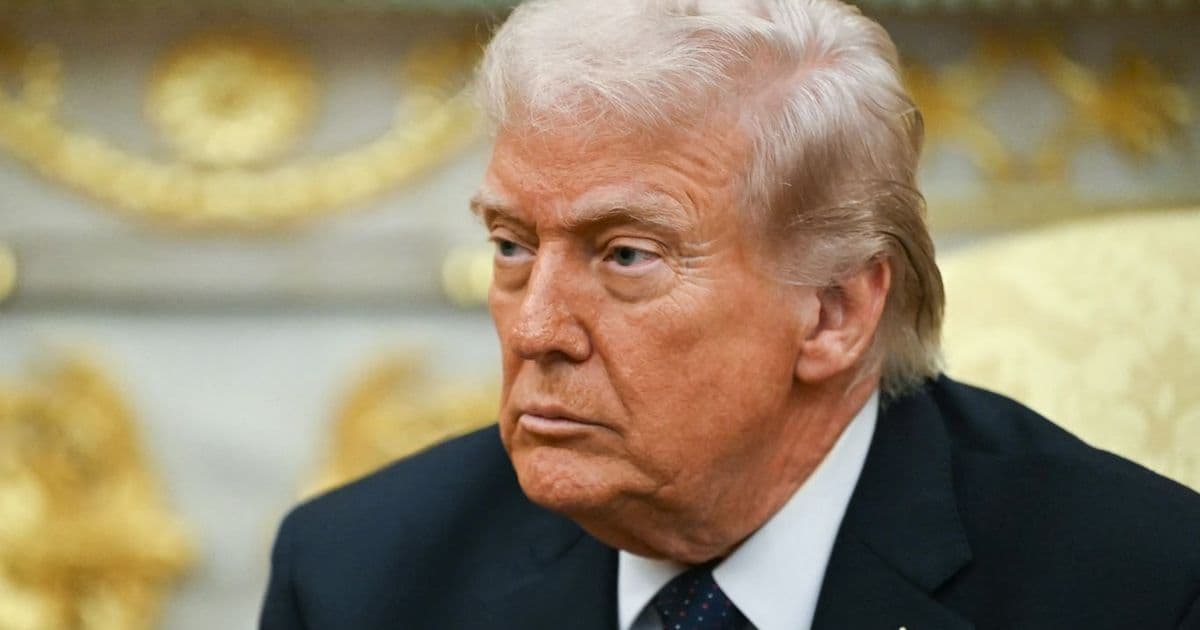
President Trump plans to tap the Strategic Petroleum Reserve to counter oil price spikes caused by the US-Iran conflict, as gas prices surge 45 cents in two weeks.
President Trump announced plans to release oil from the Strategic Petroleum Reserve (SPR) as the ongoing US-Iran conflict drives gas prices to their highest levels in over a year. The move comes as crude oil prices have surged past $85 per barrel, with retail gasoline prices jumping 45 cents per gallon in just two weeks.
The SPR, which holds approximately 350 million barrels of crude oil in underground salt caverns along the Gulf Coast, serves as the nation's emergency oil stockpile. The reserve was last tapped during the 2022 Russia-Ukraine war when prices spiked above $120 per barrel.
Market Impact and Price Projections
The administration's decision follows a 15% increase in oil prices since the conflict began, with West Texas Intermediate crude reaching $86.50 per barrel on Monday. Analysts project that without intervention, gas prices could climb to $4.50 per gallon nationally by summer driving season.
"The SPR release is a necessary tool to prevent economic disruption," said energy analyst Sarah Chen of the Institute for Energy Economics. "However, the scale of release will determine its effectiveness in stabilizing markets."
Strategic Considerations
The timing of the release raises questions about the administration's energy policy. The SPR has been rebuilt to about 70% of its 1 billion barrel capacity after previous drawdowns, but critics argue that tapping it for price management rather than true emergencies could leave the nation vulnerable.
Energy Secretary Jennifer Granholm stated that the administration is "evaluating the appropriate volume" for release, with initial estimates suggesting between 30-60 million barrels could be made available over the coming months.
Global Market Context
The oil price surge reflects broader market concerns about Middle East supply disruptions. Iran produces approximately 3.5 million barrels per day, and while direct production hasn't been significantly impacted yet, traders are pricing in potential supply risks.
OPEC+ countries have maintained their production quotas despite the price increases, with Saudi Arabia and Russia continuing their voluntary production cuts of 1.3 million barrels per day combined.
The SPR release announcement has already tempered some of the price gains, with futures contracts dropping 3% in after-hours trading following the news.
Economic Implications
Higher gas prices typically act as an economic headwind, reducing consumer spending in other sectors. The average American household spends approximately $3,000 annually on gasoline, making fuel prices a significant factor in household budgets.
Transportation costs also impact businesses across supply chains, potentially contributing to inflationary pressures at a time when the Federal Reserve is monitoring price stability closely.
Historical Precedent
This marks the fourth time in two decades that presidents have tapped the SPR for market intervention rather than supply emergencies. Previous releases occurred in 2005 after Hurricane Katrina, 2011 during Libya's civil war, and most recently in 2022.
The effectiveness of SPR releases in controlling prices varies. The 2022 release helped moderate prices but didn't prevent the summer peak, while the 2011 release had minimal lasting impact as supply concerns persisted.
Timeline and Implementation
The Department of Energy indicated that any release would likely begin within 30 days, allowing time for auction processes and logistical coordination. The oil would be sold to eligible refiners through competitive bidding.
Industry experts note that SPR releases typically take several weeks to impact retail prices as the oil must be transported, refined, and distributed through the supply chain.
Political Context
The decision comes amid growing pressure from both parties as midterm elections approach. Rising gas prices historically create political challenges for incumbent administrations, with voters often blaming presidents for fuel costs regardless of their control over global markets.
Republican leaders have called for increased domestic production rather than SPR releases, while Democrats generally support the emergency reserve strategy as a necessary market stabilizer.
The administration maintains that the release is a temporary measure while working to address the underlying supply concerns through diplomatic channels and potential sanctions relief negotiations with Iran's trading partners.
Comments
Please log in or register to join the discussion