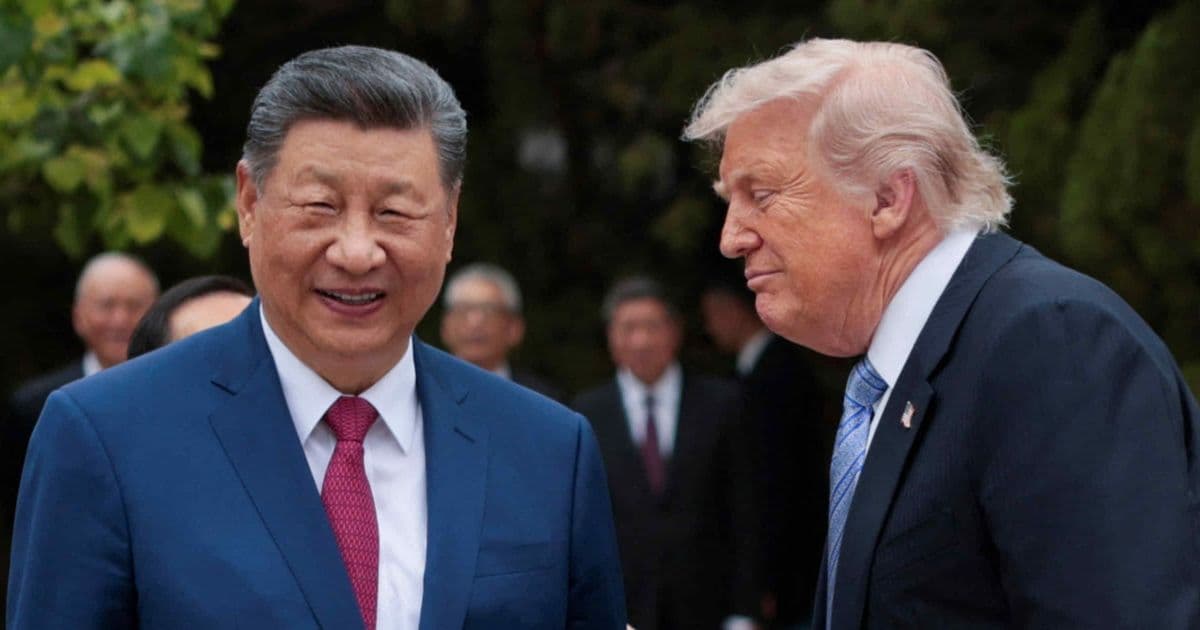
President Donald Trump and President Xi Jinping concluded a two‑day “stability” summit in Beijing, highlighting “a lot of good” and promising “fantastic trade deals.” Analysts note the absence of measurable agreements, while market participants watch for hints on tariffs, technology restrictions and Taiwan policy.
Business news
President Donald Trump and Chinese President Xi Jinping wrapped up a two‑day summit in Beijing on May 15, branding the meeting a success for “stability” and “a lot of good.” Both leaders cited “fantastic trade deals” and a renewed commitment to avoid a clash over Taiwan, yet the joint statement offered no specific figures or timelines. The summit, the first face‑to‑face contact between the two heads of state since 2022, was framed by the White House as a step toward de‑escalation of the tariff war that has shaved roughly 30 % off bilateral trade volumes since 2023.
Market context
- Trade volume impact: U.S. imports from China fell from $560 billion in 2022 to $390 billion in 2024, a 30 % decline driven by tariffs on electronics, automotive parts and rare‑earth minerals. Export growth to China has been even slower, slipping from $150 billion to $108 billion over the same period.
- Tariff landscape: The Trump administration has already secured court rulings that limit the Treasury’s ability to impose ad‑hoc tariffs, reducing the number of active duties from 84 to 27. However, Section 301 tariffs on $370 billion of Chinese goods remain in place, with an average rate of 12.5 %.
- Tech restrictions: The U.S. continues to enforce export controls on advanced AI chips and semiconductor equipment. Nvidia’s recent earnings call warned that “tightening of export licensing could shave 5‑10 % off quarterly revenue” for its data‑center segment.
- Currency moves: The Chinese yuan has appreciated modestly against the dollar since the summit, trading at 7.02 CNY/USD versus 7.15 a week earlier, reflecting modest investor optimism.
What it means
- Tariff outlook remains uncertain – While Trump’s rhetoric suggests a willingness to roll back some duties, the lack of concrete numbers signals that any reduction will be incremental. Companies that rely on Chinese components should continue to hedge against a 5‑10 % cost increase, especially in the automotive and consumer‑electronics sectors.
- Technology export controls stay firm – The presence of Nvidia CEO Jensen Huang in Beijing underscored the importance of AI hardware to both economies. Yet Anthropic’s call for “tough chip controls” aligns with the administration’s current stance, meaning U.S. firms will likely face tighter licensing reviews for AI accelerators destined for China.
- Taiwan remains a flashpoint – Xi’s warning that mishandling the Taiwan issue could lead to a “clash” was one of the few specific policy references. Analysts interpret this as a diplomatic signal that Beijing expects the U.S. to maintain a calibrated approach, avoiding overt support for Taiwanese defense procurement while keeping unofficial channels open.
- Market participants should watch for follow‑up signals – The next 30 days will be critical. The U.S. Treasury is expected to file a notice on potential tariff adjustments by June 10, and the State Department will release a joint statement on “strategic stability” by June 15. Investors in semiconductor stocks (e.g., NVDA, TSM) and logistics firms (e.g., FDX, UPS) should monitor these releases for any shift in the risk premium.
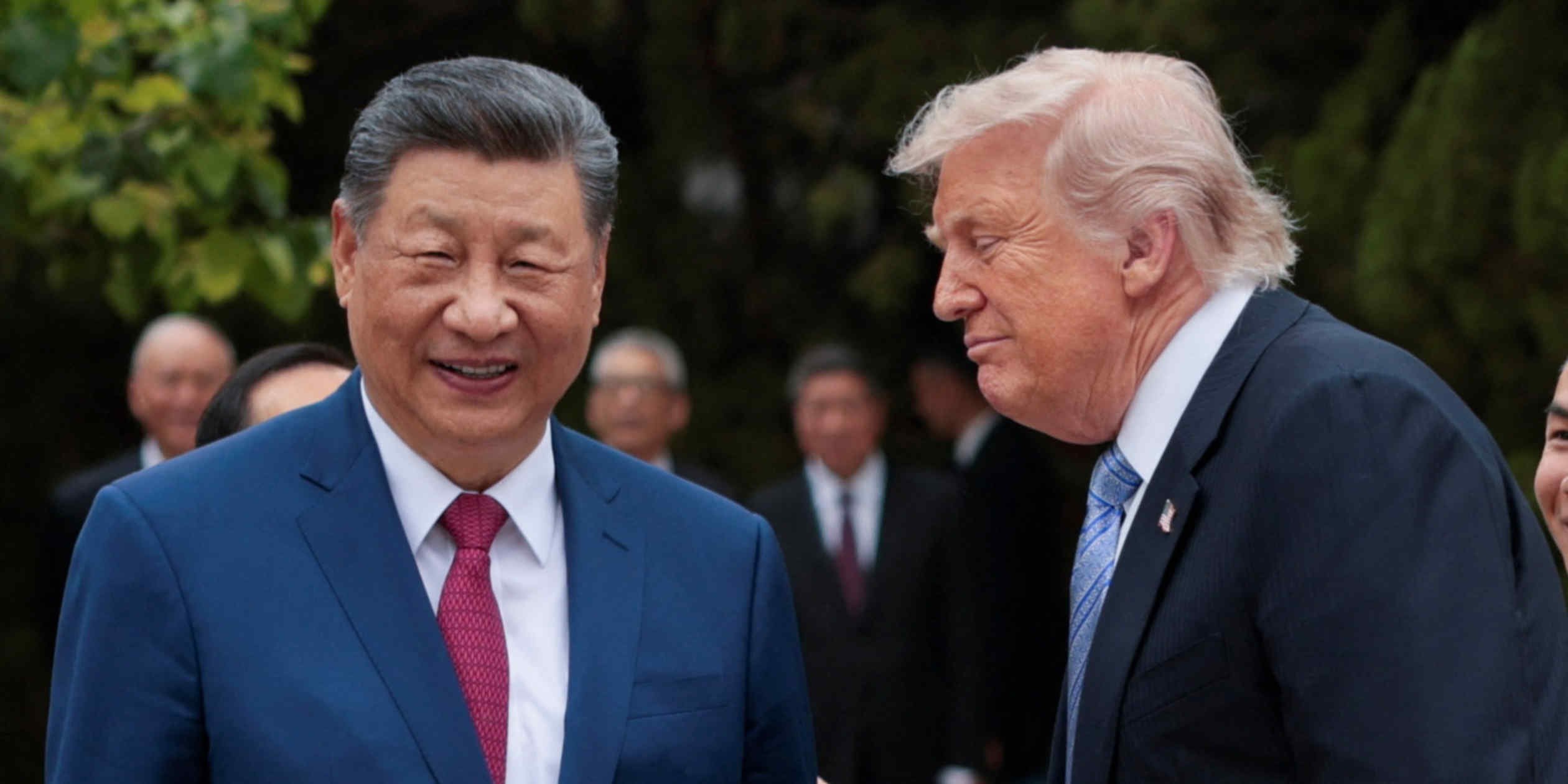
The summit’s backdrop – a garden at Zhongnanhai – symbolized the diplomatic tone, but the real impact will be measured in trade data and licensing statistics over the coming quarters.
Key figures to track
- U.S.–China bilateral trade balance (2022‑2024): $560 bn → $390 bn (imports), $150 bn → $108 bn (exports)
- Active Section 301 tariffs: $370 bn worth of goods, average 12.5 % duty
- Yuan‑dollar rate: 7.15 → 7.02 CNY/USD (post‑summit)
- Nvidia data‑center revenue exposure to China: 5‑10 % of Q2 2026 forecast
Analyst take – The summit delivered political optics rather than measurable policy change. Companies should continue to plan for a “medium‑term” environment of selective tariff relief, sustained tech export controls, and heightened geopolitical sensitivity around Taiwan.
Comments
Please log in or register to join the discussion