The United Arab Emirates is weighing military strikes on Iranian missile facilities as regional tensions escalate, marking a significant potential shift in Middle Eastern conflict dynamics.
The United Arab Emirates is actively considering military strikes against Iranian missile sites, according to sources familiar with the matter, as the Middle East faces its most severe regional escalation in years. This development represents a dramatic potential shift in the conflict dynamics that have long characterized the Persian Gulf region.
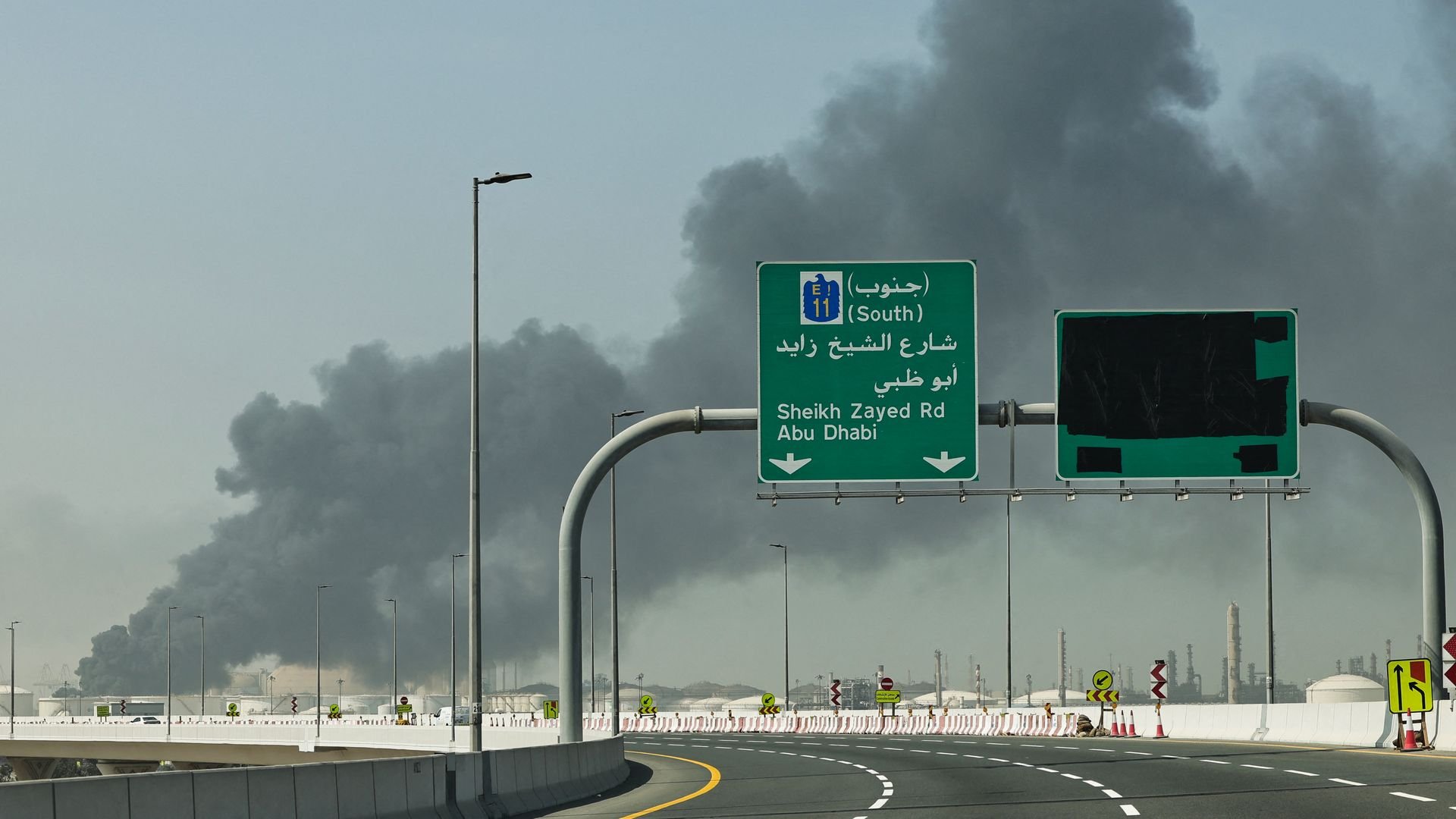
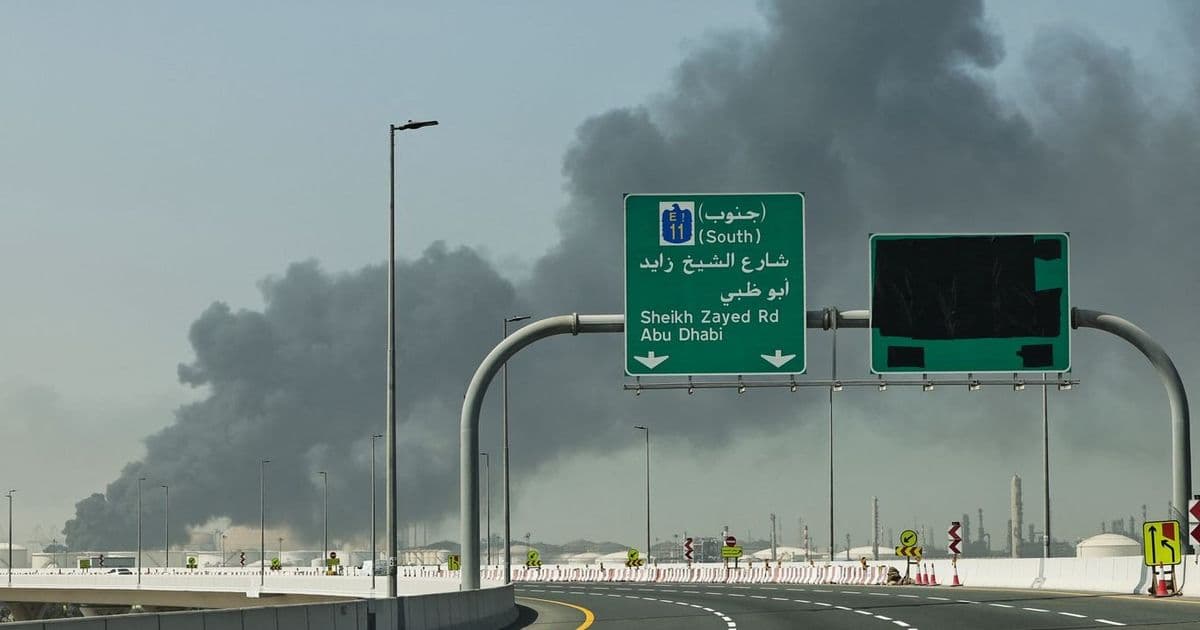
A plume of smoke rises from the port of Jebel Ali in Dubai, highlighting the vulnerability of critical infrastructure in the region. Photo: Fadel Senna/AFP via Getty Images
The consideration of direct military action against Iran marks a significant departure from the UAE's traditional approach of balancing relationships with both Western powers and regional neighbors. For years, the UAE has maintained a careful diplomatic posture, but the current escalation appears to be pushing the country toward more aggressive military options.
Regional Context and Escalation
The potential UAE strikes come amid a broader pattern of increasing hostilities across the Middle East. The region has seen a steady escalation of tensions between various state and non-state actors, with Iran's missile capabilities being a central concern for Gulf states.
Iran's missile program has long been a source of tension with its neighbors and Western powers. The country has developed an extensive arsenal of ballistic missiles capable of reaching targets across the Middle East, including all Gulf Cooperation Council states. These capabilities have been viewed as both a deterrent and a potential first-strike threat by regional adversaries.
Strategic Implications
If the UAE proceeds with strikes on Iranian missile sites, it would represent one of the most direct military confrontations between Gulf states and Iran in recent history. Such action could trigger a wider regional conflict with unpredictable consequences for global energy markets, shipping routes, and international security.
The timing of this consideration is particularly significant given the current global energy landscape. The Middle East remains a critical source of oil and natural gas for the global economy, and any major military confrontation could disrupt supply chains and drive energy prices higher.
International Response
Western powers, particularly the United States, have historically sought to prevent direct military confrontations between Gulf states and Iran. The U.S. maintains significant military presence in the region and has security agreements with many Gulf states, including the UAE.
However, the current administration's approach to the region appears to be evolving. The consideration of strikes against Iranian targets suggests that Gulf states may be feeling emboldened to take more independent military action, potentially reflecting a shift in their assessment of American commitment to regional security.
Economic Considerations
The UAE's economy, particularly Dubai's status as a global business hub, could face significant risks from military escalation. The country has invested heavily in positioning itself as a stable, business-friendly environment in a volatile region. Military conflict with Iran could undermine these efforts and impact foreign investment.
However, the perceived threat from Iranian missiles may be outweighing these economic concerns. The UAE's leadership appears to be calculating that the long-term security risks of Iranian missile capabilities pose a greater threat to the country's stability and prosperity than the potential economic fallout from military action.
Regional Security Architecture
This development also raises questions about the future of regional security arrangements. The Abraham Accords, which normalized relations between Israel and several Arab states including the UAE, were partly motivated by shared concerns about Iran. Military action against Iranian targets could further align Gulf states with Israel while potentially straining relationships with other regional powers.
Military Capabilities
The UAE possesses sophisticated military capabilities, including advanced fighter aircraft and precision-guided munitions acquired from Western suppliers. This military hardware gives the country the technical ability to conduct strikes against Iranian targets, though the operational challenges of such missions would be significant given Iran's air defense systems and the distances involved.
Diplomatic Fallout
Any military action against Iran would likely face international condemnation and could lead to economic retaliation. Iran has demonstrated in the past its willingness to target economic infrastructure, as seen in the 2019 attacks on Saudi oil facilities. The UAE would need to prepare for potential Iranian responses targeting its critical infrastructure, including oil facilities, desalination plants, and the massive Jebel Ali port.
Looking Ahead
The consideration of strikes against Iranian missile sites represents a critical juncture for Middle Eastern security. Whether the UAE ultimately decides to proceed with such action or opts for alternative approaches, the fact that military strikes are being seriously considered signals a new phase in regional dynamics.
The coming weeks will be crucial in determining whether diplomatic efforts can de-escalate tensions or whether the region is headed toward a more direct military confrontation. The international community will be watching closely, as the outcome could have far-reaching implications for global security and economic stability.
The situation remains fluid, with multiple factors influencing the decision-making process in Abu Dhabi. The UAE's ultimate choice will likely depend on a complex calculation of security needs, economic risks, international pressure, and the evolving regional threat landscape.
Comments
Please log in or register to join the discussion