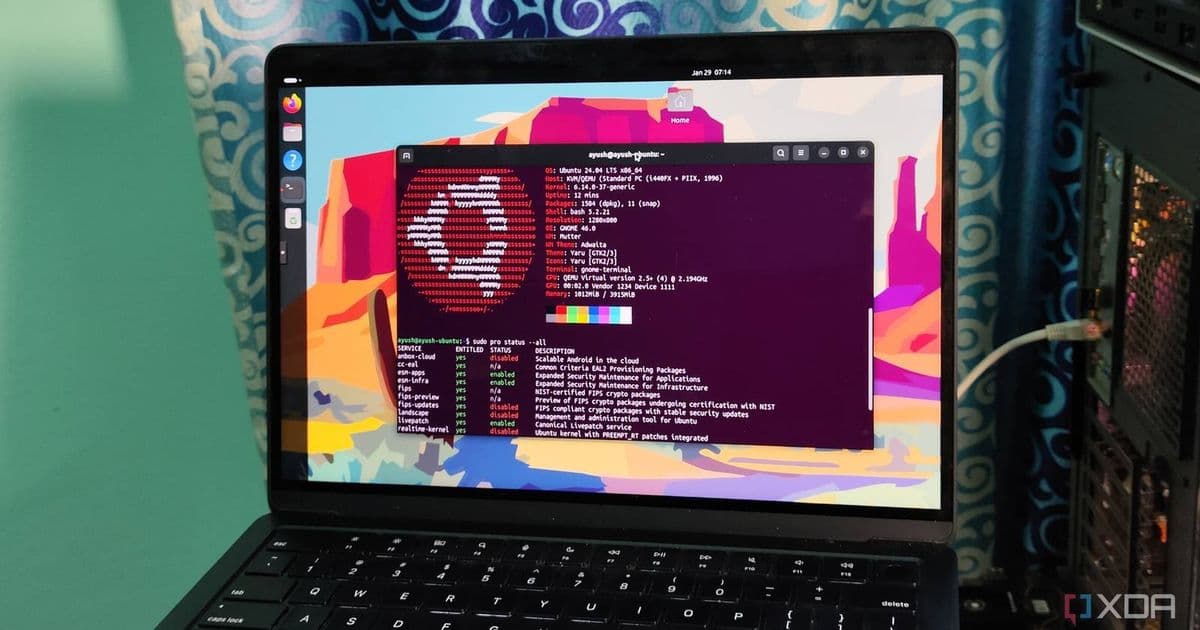
Ubuntu 26.04 will implement a hard cutoff for cgroup v1, refusing to upgrade systems that still use older container runtimes. Developers must migrate to cgroup v2 before the April 23 release to avoid disruption.
Ubuntu 26.04, scheduled for release on April 23, 2026, will introduce a significant breaking change that will prevent systems using cgroup v1 from upgrading. This abrupt transition affects container runtimes and applications that depend on the older cgroup implementation, leaving developers with a hard deadline to migrate their environments before the upgrade.
Understanding the cgroup Transition
Control groups (cgroups) are a Linux kernel feature that allows limiting, accounting, and isolating resource usage (CPU, memory, I/O, etc.) for processes. Ubuntu's move to cgroup v2 represents a consolidation and simplification of what was previously a more complex hierarchy in v1.
The most significant difference between versions is that cgroup v2 uses a unified hierarchy, eliminating the multiple hierarchies that existed in v1. This unified approach provides better performance, reduced complexity, and improved security. However, it also means that older container runtimes designed specifically for cgroup v1 will not function on systems running cgroup v2.
Developer Impact Assessment
For developers managing Ubuntu systems with containers, the impact is immediate and potentially disruptive. Ubuntu 26.04 will refuse to complete the upgrade process if the system detects any cgroup v1 usage in container runtimes. This isn't a gradual deprecation but a hard cutoff that will leave systems stuck on 24.04 LTS if not addressed beforehand.
The container runtimes most affected include:
- Docker versions prior to 20.10
- Older versions of containerd
- Podman with legacy configurations
- Any custom container solutions built around cgroup v1 assumptions
Migration Requirements and Timeline
Developers have a critical window to migrate their container environments. The upgrade blocking mechanism will be active starting Thursday, April 23, when Ubuntu 26.04 becomes available. Systems with cgroup v1 containers will encounter the upgrade block and be unable to proceed until the issue is resolved.
The migration process involves several key steps:
Audit current container runtime: Identify which version of your container runtime you're using and whether it supports cgroup v2.
Upgrade container runtime: For Docker, this means upgrading to Docker 20.10 or later. For containerd, ensure you're using version 1.4.0 or newer.
Reconfigure container settings: Some container configurations may need adjustments to work properly with cgroup v2. This includes resource limits and security settings.
Test container functionality: After migration, thoroughly test all containers to ensure they function correctly with the new cgroup implementation.
Update container images: Some base images may have been built specifically for cgroup v1 and may need updates or replacement.
Technical Considerations for Cross-Platform Development
For developers working across multiple platforms, this change introduces additional complexity. While Ubuntu is making this transition, other distributions may have different timelines or approaches:
- Red Hat/Fedora: Already completed their transition to cgroup v2
- Debian: Following a similar path but with a more gradual approach
- Windows Subsystem for Linux (WSL): Has its own implementation considerations
Cross-platform development teams will need to ensure their container configurations work across these different environments. This may involve creating separate configurations or implementing detection logic to handle platform-specific cgroup implementations.
Best Practices for the Transition
To minimize disruption during the migration:
Start testing early: Begin testing in a staging environment well before the upgrade deadline.
Document configurations: Keep detailed records of your container configurations before and after migration.
Plan rollback procedures: Have a clear plan to revert to working configurations if issues arise.
Consider virtualization: For critical workloads, consider running containers in a virtual machine with a different cgroup implementation if compatibility issues prove challenging.
Monitor resource usage: After migration, closely monitor container resource usage as accounting methods may have changed.
Official Resources and Documentation
Canonical has provided documentation on the cgroup v1 deprecation in the Ubuntu 26.04 release notes. For container runtime-specific migration guidance:
The abrupt nature of this transition highlights the importance of staying current with platform requirements, especially for containerized applications. While the change ultimately improves the Linux container ecosystem, developers treating it as a simple compatibility update rather than a significant migration risk encountering unexpected upgrade failures.
Comments
Please log in or register to join the discussion