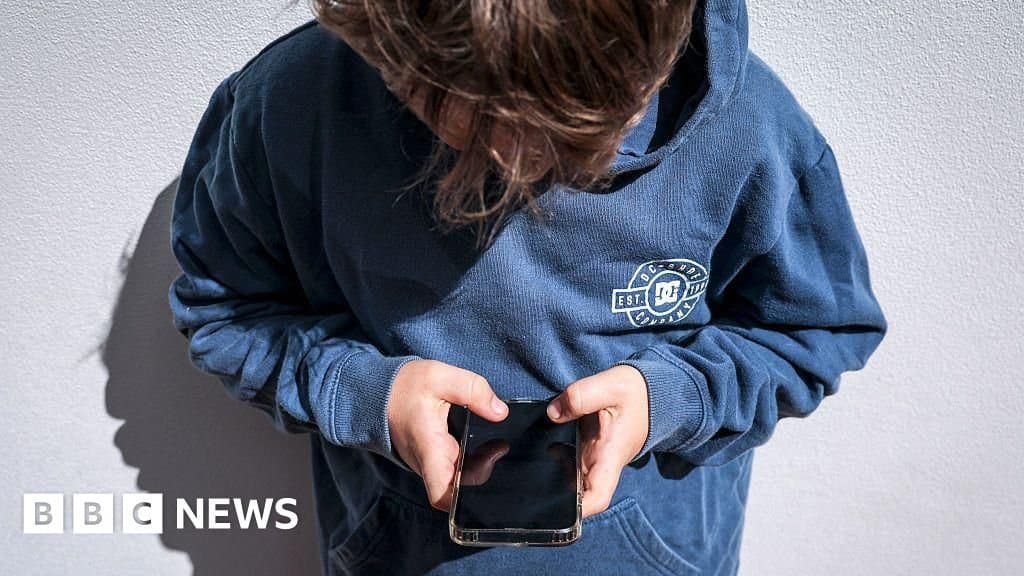
The UK's ICO and Ofcom are demanding social media companies implement robust age checks to prevent under-13s from accessing platforms, mirroring requirements for adult content sites.
The UK's data protection watchdog and communications regulator are taking a hard line on child safety online, demanding that social media platforms implement "highly effective age checks" to prevent children under 13 from accessing their services. The Information Commissioner's Office (ICO) and Ofcom have jointly called for measures similar to those required for adult websites, marking a significant escalation in the UK's approach to online child protection.
The regulators' stance comes amid growing concerns about the impact of social media on young users' mental health and wellbeing. Under current UK law, children under 13 are not permitted to create accounts on most major social platforms, but enforcement has been notoriously difficult. The new push would require platforms to verify users' ages before granting access, potentially through government ID checks, biometric verification, or other robust methods.
This regulatory pressure represents a major shift in how the UK approaches online safety. Rather than relying on self-regulation or voluntary measures from tech companies, the ICO and Ofcom are now demanding concrete technical solutions. The comparison to adult content verification is particularly telling - it suggests the regulators view unrestricted access to social media for young children as similarly problematic to exposure to adult material.
However, the proposal faces significant practical challenges. Age verification technology remains imperfect, and there are legitimate privacy concerns about collecting sensitive personal data from users. Critics argue that such measures could drive younger users to less regulated platforms or push them to use fake IDs. There are also questions about how platforms would handle the data collected for age verification and whether this would create new privacy risks.
The timing is notable, coming as other countries grapple with similar issues. The European Union's Digital Services Act includes provisions for protecting minors online, while US states like Utah and Arkansas have passed laws requiring parental consent for social media use by minors. The UK's approach appears to be among the most aggressive globally, potentially setting a precedent for other regulators.
For social media companies, this represents a significant compliance challenge. Implementing robust age verification at scale would require substantial technical investment and could impact user growth metrics. Some platforms may push back against what they see as overly restrictive measures, while others might view it as an opportunity to differentiate themselves on safety features.
The debate touches on fundamental questions about digital rights and responsibilities. At what age should individuals be able to participate in online communities? How do we balance child protection with privacy rights and the benefits of digital connectivity? The UK's regulators are essentially arguing that the current system, which relies heavily on self-declaration of age, is inadequate.
Industry responses have been mixed. Some child safety advocates have welcomed the move as long overdue, while digital rights groups have expressed concern about the privacy implications and potential for creating digital identity systems. Tech companies have largely remained quiet publicly, though behind the scenes there are likely to be intense negotiations about what constitutes "highly effective" verification.
The implementation timeline remains unclear, but the joint statement from ICO and Ofcom suggests this is a priority for both regulators. Companies that fail to comply could face significant fines under UK data protection law, which allows penalties of up to 4% of global turnover.
What makes this particularly interesting is the comparison to adult content verification. This framing suggests the regulators view unrestricted social media access for young children as carrying similar risks to exposure to adult material. It's a provocative stance that could reshape how we think about age-appropriate online experiences.
The broader context includes growing evidence about the negative impacts of social media on adolescent mental health, concerns about online grooming and exploitation, and the challenge of creating age-appropriate digital spaces. The UK's approach represents one possible solution, though whether it will prove effective remains to be seen.
For parents, this could mean greater peace of mind about their children's online activities, though it also raises questions about digital literacy and the role of parental supervision versus technical controls. For young users, it could mean delayed access to platforms where many of their peers are already active.
The success of such measures will likely depend on the specific technical solutions adopted and how they balance security, privacy, and usability. If implemented poorly, they could create new problems while failing to solve the underlying issues. If done well, they could provide a model for other countries grappling with similar challenges.
As this develops, it will be worth watching how other jurisdictions respond and whether the UK's aggressive stance influences global approaches to online child protection. The tension between open access to digital services and protecting vulnerable users remains one of the central challenges of our connected age.
Comments
Please log in or register to join the discussion