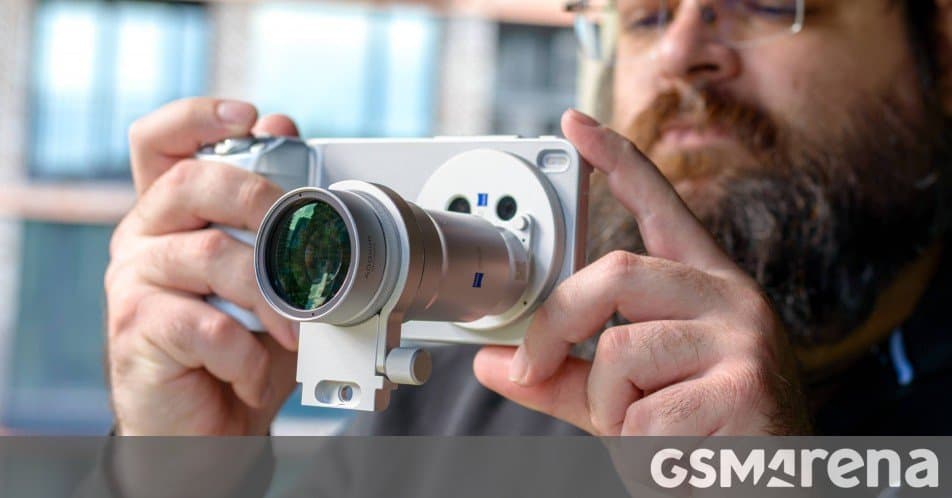
vivo's unique approach to smartphone photography extends beyond the X300 Ultra's impressive hardware with a modular photography kit featuring 200mm and 400mm teleconverter lenses that transform the device into a versatile imaging powerhouse.
The vivo X300 Ultra has arrived with much fanfare, but what truly sets it apart from competitors like the Xiaomi 17 Ultra is its innovative approach to telephoto photography. Rather than cramming multiple telephoto cameras into the device itself, vivo has taken a modular route with its Photography Kit, featuring teleconverter lenses that extend the reach of the phone's 85mm f/2.7 primary telephoto lens to an impressive 400mm equivalent.
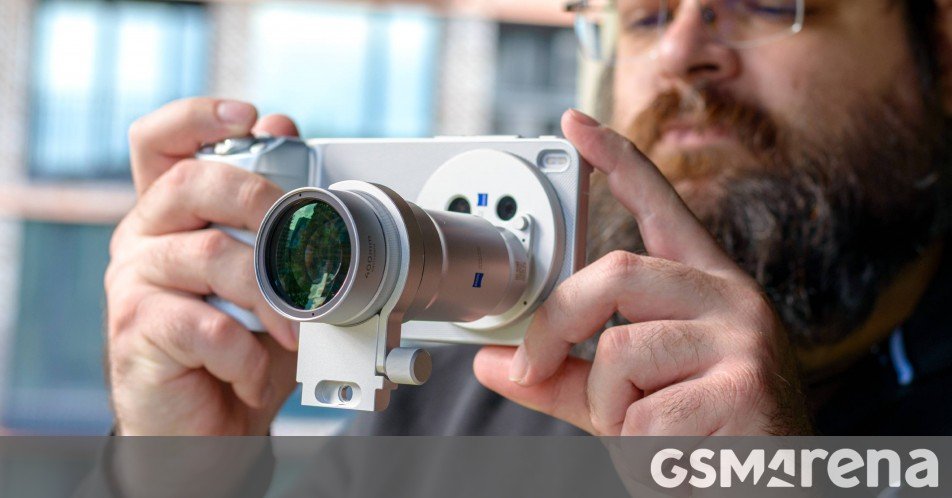
The Philosophy Behind Teleconverters
Unlike traditional camera lenses that contain focusing mechanisms and variable apertures, these teleconverters work by magnifying the dedicated lens they mount over. This design choice allows vivo to create significantly smaller and lighter accessories while maintaining image quality. The teleconverters don't interfere with the built-in lens's optical performance, which is a clever engineering solution that addresses the physical limitations of smartphone camera modules.
Unboxing the Complete Kit
The photography kit arrives as a comprehensive package that includes:
- A protective case with bayonet mount for filters
- UV/ND/circular polarizer filter adapter
- Two teleconverter lenses (200mm and 400mm)
- Camera grip with enhanced controls
- Multiple mounting accessories
One notable omission compared to competitors is the lack of a lens cap. However, the two lenses come with two-piece tripod collars - one that attaches to the front barrel and locks tight, and another Arca-Swiss tripod mounting plate that screws onto the collar. While mounting on the lens barrel might not be the ideal balancing point given the phone's weight with the case and grip, the setup feels sturdy and secure when properly assembled.
Enhanced Camera Grip Controls
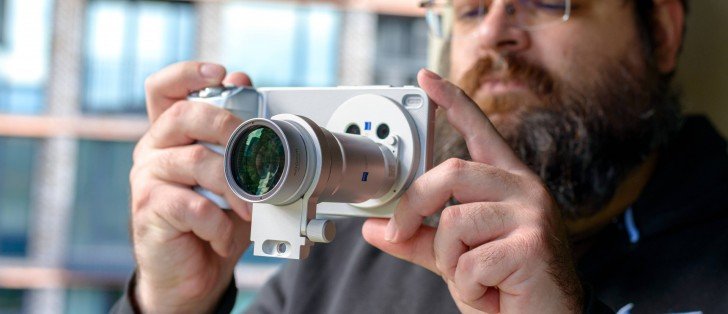
The new camera grip represents a significant upgrade over its predecessor. Beyond the standard video record button, scroll wheel, zoom lever, and shutter button, it now includes an additional function button and a flash button. This expanded control scheme gives photographers more tactile options for capturing shots without relying solely on the touchscreen interface.
Size and Weight Considerations
A comparison between the new and old 200mm lenses reveals vivo's commitment to portability. The new 2.35x G2 200mm lens is considerably more compact than its predecessor, likely due to the reduction in aperture from f/2.3 to f/2.7 on the X300 Ultra's 85mm zoom camera. This size reduction is immediately noticeable when using the kit - the 200mm setup feels balanced and manageable.
However, the 400mm lens tells a different story. It's substantially larger and heavier, creating a noticeable pull on the phone setup. This isn't a casual carry accessory; it's more of a dedicated setup you'd bring along specifically for photography sessions rather than everyday use.
User Experience and Operation
Using the teleconverter lenses is refreshingly straightforward. Gone are the days of navigating through menus to select specific modes. Now, you simply tap the teleconverter icon in the camera viewfinder, and the phone prompts you to identify which lens you're using - the old 200mm, new 200mm, or 400mm. A single tap and everything works seamlessly, with no upside-down viewfinders or complicated setup procedures.
The zoom capabilities are impressive:
- 200mm lens: Offers 400mm, 800mm, and 1,600mm digital zoom options
- 400mm lens: Extends to 800mm, 1,600mm, and even 3,200mm
This digital extension capability means you're getting substantial reach without carrying massive glass, though image quality will naturally degrade at the extreme ends of the zoom range.
Real-World Implications
This modular approach to smartphone photography represents a significant departure from the industry norm. While competitors focus on increasing the number of cameras within the phone itself, vivo's solution offers several advantages:
- Flexibility: Users can choose when to carry the additional weight and bulk
- Cost-effectiveness: The base phone remains more affordable without built-in telephoto hardware
- Future-proofing: New teleconverter models can be developed without replacing the entire phone
- Image quality: By using the phone's primary telephoto as the base, optical quality is maintained
However, there are trade-offs. The setup is less convenient for spontaneous photography, and the 400mm lens is substantial enough that it may deter casual users. Additionally, the lack of a lens cap could be concerning for users who frequently transport their equipment.
Looking Ahead
As we continue testing the vivo X300 Ultra and its photography kit, we'll be evaluating real-world image quality across different lighting conditions and subjects. The true test will be whether these teleconverters can deliver competitive results against traditional multi-camera smartphone setups, particularly in challenging conditions like low light or fast-moving subjects.
The photography kit represents vivo's commitment to pushing the boundaries of what's possible with smartphone photography. By thinking outside the traditional multi-camera paradigm, they've created a system that offers impressive versatility while maintaining the core advantage of smartphones: portability. Whether this approach gains widespread adoption remains to be seen, but it certainly provides an intriguing alternative in the ongoing smartphone camera arms race.
Comments
Please log in or register to join the discussion