
The average price of gasoline in the US has reached $4 per gallon for the first time in over two years, driven by escalating tensions in the Middle East following Iran's missile attack on Israel.
The average price of gasoline in the United States has reached $4 per gallon for the first time in over two years, according to the latest data from AAA. The national average climbed to $4.003 on Tuesday, marking a significant increase from $3.50 just a month ago and representing the highest level since November 2023.
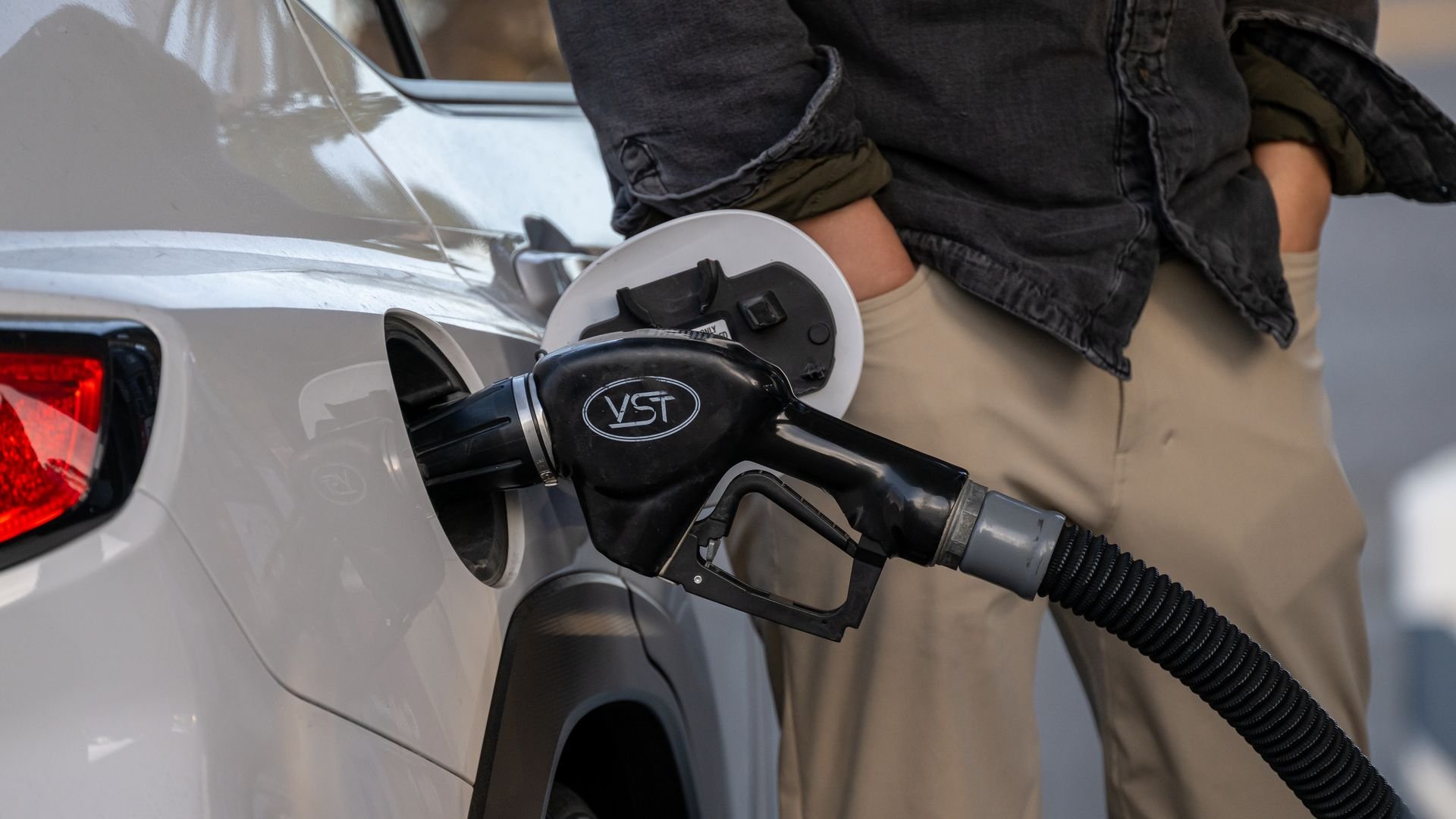
This sharp rise in fuel costs comes amid escalating tensions in the Middle East following Iran's missile attack on Israel last week. The geopolitical instability has sent crude oil prices surging, with West Texas Intermediate crude futures climbing above $85 per barrel for the first time since October 2023.
The impact of higher gas prices is being felt unevenly across the country. California continues to lead with the highest average price at $5.75 per gallon, while states like Texas and Oklahoma remain below the national average at around $3.65. The disparity reflects differences in state gas taxes, environmental regulations, and proximity to refining centers.
Energy analysts attribute the price spike to several factors beyond the Middle East conflict. Seasonal demand typically increases as Americans prepare for summer road trips, while several refineries are undergoing maintenance during the shoulder season between winter and summer fuel blends. Additionally, OPEC+ production cuts implemented last year continue to constrain global oil supply.
For consumers, the $4 threshold represents more than just a psychological barrier. At this price point, the average American household can expect to spend approximately $250 more per month on gasoline compared to when prices were at $3 per gallon. This additional expense comes at a time when many households are already grappling with persistent inflation in other categories.
The trucking and transportation industries are particularly vulnerable to fuel price increases. With diesel prices averaging $4.35 per gallon nationally, logistics companies are facing margin pressure that could translate into higher prices for consumer goods. Some shipping companies have already announced fuel surcharges to offset the increased costs.
From a market perspective, the energy sector has emerged as one of the strongest performers in 2026. Major oil companies including ExxonMobil, Chevron, and ConocoPhillips have seen their stock prices rise between 15% and 25% year-to-date, outpacing the broader S&P 500 index.
Government response to the price surge has been measured so far. The Biden administration has stated it is monitoring the situation closely but has not indicated plans for immediate intervention such as releasing oil from the Strategic Petroleum Reserve. Energy Secretary Jennifer Granholm emphasized that market forces should be allowed to work while the administration explores longer-term solutions to energy security.
Looking ahead, analysts are divided on whether prices will continue climbing or begin to moderate. Some predict that if the Middle East tensions ease, prices could retreat to the $3.75 range by late spring. Others warn that if the conflict escalates or if hurricane season disrupts Gulf Coast refineries, prices could easily surpass $4.25 nationally.
The $4 per gallon milestone serves as a reminder of the complex interplay between global geopolitics, energy markets, and everyday consumer costs. As the situation in the Middle East continues to evolve, American drivers will be watching pump prices closely, knowing that international events thousands of miles away can have an immediate impact on their household budgets.
Comments
Please log in or register to join the discussion