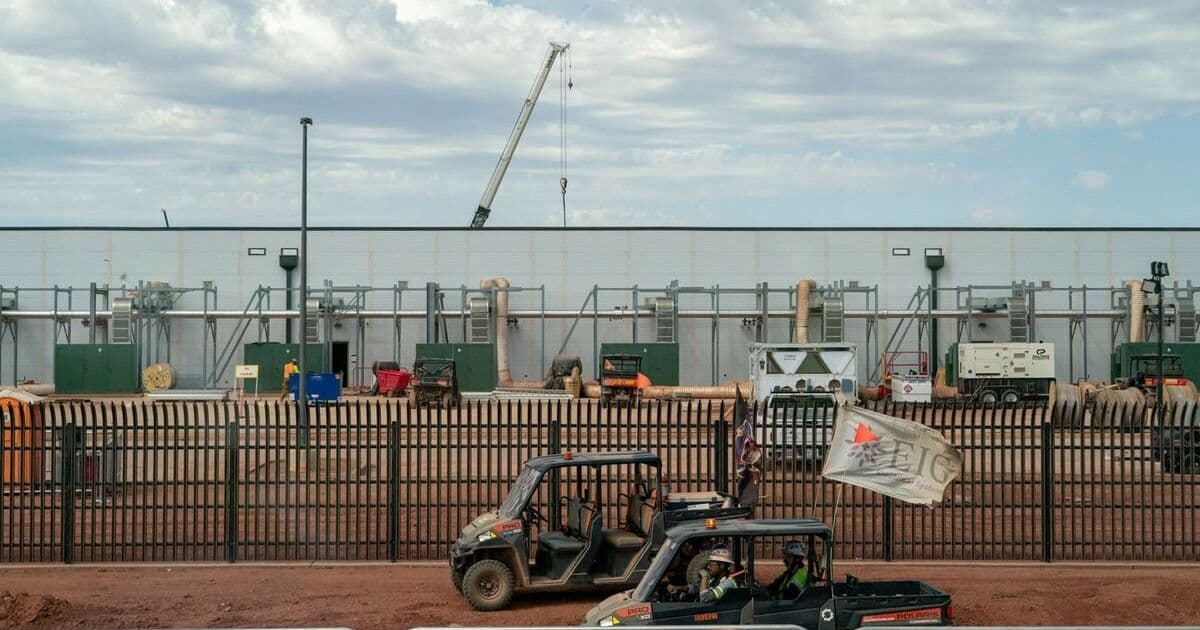
A critical shortage of electrical transformers and switchgear in the United States is forcing data center developers to source equipment from China, significantly delaying construction timelines and raising concerns about supply chain vulnerabilities.
US Data Center Expansion Hampered by Electrical Equipment Shortage, Increasing Reliance on Chinese Imports
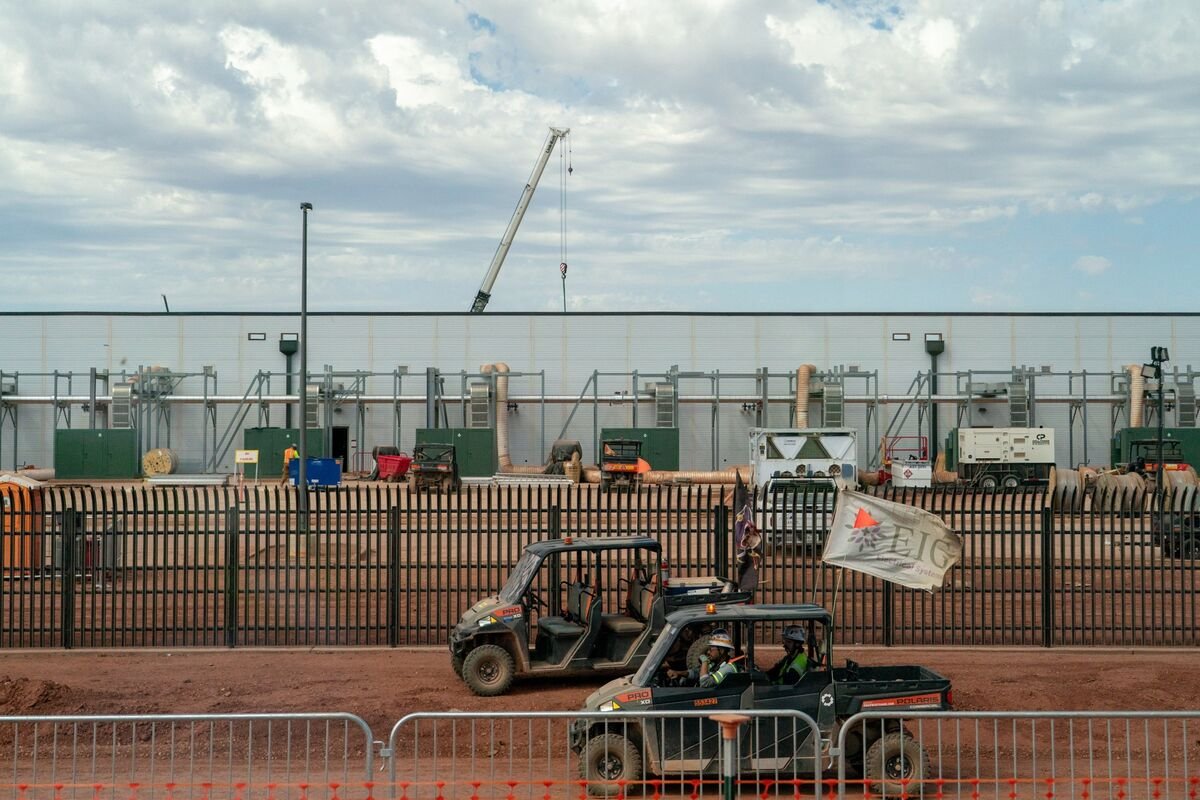
The United States is facing an increasingly critical shortage of electrical equipment essential for data center construction, forcing developers to turn to Chinese imports and significantly delaying infrastructure projects across the country. According to recent reporting, transformers and switchgear—components necessary for power distribution in large-scale data facilities—are in short supply domestically, creating bottlenecks in the nation's race to expand AI and cloud computing infrastructure.
The Scope of the Shortage
Electrical transformers, which adjust voltage levels to meet data center power requirements, and switchgear, which controls and protects electrical circuits, are fundamental components of any large-scale data facility. The current shortage extends across multiple manufacturers and specifications, with lead times for critical components stretching from the typical 6-12 months to as long as 18-24 months in some cases.
"We're seeing unprecedented demand for power infrastructure components," said one anonymous executive at a major cloud provider who requested confidentiality due to the sensitivity of the issue. "Domestic manufacturers simply can't keep pace with the scale of deployment we're planning for the next 18 months."
Why the Shortage Exists
Several factors have converged to create this critical shortage:
Manufacturing Capacity Constraints: US manufacturers of electrical equipment have limited production capacity, with many facilities operating at maximum output. The specialized nature of these components requires significant expertise and cannot be easily scaled.
Supply Chain Disruptions: Ongoing supply chain issues affecting copper, aluminum, and other critical materials have compounded production challenges. These materials are essential for manufacturing transformers and switchgear.
Skilled Labor Shortages: A shortage of skilled electrical engineers and technicians has hampered both production and installation capabilities.
Increased Demand: The exponential growth in AI workloads and cloud services has created unprecedented demand for data centers, with major providers like Amazon Web Services, Microsoft Azure, and Google Cloud all significantly expanding their footprints.
The Chinese Import Solution
Facing delays of 12-18 months for domestically sourced equipment, many data center developers have turned to Chinese manufacturers as an alternative. Companies like TBEA, Xian XD High Voltage Apparatus, and Shanghai Electric have become critical suppliers, with lead times as short as 3-4 months for their products.
"We had no choice but to source from China to meet our deployment timelines," explained another infrastructure executive. "The alternative was to delay our AI expansion by over a year, which wasn't commercially viable."
However, this shift comes with significant challenges:
- Quality Control Concerns: Some industry professionals report inconsistencies in quality between US and Chinese-manufactured equipment
- Logistical Complexities: Shipping delays and customs clearance can add weeks to the timeline
- Technical Compatibility: Integration with existing US electrical infrastructure sometimes requires modifications
- Regulatory Hurdles: Compliance with US electrical safety standards adds complexity to the import process
Impact on Data Center Timelines
The equipment shortage has had a measurable impact on data center construction schedules:
- Major cloud providers have reported delays of 6-12 months for new facility deployments
- AI-specific data centers, which require even more robust electrical infrastructure, are experiencing the most significant delays
- Some projects have been scaled back to accommodate available equipment
- Secondary markets for used electrical equipment have emerged, with prices for used transformers increasing by 30-40% in some cases
"The electrical infrastructure is often the most overlooked component in data center planning," said Sarah Jenkins, an infrastructure analyst at TechInsights. "Companies focus on servers and networking, but without proper power distribution, the facility can't operate. This shortage is forcing a fundamental reassessment of how we approach data center development."
Industry Responses
Several approaches are being taken to address the shortage:
Domestic Manufacturing Expansion: Companies like Eaton, Schneider Electric, and Siemens are investing in new manufacturing facilities, though these won't address immediate shortages.
Alternative Technologies: Some developers are exploring alternative power distribution solutions, including medium-voltage direct current (MVDC) systems that require fewer transformers.
Modular Design: Modular data center designs that can be expanded incrementally are gaining popularity as they allow for more flexible equipment deployment.
Strategic Stockpiling: Major providers are building inventories of critical components to buffer against future shortages.
Broader Implications
The electrical equipment shortage has several broader implications:
- AI Development Delays: The expansion of AI infrastructure is directly impacted, potentially slowing the deployment of next-generation models
- Energy Efficiency Concerns: Rushed deployments may lead to less energy-efficient designs
- Geopolitical Considerations: Increased reliance on Chinese components raises national security concerns
- Cost Increases: The shortage has contributed to rising data center deployment costs, with some projects seeing 15-20% budget increases
The Path Forward
Addressing this shortage will require a multi-faceted approach:
- Policy Intervention: Some industry groups are calling for federal support to expand domestic manufacturing capacity
- Industry Collaboration: Standards development and shared infrastructure planning could optimize resource use
- Technology Innovation: New approaches to power distribution and cooling could reduce equipment requirements
- Long-term Planning: Better forecasting and earlier equipment ordering can help mitigate future shortages
"This is a temporary problem that requires both immediate solutions and long-term strategic planning," noted Michael Chen, infrastructure director at a major hyperscale provider. "We need to balance our immediate deployment needs with building a more resilient domestic supply chain for the future."
As the demand for AI and cloud computing continues to grow, the electrical equipment shortage serves as a reminder that physical infrastructure remains a critical constraint in the digital economy. The solutions developed in response to this challenge may well shape the future of data center design and deployment for years to come.
Comments
Please log in or register to join the discussion