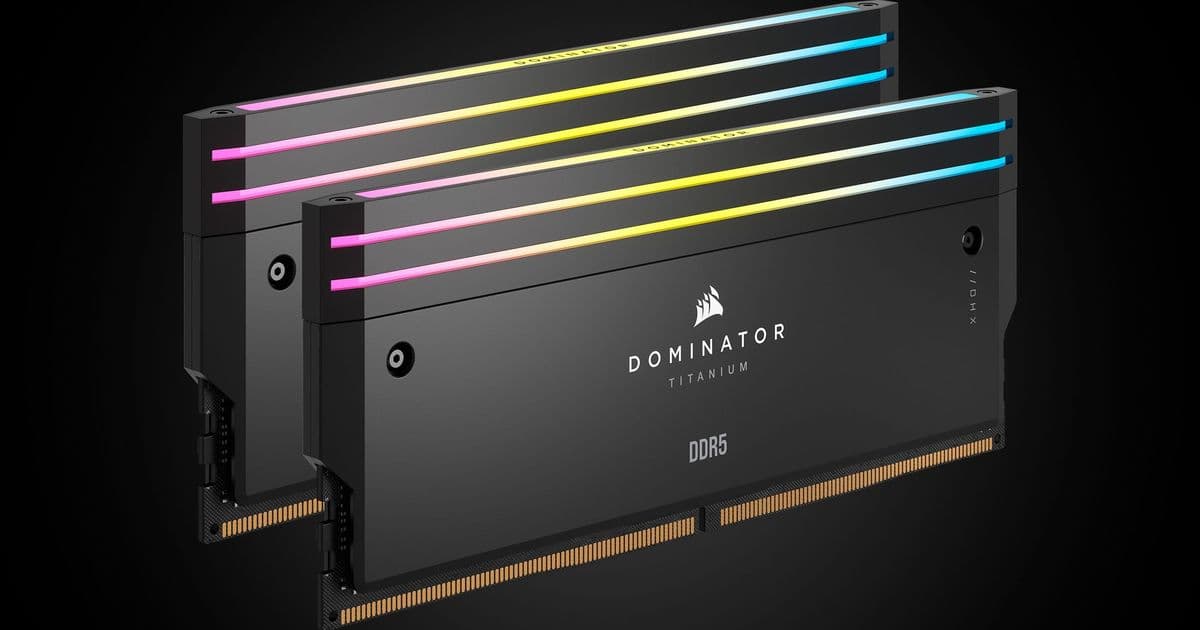
32GB DDR5 memory kits now start at $359.99 as AI data centers consume global supply, with scalpers using AI bots to resell at 10x normal prices.
The US RAM market has reached a critical juncture as AI-driven demand continues to decimate affordable DDR5 memory availability. What was once a competitive landscape with multiple options under $300 has transformed into a scarcity-driven market where 32GB (2x16GB) DDR5 kits now command a baseline price of $359.99 at major retailers.
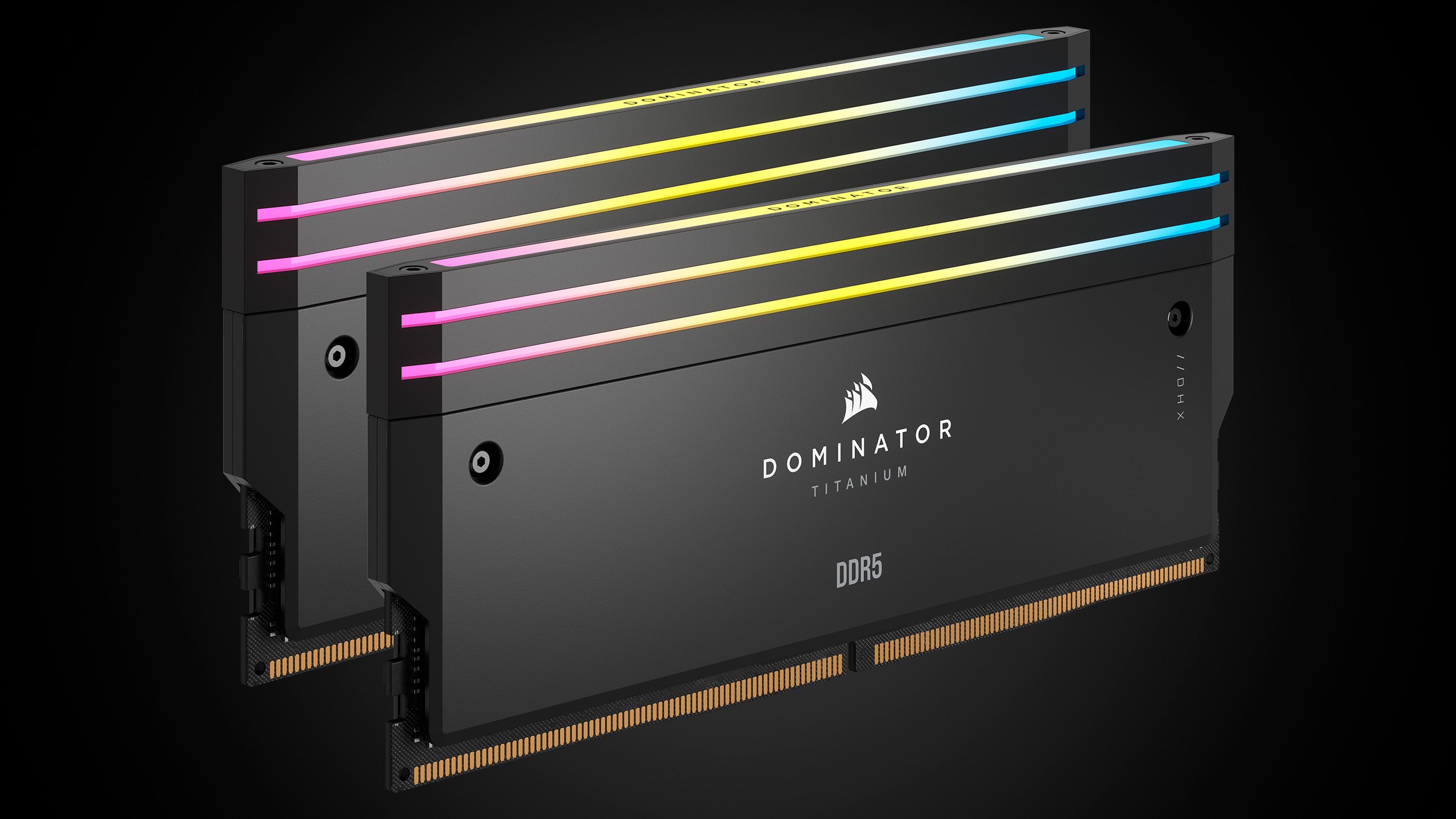
This dramatic price escalation represents more than just normal market fluctuations. The memory shortage has intensified to the point where even mid-range kits vanish from shelves within seconds of listing, creating a feeding frenzy among consumers desperate to secure components for their systems.
The New Price Reality
At the $359.99 price point, consumers face limited but capable options. The current market offers:
- Silicon Power XPower Storm DDR5-6000 C36
- Crucial Pro DDR5-6400 C38
- Corsair Vengeance DDR5-6000 C36
These kits, while delivering solid performance specifications, represent a significant premium over recent pricing. Just months ago, the Silicon Power and Crucial kits retailed for $325.97 and $292.99 respectively. The situation becomes even more stark when examining year-over-year data: in November 2025, these same kits were available for $269.99, $272.99, and $280.99.
AI Data Centers: The Supply Vacuum
The root cause extends beyond typical market dynamics. AI data centers are consuming memory and storage resources at an unprecedented scale, creating a supply vacuum that affects consumer markets. Industry analysts project memory makers will generate $551 billion from the AI boom, fundamentally reshaping supply chain priorities.
This shift has forced companies like Samsung and SK hynix to shorten memory contracts as pricing power swings decisively back to suppliers. The automotive industry has already felt the impact, with chip scarcity creating production bottlenecks amid the worsening Nexperia and DRAM crisis.
Scalpers Weaponize AI
In a particularly ironic twist, scalpers have turned to artificial intelligence to exploit the very shortage they're profiting from. DRAM bots powered by AI algorithms now monitor retailer websites, automatically purchasing DDR5 kits the moment they become available.
These automated systems operate at speeds impossible for human shoppers to match, creating an additional layer of artificial scarcity. The results are visible across major marketplaces:
- G.Skill Aegis DDR5-6000 C36: Listed at $1,236.75 (normally under $120)
- Patriot Viper Xtreme 5 RGB DDR5-7800 C38: Listed at $1,133.25 (normally under $120)
These astronomical markups represent 10x to 15x the normal retail prices, effectively pricing average consumers out of the market entirely.
Market Implications
The current trajectory suggests this crisis will worsen before improving. Several factors contribute to this grim outlook:
- No End in Sight: Industry experts see no clear timeline for supply normalization
- AI Demand Growth: Data center expansion continues accelerating
- Scalper Sophistication: AI bot technology becomes more advanced
- Consumer Competition: Limited supply forces bidding wars
For PC builders and upgraders, this creates an untenable situation. Memory upgrades, once a relatively affordable way to boost system performance, now require significant financial commitment or exceptional timing to secure reasonable prices.
The Performance Trade-off
The limited availability at premium price points does offer one consolation: the kits available at $359.99 and above tend to offer better specifications than what was previously available at lower price points. This includes higher clock speeds and tighter timings, though whether these performance gains justify the price premium remains debatable for most users.
Looking Forward
The memory market's transformation reflects broader shifts in the semiconductor industry. As AI continues its rapid expansion, consumer components increasingly compete with enterprise demand for limited manufacturing capacity and raw materials.
Without intervention or significant increases in production capacity, the current shortage-driven pricing model appears likely to persist. This could fundamentally alter how consumers approach PC building and upgrading, potentially extending hardware upgrade cycles and changing purchasing behaviors across the industry.
For now, consumers face a stark choice: pay premium prices for DDR5 memory, attempt to secure deals through constant monitoring and quick action, or postpone upgrades indefinitely while waiting for market conditions to improve.
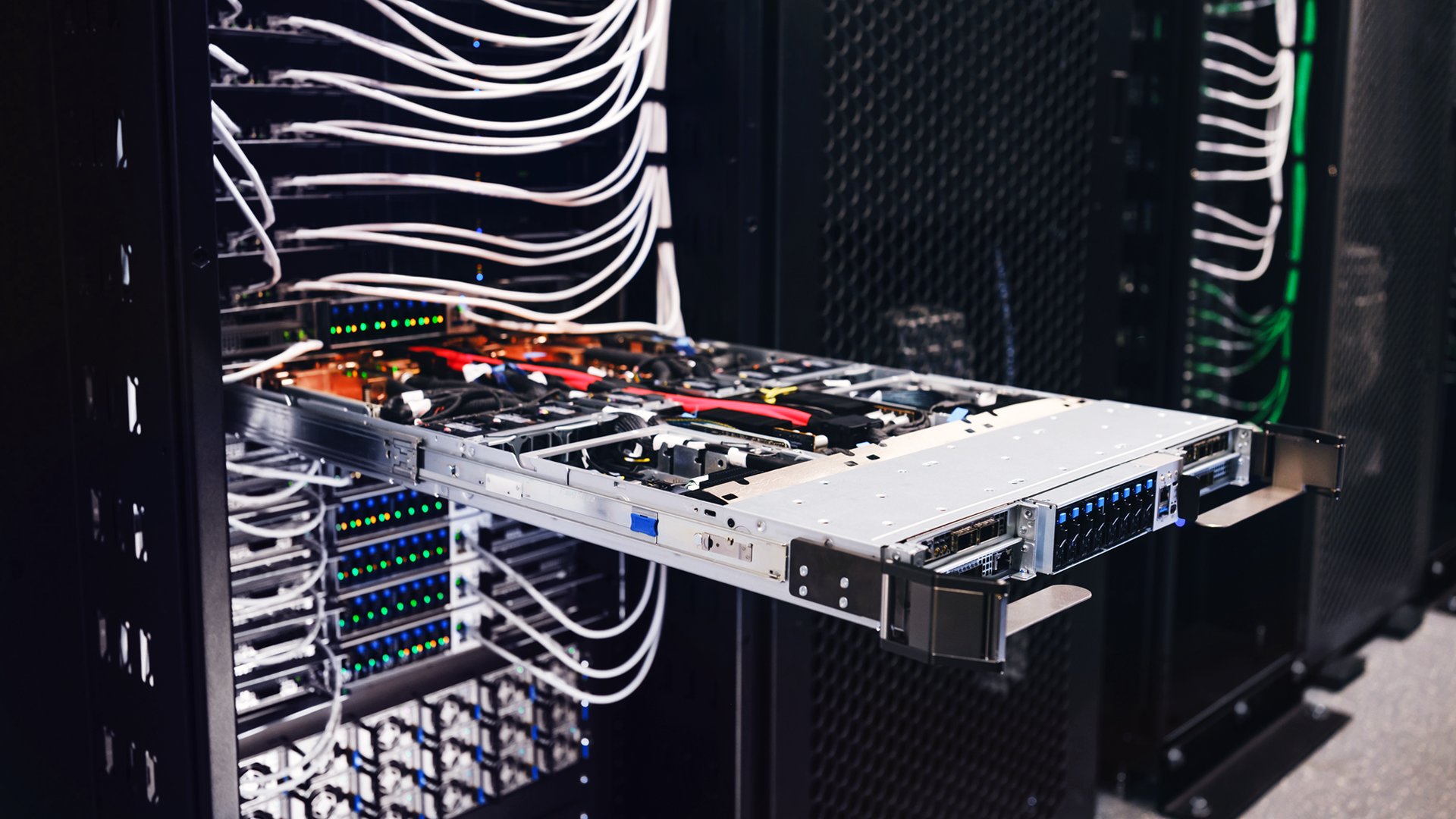
The situation serves as a cautionary tale about the interconnected nature of modern technology markets, where enterprise demand can rapidly cascade into consumer shortages, fundamentally reshaping what was once a stable and predictable component category.
Comments
Please log in or register to join the discussion