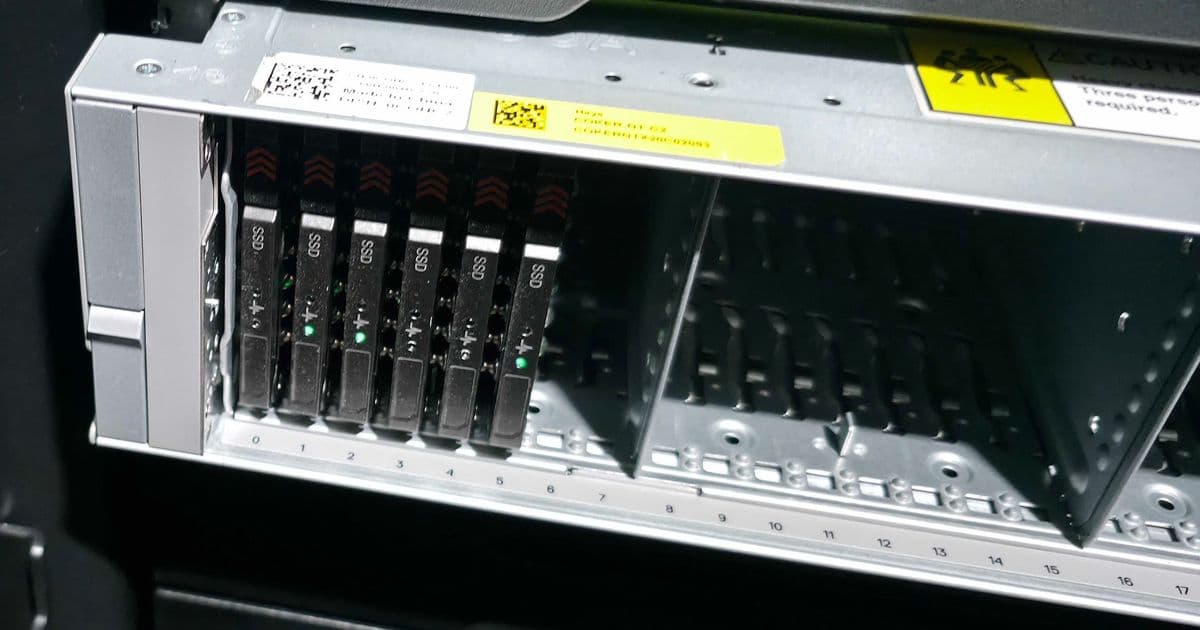
Vdura's Flash Volatility Index shows enterprise SSD prices soaring 472% in a year, with 30TB TLC drives now costing 22.6x more than hard drives as NAND shortages persist.
Vdura has dramatically revised its enterprise SSD pricing data, revealing a staggering 472% price increase for 30TB TLC drives between Q2 2025 and Q1 2026, according to the company's Flash Volatility Index update released April 8. This marks a significant escalation from the 257% increase reported in the same index's January launch.
The Numbers Behind the Surge
The revised figures paint a stark picture of enterprise storage economics. Where January's index pegged Q1 2026 pricing for a 30TB TLC enterprise SSD at $10,950, the April update shows that figure has ballooned to $17,500 - a year-over-year increase from approximately $3,000. The index also introduces QLC pricing for the first time, with 30TB QLC drives priced at $15,121 in Q1 2026, up from $2,450 the previous spring.
Perhaps most telling is the shift in Vdura's cost comparison metric. The company's January release cited a 16.4x cost multiple between TLC SSDs and hard drives. The April update replaces this with a 22.6x figure calculated against QLC drives, making direct comparison with the January reading impossible without knowing the underlying methodology.
Market Context and Industry Implications
Vdura attributes the index to "publicly available market data under a uniform commodity pricing methodology," though the company hasn't disclosed specific sources or surveyed channels. This lack of transparency has drawn scrutiny, particularly given Vdura's commercial interest in mixed-fleet storage systems and its "Flash Relief Program" promotion offering to undercut all-flash configurations from competitors like Vast Data and Weka by 50%.
However, the price surge aligns with broader industry trends. Vdura reports that enterprise SSD prices climbed by almost 24% in just three weeks between March 4 and March 23. This acceleration matches warnings from major NAND manufacturers and suppliers.
Kioxia has stated that its entire 2026 NAND production is sold out until 2027, while Phison CEO Pua Khein-Seng has warned that the shortage could extend for a decade. The supply constraints have already begun affecting payment terms, with Phison requesting shorter or upfront payment terms from its customers after suppliers imposed similar conditions.
The Hard Drive Advantage
The dramatic price differential between SSDs and traditional hard drives has widened considerably. At 22.6x the cost of HDDs, enterprise SSDs face renewed scrutiny regarding their cost-effectiveness for certain workloads. This gap may accelerate interest in hybrid storage solutions that balance performance with economics.
Vdura's position as a mixed-fleet storage vendor gives it a vested interest in highlighting these price disparities, but the underlying market forces appear genuine. The company plans to publish quarterly updates to the index, which should provide ongoing visibility into whether these price trends represent a temporary spike or a longer-term shift in enterprise storage economics.
Looking Ahead
With NAND production capacity constrained and demand continuing to grow across AI, cloud computing, and enterprise applications, the current pricing environment shows no immediate signs of relief. Storage buyers face difficult decisions as they balance performance requirements against budget constraints in an environment where SSD prices have increased by nearly 500% in just one year.
The Flash Volatility Index serves as both a market indicator and a potential marketing tool, but regardless of Vdura's motivations, the data reflects real pressures in the NAND supply chain that are reshaping enterprise storage economics fundamentally.
Comments
Please log in or register to join the discussion