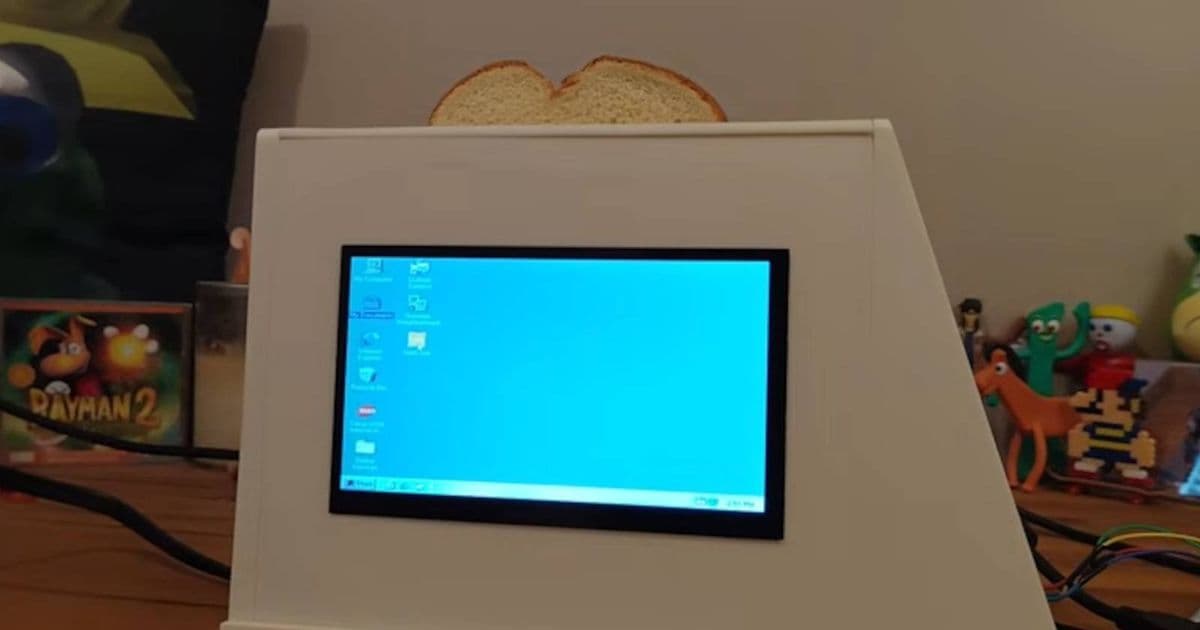
A YouTuber reverse-engineered a smart toaster to run on Windows 95 using Raspberry Pi hardware, creating a delightfully impractical toast controller via custom EXE software.
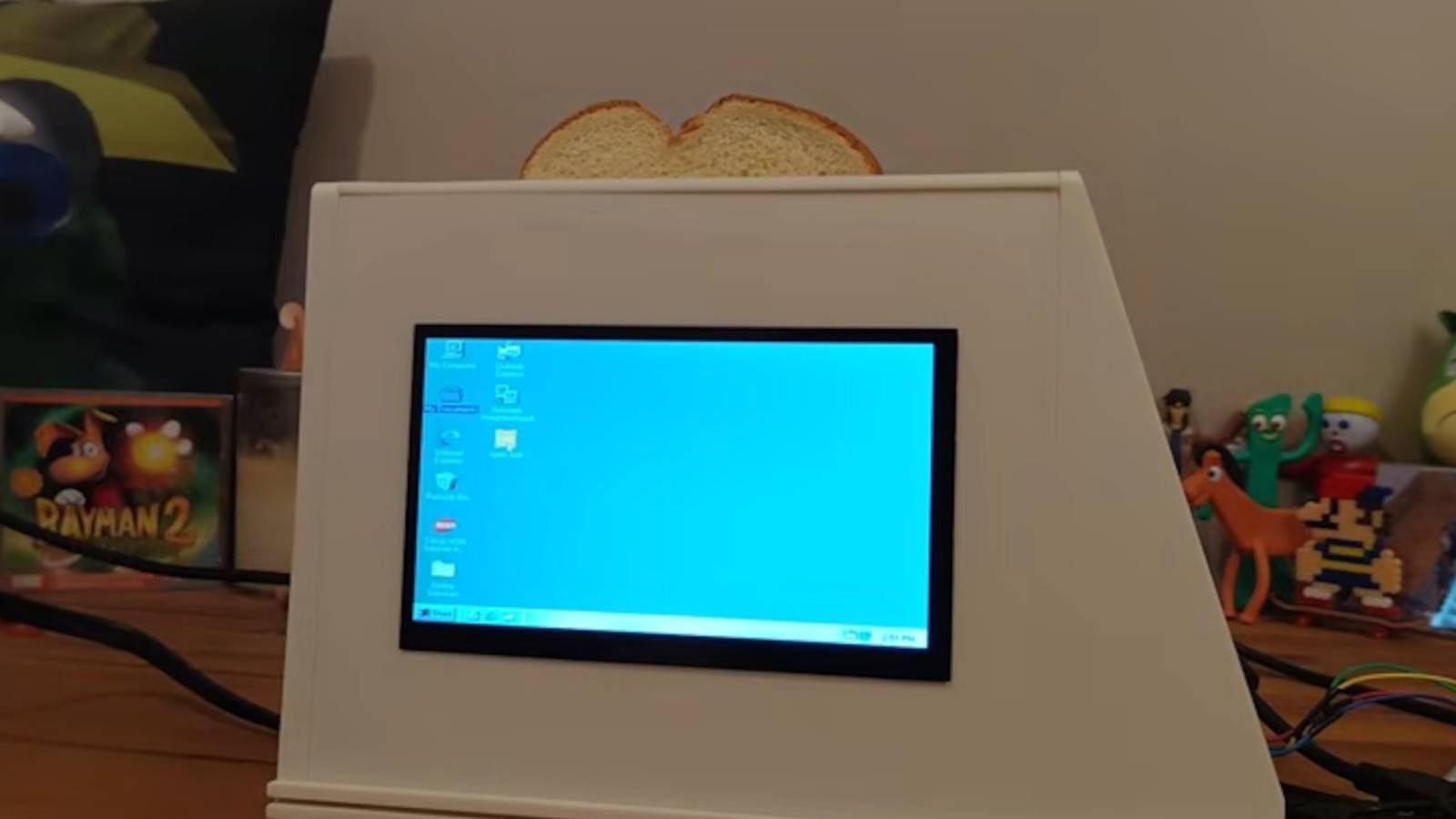
Retro computing enthusiasts continually push boundaries, but few projects blend nostalgia and absurdity like Throaty Mumbo's Windows 95-powered smart toaster. This unconventional build replaces a modern smart toaster's internals with vintage computing hardware, using Microsoft's 1995 operating system as the control interface.
The Hardware Transformation
The Revolution smart toaster's original hardware proved incapable of running Windows 95. To overcome this, Throaty Mumbo implemented a multi-stage hardware interception system:
- A Raspberry Pi Pico microcontroller reverse-engineered and intercepted the toaster's input/output signals
- A Raspberry Pi single-board computer running Windows 95 via emulation handled the operating system duties
- All components were housed inside a custom 3D-printed beige enclosure matching classic 90s computer aesthetics
This architecture created a bridge between the 16-bit operating system and modern appliance hardware. The Pi Pico translates toaster functions into commands Windows 95 can process, while simultaneously converting OS instructions back into signals the toaster's heating elements and mechanics understand.
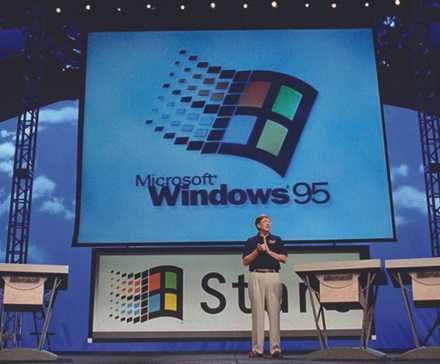 Bill Gates announces Windows 95 in 1995 - an era Throaty Mumbo's build deliberately evokes
Toast Control Through Vintage Computing
The centerpiece of the interface is Toast.exe - a custom Windows 95 application that appears as a period-appropriate dialog box on the desktop. This executable provides manual control over:
- Heating element intensity
- Browning duration cycles
- Tray elevation mechanism
- Real-time temperature monitoring
Interaction mimics classic Win95 UX patterns: dropdown menus, slider controls, and confirmation prompts. While impractical compared to modern smart appliances' one-touch operation, the interface delivers an authentic retro experience where users 'boot' their breakfast.
Technical Significance
This project demonstrates several clever engineering solutions:
- Hardware Abstraction: The Pico serves as a real-time translator between incompatible systems
- Legacy OS Modernization: Proves Windows 95 can interact with contemporary hardware through clever interfacing
- Reverse-Engineering Mastery: Decoding proprietary appliance communication protocols without documentation
The build prioritizes whimsy over practicality - toast settings require manual adjustment through multiple dialog boxes rather than automated presets. But as a technical showcase, it highlights how modern single-board computers can breathe new life into both vintage software and ordinary household appliances.
While you wouldn't replace your kitchen toaster with this setup, it stands as a brilliant example of hardware hacking creativity. For developers interested in similar projects, Raspberry Pi's GPIO documentation provides essential guidance for hardware interfacing experiments.
Comments
Please log in or register to join the discussion