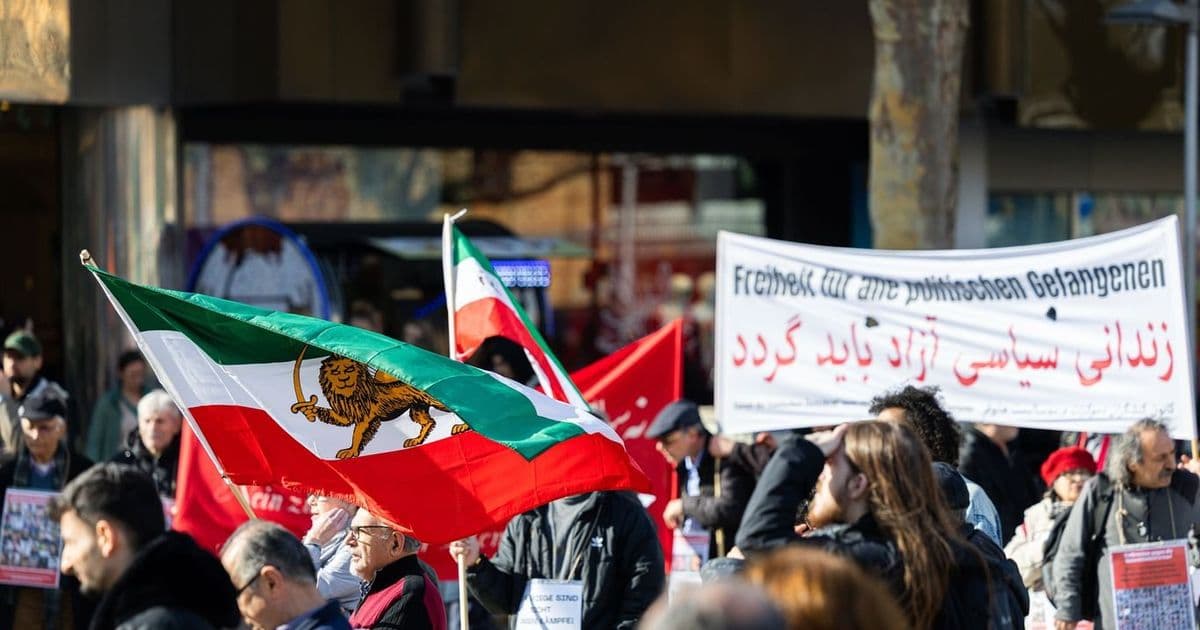
Global leaders are responding to the U.S.-Israel strikes on Iran, with European allies urging de-escalation while Middle Eastern nations express concern over regional stability.
World leaders are scrambling to respond to the U.S.-Israel strikes on Iran, with diplomatic tensions escalating across multiple continents. The coordinated military action, which targeted Iranian nuclear facilities and military installations, has triggered a wave of international reactions ranging from condemnation to cautious support.
European Union leaders have called for an immediate ceasefire and diplomatic negotiations. French President Emmanuel Macron stated that "military escalation in the Middle East threatens global stability" and urged all parties to return to the negotiating table. Germany's Chancellor Olaf Scholz emphasized the need for "de-escalation" while expressing concern about potential economic fallout from disrupted oil supplies.
Middle Eastern reactions have been mixed. Saudi Arabia and the United Arab Emirates have issued carefully worded statements calling for restraint, while maintaining strategic silence on their stance toward the strikes. Turkey's President Recep Tayyip Erdogan condemned the attacks as "unilateral aggression" that violates international law.
Russia and China have both criticized the strikes, with Russian Foreign Minister Sergey Lavrov calling them "a dangerous provocation" that could lead to wider regional conflict. China's Foreign Ministry urged "all parties to exercise restraint" and warned of potential disruptions to global energy markets.
The United Nations Security Council has scheduled an emergency meeting to address the crisis, though divisions among permanent members suggest limited prospects for unified action. Secretary-General António Guterres warned that "the risk of miscalculation and unintended escalation has never been higher."
Regional allies of Iran, including Hezbollah in Lebanon and various Iraqi militia groups, have pledged retaliation, raising concerns about the potential for a broader conflict. Meanwhile, Israel's government maintains that the strikes were necessary to prevent Iran from developing nuclear weapons capabilities.
Financial markets have reacted sharply to the news, with oil prices surging over 8% in overnight trading. Global stock markets experienced significant volatility, particularly in sectors with exposure to Middle Eastern operations.
The international community now faces a critical juncture as diplomatic efforts intensify to prevent further escalation. With multiple regional actors potentially drawn into the conflict, the coming days will be crucial in determining whether this represents a contained military operation or the beginning of a wider regional war.
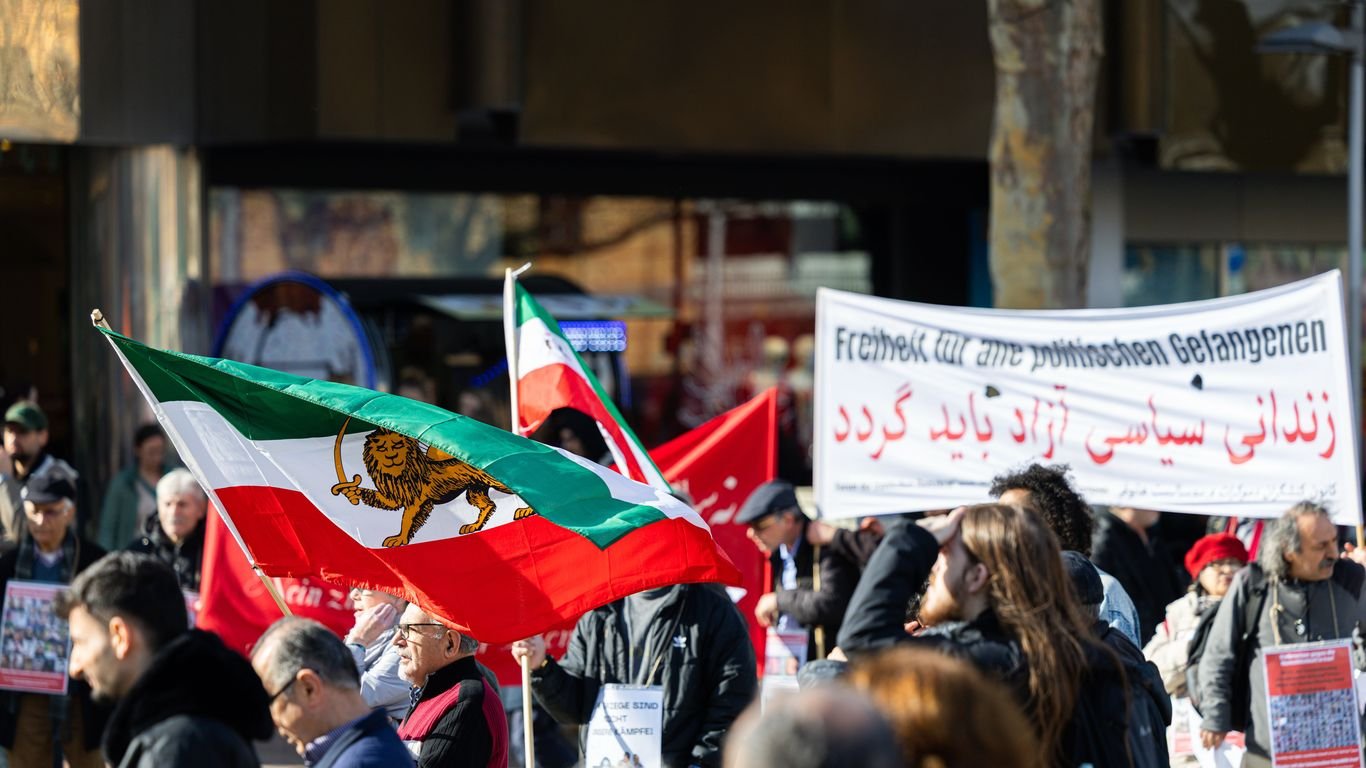
The humanitarian impact of the strikes remains unclear, with reports of civilian casualties emerging from affected areas. International aid organizations have expressed concern about the potential for a humanitarian crisis in an already volatile region.
As world leaders continue to assess the situation, the focus has shifted to preventing further military action while addressing the underlying tensions that led to this confrontation. The effectiveness of diplomatic channels in de-escalating the crisis will likely determine the trajectory of Middle Eastern geopolitics for years to come.
Comments
Please log in or register to join the discussion