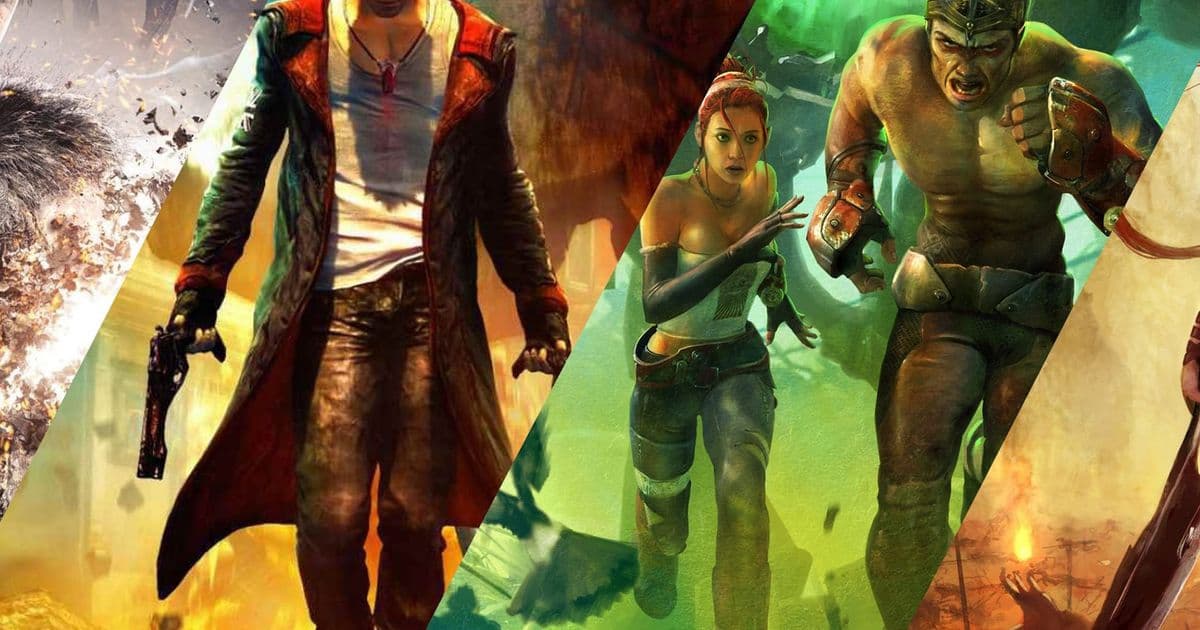
Microsoft’s Xbox reset puts Ninja Theory, Double Fine, and Compulsion Games at risk as leaders shift money toward bigger franchises.
Microsoft leaders plan to close or sell Ninja Theory, Double Fine, and Compulsion Games as Xbox executives reset a studio network built through years of acquisitions, Tom Warren at The Verge and Jason Schreier at Bloomberg reported.
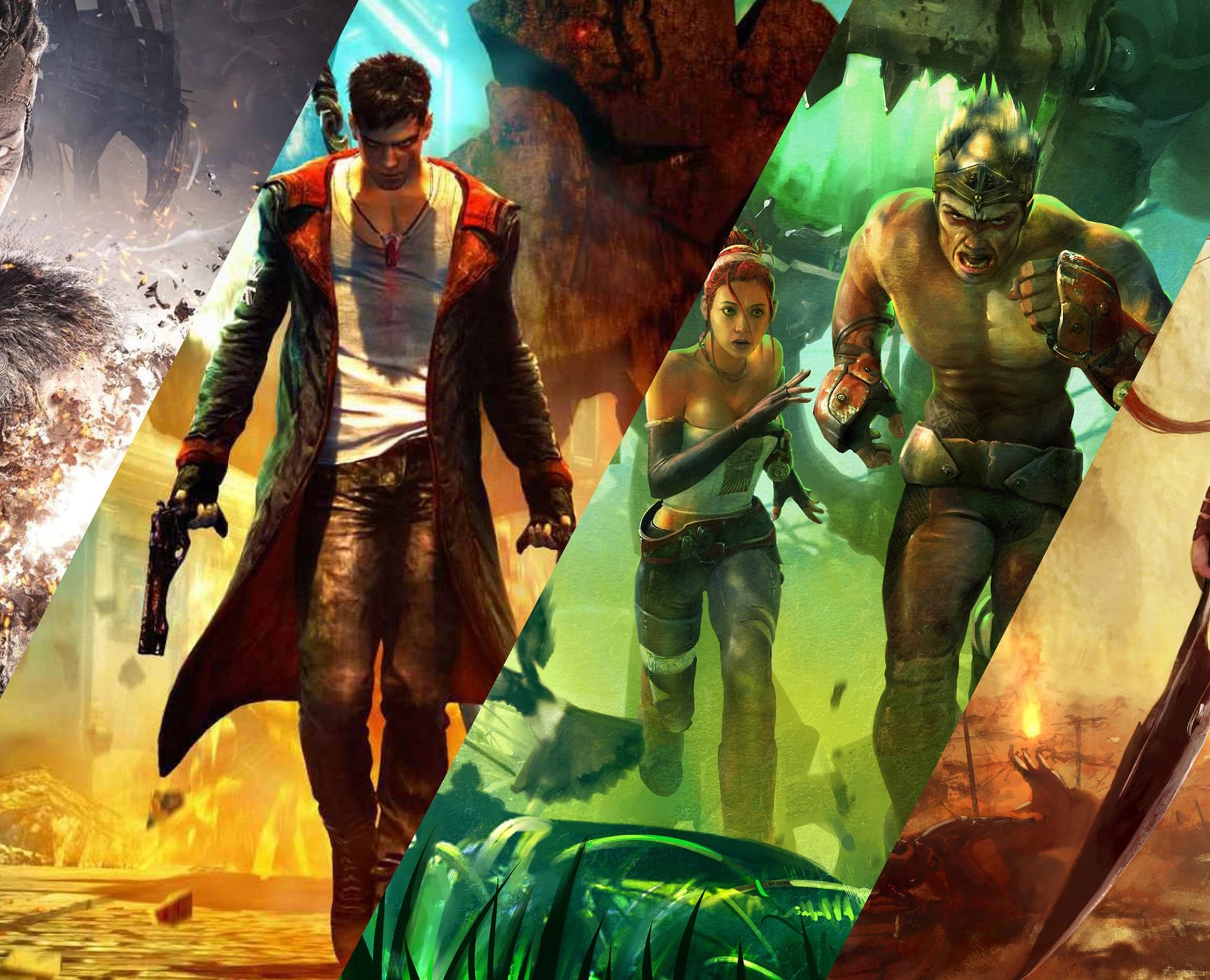
Ninja Theory staff learned Monday that Microsoft leaders intend to close the Cambridge, England, studio unless a buyer steps in, The Verge reported. The team built Hellblade into one of Xbox’s prestige series, with a focus on performance capture, psychological horror, and narrow cinematic design.
That timing stings for players who watched Microsoft show a new Senua project during its Xbox Games Showcase. The studio had linked the game to 2027, but the closure plan now puts the project, the staff, and the Hellblade pipeline in limbo.
{{IMAGE:2}}
Double Fine leaders also want a way out. The Psychonauts studio, founded by Tim Schafer in 2000, seeks to buy itself back from Microsoft and return to independent development.
Compulsion Games leaders have pushed for a spinout, too. The Montreal studio made We Happy Few and South of Midnight, and its future now depends on whether Microsoft accepts a sale, a management buyout, or another ownership structure.
The cuts follow a 100-day reset from Xbox CEO Asha Sharma, who replaced Phil Spencer earlier this year. Sharma and Xbox content chief Matt Booty told staff that Microsoft had spent more than $20 billion on Xbox content, platform work, and hardware support during the past five years, excluding the $69 billion Activision Blizzard deal, while annual revenue fell by about $500 million.
That math explains the new priorities. Xbox leaders want fewer small prestige bets and more money behind franchises with proven reach, including Halo, Gears of War, and Fallout.
Microsoft bought Ninja Theory and Compulsion Games in 2018, added Double Fine in 2019, bought ZeniMax in 2021, and completed the Activision Blizzard purchase in 2023. That buying spree gave Xbox a broad studio bench, but it also gave managers a complex slate with uneven release cadence, rising costs, and projects that served Game Pass more than full-price sales.
For players, the shift points to a narrower Xbox. Game Pass subscribers may see fewer experimental first-party games from small teams. Fans of Hellblade, Psychonauts, We Happy Few, and South of Midnight now have to watch ownership talks before they can judge sequel prospects.
For developers, the buyout talks offer one route around closure. Tango Gameworks set a recent example after Microsoft closed the Hi-Fi Rush studio in 2024 and Krafton later acquired the team. Ninja Theory, Double Fine, and Compulsion Games now need buyers who value smaller, authored games enough to fund them outside Microsoft.
Xbox leadership also faces churn. Craig Duncan, who became head of Xbox Game Studios in October 2024 after leading Rare, resigned Monday along with chief of staff Louise O’Connor, according to The Game Business.
Microsoft has spent eight years building a studio empire. Sharma’s reset now tests how much of that empire Xbox leaders still want to own.
Comments
Please log in or register to join the discussion