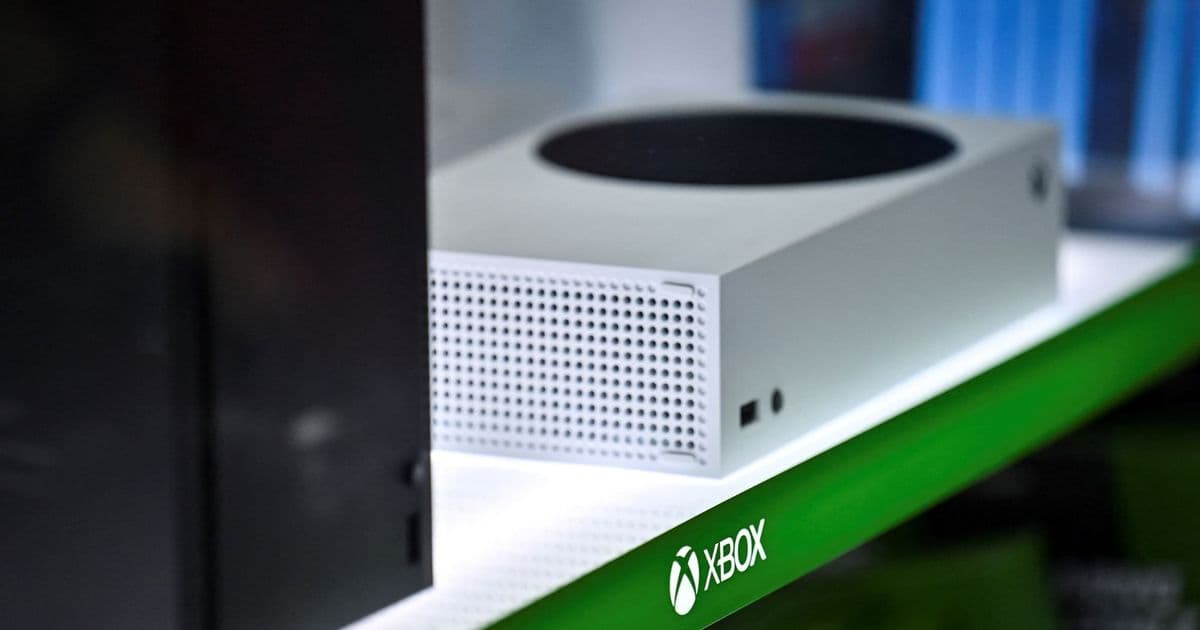
Microsoft's new Xbox CEO Asha Sharma says the console will pay more than five times what it did in 2025 for storage by 2027, a cost trajectory she calls unsustainable. The admission lays bare how the AI-driven memory shortage is reshaping console economics and pushing Xbox toward third-party hardware partners.
Microsoft's Xbox division has put a number on a problem the entire console industry is quietly absorbing: by 2027, the company expects to pay more than five times what it paid in 2025 for the storage that goes into its hardware. New Xbox CEO Asha Sharma, roughly 100 days into the role, laid out the figures in an internal memo co-authored with strategy chief Matt Brody and later published as a blog post. The headline admission is blunt. The current hardware cost structure "cannot continue."
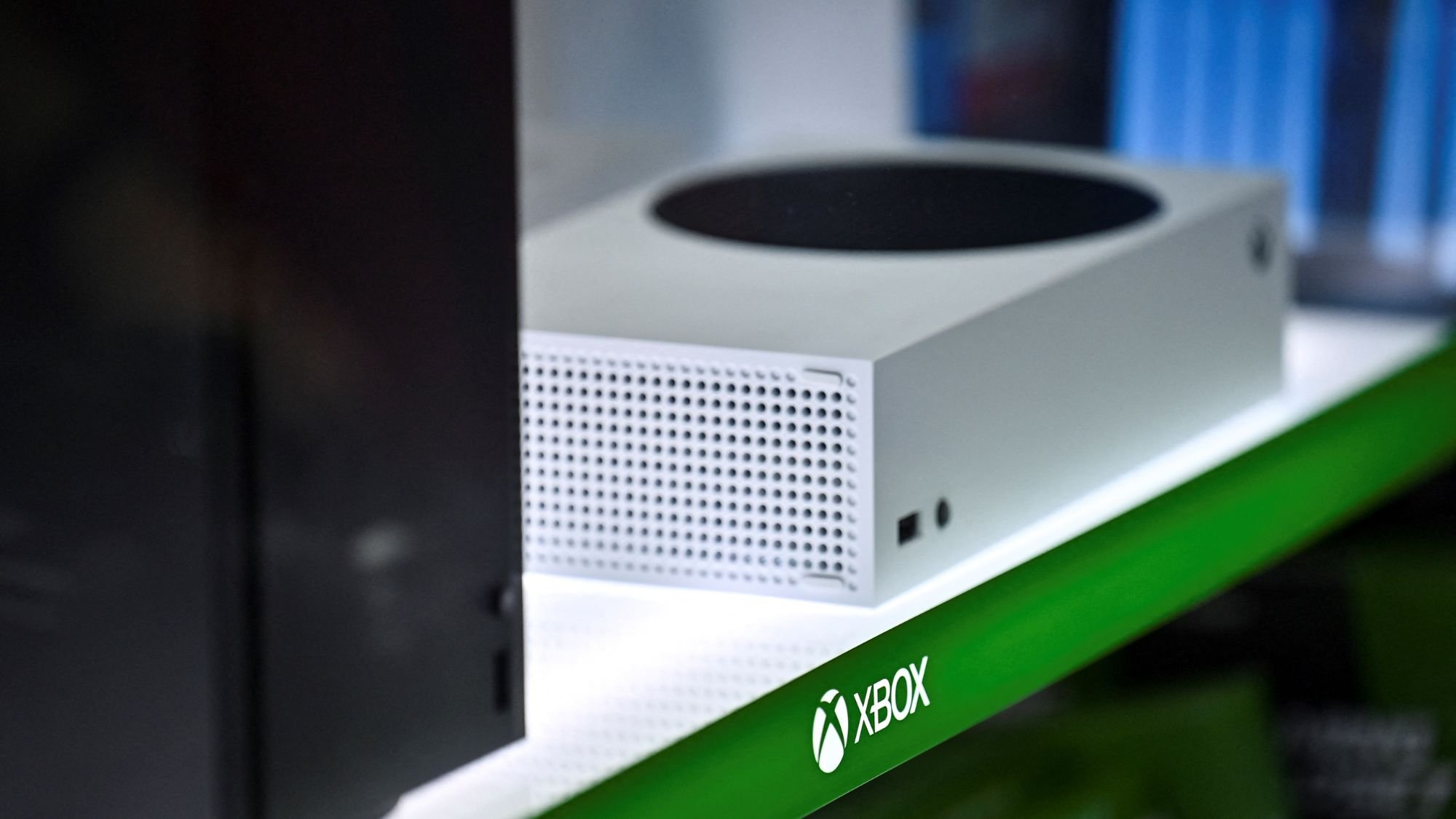
The escalation has already happened in stages. In February 2026, Xbox was paying twice what it paid in the fall of 2025 for storage. Those costs have doubled again since. The 5x multiplier projected for 2027 represents a 500% increase against a two-year baseline, and Sharma says DRAM has followed a similar curve. For a product category where bill-of-materials discipline determines whether a console is sold at a loss or near breakeven, a fivefold jump in two of the most significant line items is not a rounding error. It rewrites the entire financial model.
The supply chain mechanics behind the spike
The irony Sharma acknowledges is hard to miss. Microsoft is one of the largest buyers of AI infrastructure on the planet, and that same AI buildout is the force draining the memory and NAND supply that consoles depend on. Hyperscale demand for high-bandwidth memory and high-capacity SSDs has pulled wafer allocation toward data center parts, where margins are far richer than anything a console maker can offer. When Samsung, SK hynix, and Micron can sell HBM3E and enterprise NAND into AI servers at premium pricing, the commodity LPDDR and consumer-grade flash that a console needs moves to the back of the queue.
This is a classic allocation squeeze. Fab capacity does not expand on a console release schedule. It expands on multi-year capital cycles, and right now those cycles are being prioritized for AI. Console memory and storage compete for the same fab output, the same packaging lines, and increasingly the same advanced process nodes. When demand outstrips supply across the board, the buyer willing to pay the most wins, and a $500 console subsidizing its own silicon is structurally outbid by a $30,000 AI accelerator.
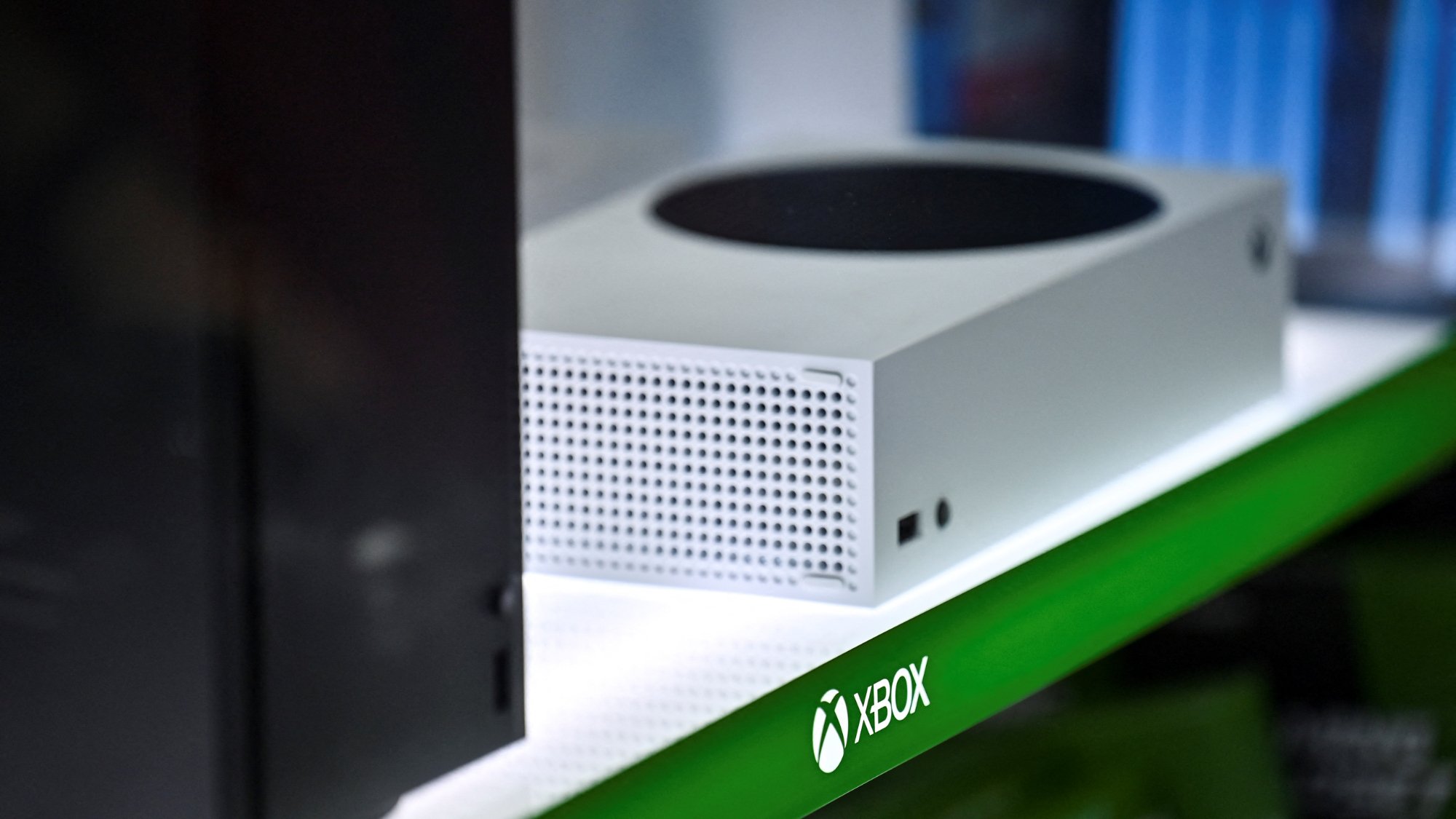
Xbox says it is hit harder than the rest of the industry because of "the choices made over the last half decade." That is a reference to design decisions, supply commitments, and a hardware roadmap locked in before the AI memory crunch was visible. Competitors making different bets on storage configurations or component sourcing are absorbing the same macro pressure differently.
What the economics actually look like
The numbers Sharma shared frame the severity. Xbox has invested more than $20 billion over five years while losing roughly $500 million in annual revenue across the same window. The operating margin is described as $3 on every $100, a razor-thin 3% that leaves almost no room to absorb component inflation. A 5x increase in storage cost against that kind of margin does not get smoothed over. It forces a structural change.
That is the context for the most consequential line in the memo: a "new business model and partnerships for hardware" is being considered. Read plainly, that points toward third-party OEMs building Xbox hardware rather than Microsoft subsidizing each unit itself. The traditional console playbook, sell hardware at or below cost and recover margin through software and services, breaks when the hardware loss balloons and the services margin sits at 3%. Offloading manufacturing to partners who build to a price, the way the PC industry works, transfers the subsidy burden off Microsoft's balance sheet.
Xbox Helix and the move to premium
The device caught in the middle of this is Xbox Helix, the console-PC hybrid still planned for next year. Current estimates put it well above $1,000, and Sharma has publicly questioned whether spending thousands of dollars across a single console generation is feasible for players. The component cost trajectory makes the math worse, not better, and the messaging has shifted accordingly. Helix is now described as a premium device rather than a direct PS6 competitor.
In isolation a four-figure console sounds steep. Against current reference points it is less of an outlier. A PS5 Pro now sells for $900, and a 1TB Steam Deck OLED runs $950. The premium handheld and high-end console segment has already drifted toward $1,000, partly for the same supply reasons. If memory and storage costs are climbing for everyone, every device in the category gets more expensive, and Helix's pricing starts to look like a symptom of the market rather than an anomaly.

Market implications
The broader signal here is that the AI compute boom has a cost that lands far outside the data center. Consumer hardware that shares a supply chain with AI accelerators inherits AI-era pricing, and console makers operating on thin margins have the least room to absorb it. Microsoft's response, limiting first-party output to two exclusives across 2026 and 2027, exploring subscription and financing models, and reportedly preparing a layoff to be announced June 30, 2026 after its fiscal year closes, reads as a company restructuring around a cost base it cannot control.
The radical business models being floated, deeper financing, expanded subscriptions, and OEM-built hardware, all point the same direction: decoupling Microsoft from the per-unit hardware subsidy. Whether that preserves Xbox as a hardware brand or quietly transitions it into a platform that runs on other companies' boxes is the open question. What is no longer in question is the pressure driving it. When a buyer the size of Microsoft is paying 5x for storage and calling the situation unsustainable, the memory shortage has stopped being a supply footnote and become a force reshaping how consumer hardware gets built and sold.
Comments
Please log in or register to join the discussion