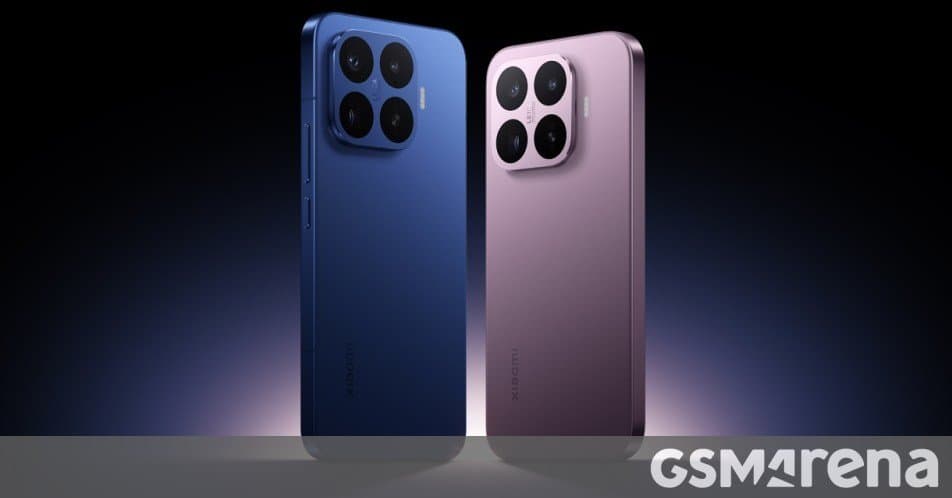
Recent poll results reveal consumer concerns about Xiaomi's latest pricing strategy for the 17T series, with many voters expressing that the €100 premium over previous models is unjustified despite notable improvements.
Xiaomi 17T Series Pricing Analysis: Premium Features Meet Consumer Resistance
The mobile tech community has spoken, and the verdict on Xiaomi's latest 17T series is clear: the €100 price hike has created significant resistance among potential buyers. According to GSMArena's weekly poll results, while Xiaomi made some commendable design choices with the 17T series, the pricing strategy appears to have alienated a substantial portion of their target audience.
The Xiaomi 17T: A More Compact Package
The standard Xiaomi 17T presents an interesting case study in consumer preferences. Unlike many manufacturers that continue to increase screen sizes, Xiaomi reduced the display from 6.83" on the 15T to 6.59" on the 17T. This more compact form factor has been well-received by voters, with minimal complaints about the smaller size. The decision appears particularly wise when paired with the phone's substantial 6,500mAh battery, which provides impressive endurance without requiring a larger chassis.
Camera enthusiasts will appreciate the inclusion of a capable 50MP 5x/115mm periscope telephoto lens, a feature that proved popular among poll respondents. This represents a meaningful upgrade over previous generations and positions the 17T as a strong contender in the mid-range camera phone segment.
Under the hood, the Dimensity 8500 Ultra chipset may not compete with flagship-grade silicon, but it appears well-suited to handle the phone's features without breaking the bank. This balanced approach to specifications—prioritizing practical upgrades rather than chasing benchmark scores—aligns with what many consumers actually need in a daily driver.
The 17T Pro: Crossing a Psychological Price Threshold
The Xiaomi 17T Pro, however, has faced more significant criticism, primarily due to its pricing strategy. At €999.90 for the 512GB model, the Pro variant has crossed a psychological price boundary that many consumers are unwilling to accept. The poll results indicate that even with its hardware improvements, the Pro model struggles to justify its premium position in the market.
Several specific complaints emerged from voters regarding the 17T Pro's value proposition. Most notably, the inclusion of a USB-C 2.0 port on a €900 phone drew considerable criticism. While the port can still charge the phone's massive 7,000mAh battery at 100W speeds, the outdated data transfer capabilities represent a significant compromise at this price point.
The hardware upgrades from the 15T Pro to the 17T Pro are relatively modest, consisting primarily of:
- A battery increase from 5,500mAh to 7,000mAh
- A chipset upgrade from Dimensity 9400+ to 9500
While these are meaningful improvements, they may not be substantial enough to warrant the price premium, especially when compared to the actual flagship devices that compete in the same price range.
Market Positioning and Consumer Value
The Xiaomi 17T Pro occupies a challenging position in the market. While it can technically be classified as a "flagship killer" due to its specifications, its pricing places it uncomfortably close to actual flagship devices from competitors. This proximity creates direct comparisons where the 17T Pro often comes up short, particularly in areas like the USB-C port and potentially software support commitments.
The poll results suggest that Xiaomi might have miscalculated the market's willingness to pay a premium for incremental improvements. The 17T series represents solid hardware with genuine upgrades, but the pricing strategy appears to have outpaced consumer expectations for value.
The Path Forward: Strategic Price Adjustments
Perhaps the most telling insight from the poll is the consensus that a price cut could significantly improve the 17T Pro's market reception. Many respondents indicated that with a solid discount, the Pro variant could potentially outperform the vanilla 17T in terms of popularity and sales.
This suggests that Xiaomi has a strong product marred by questionable pricing rather than a fundamentally flawed device. The hardware, camera capabilities, and battery life all appear to be competitive within their respective segments. The primary barrier to adoption appears to be the price-to-value ratio rather than the phones themselves.
For consumers considering the 17T series, the decision may come down to specific needs. The standard 17T offers a more compact form factor with still-impressive specifications, while the Pro model provides marginal hardware upgrades at a significantly higher price point. Those who prioritize camera capabilities and battery life might find value in the Pro model, but only if Xiaomi adjusts the pricing to better reflect the actual improvements over previous generations.
As the mobile market continues to mature, consumers are becoming increasingly discerning about the value proposition of mid-to-premium devices. The Xiaomi 17T series poll results serve as a reminder that even strong hardware improvements must be accompanied by thoughtful pricing strategies to achieve market success.
For those interested in a deeper comparison between the two models, GSMArena's Xiaomi 17T vs. 17T Pro analysis provides additional insights into the subtle differences between these siblings.
The pricing landscape for the Xiaomi 17T series in Europe:
- Xiaomi 17T 5G 256GB 12GB RAM: €749.90
- Xiaomi 17T 5G 512GB 12GB RAM: €799.90
- Xiaomi 17T Pro 5G 512GB 12GB RAM: €999.90
- Xiaomi 17T Pro 5G 256GB 12GB RAM: £799.00
This analysis suggests that Xiaomi may need to reconsider its pricing strategy for the 17T Pro, particularly in markets where consumers are more price-sensitive. With the right adjustments, the 17T series has the potential to become a stronger contender in the competitive mid-to-premium smartphone segment.
Comments
Please log in or register to join the discussion