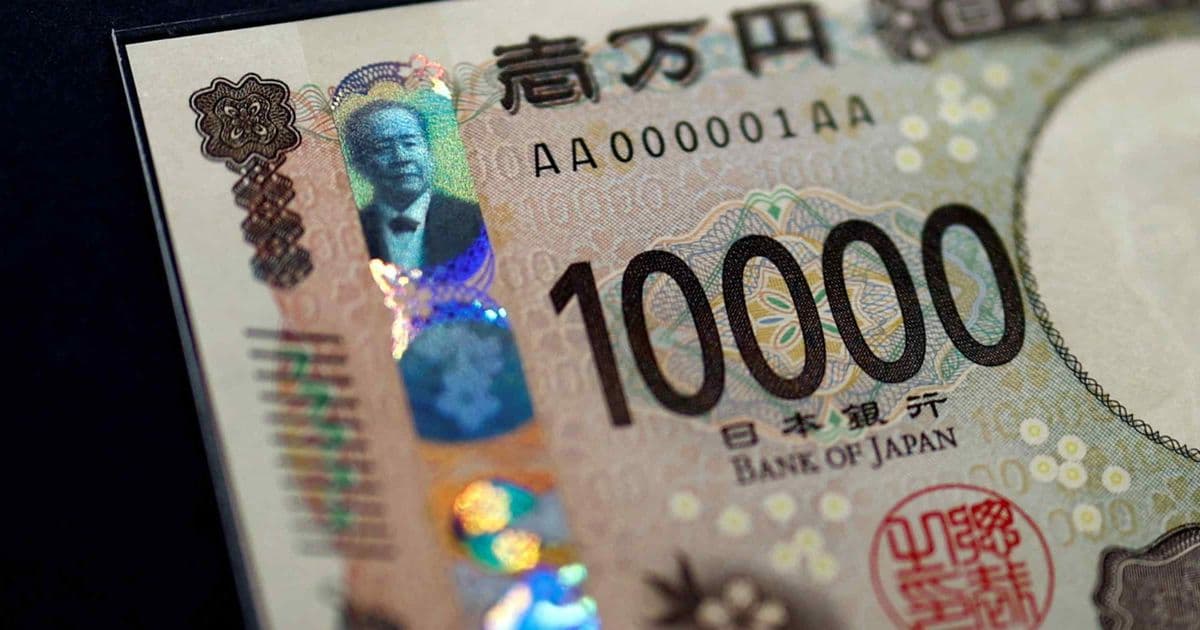
The Japanese yen surged to 155 against the dollar during volatile New York trading as market participants positioned for potential government intervention following Bank of Japan Governor Kazuo Ueda's signals of no imminent rate hikes.
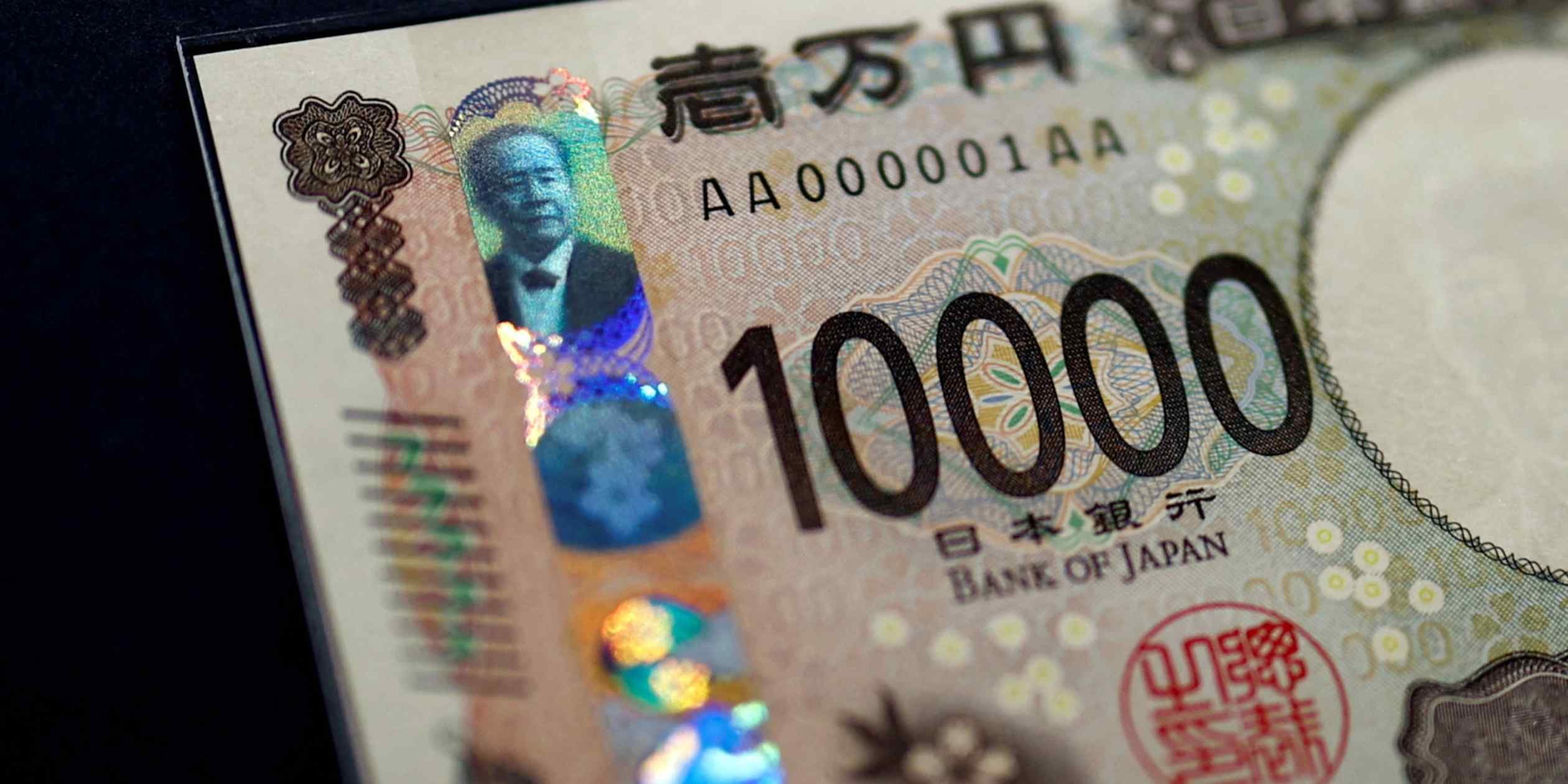
The Japanese yen experienced dramatic swings in foreign exchange markets Friday, rallying sharply to trade near 155 per US dollar during New York hours after earlier touching 159. This 2.5% intraday reversal represents the most volatile yen trading session in three months, driven primarily by heightened speculation about potential currency intervention by Japanese authorities.
Market turbulence followed Bank of Japan Governor Kazuo Ueda's Thursday remarks indicating no urgency to raise interest rates despite yen depreciation pressures. The central bank chief acknowledged that exchange rate movements could impact inflation but stopped short of signaling concrete policy shifts, maintaining Japan's benchmark rate at 0.1%.
Foreign exchange analysts immediately interpreted the policy stance as increasing likelihood of direct intervention. Japan's Ministry of Finance spent approximately $60 billion defending the yen in late 2022 when it last breached the 152 threshold. Current conditions show similar technical triggers, with the yen's real effective exchange rate hovering near 50-year lows according to Bank for International Settlements data.
Strategic implications extend beyond currency markets. A persistently weak yen complicates Japan's efforts to manage its national debt, which stands at 263% of GDP according to IMF figures. Import-driven inflation remains elevated at 2.8% year-over-year, squeezing household spending while export-oriented manufacturers gain competitive advantages. The currency's instability also pressures regional economies; South Korea's won and Indonesia's rupiah both hit multi-year lows against the dollar this week amid spillover effects.
Market pricing now reflects approximately 35% probability of BOJ policy tightening by September according to overnight index swaps, down from 65% earlier this month. This divergence between market expectations and official communication creates fertile ground for volatility. Finance Ministry officials have maintained verbal intervention tactics throughout the week, with Vice Finance Minister Masato Kanda repeating that authorities stand ready to act against excessive currency moves.
For global asset allocators, yen movements signal broader risk sentiment shifts. The currency's 12% decline against the dollar this year correlates strongly with widening interest differentials, with 10-year US Treasuries yielding 4.25% versus Japan's 0.95%. Sustained intervention would require liquidating foreign reserves currently totaling $1.15 trillion, potentially disrupting global bond markets. Trading patterns suggest algorithmic funds exacerbated Friday's reversal, with CME data showing yen futures volume spiking 78% above 30-day averages during the New York session.
Comments
Please log in or register to join the discussion