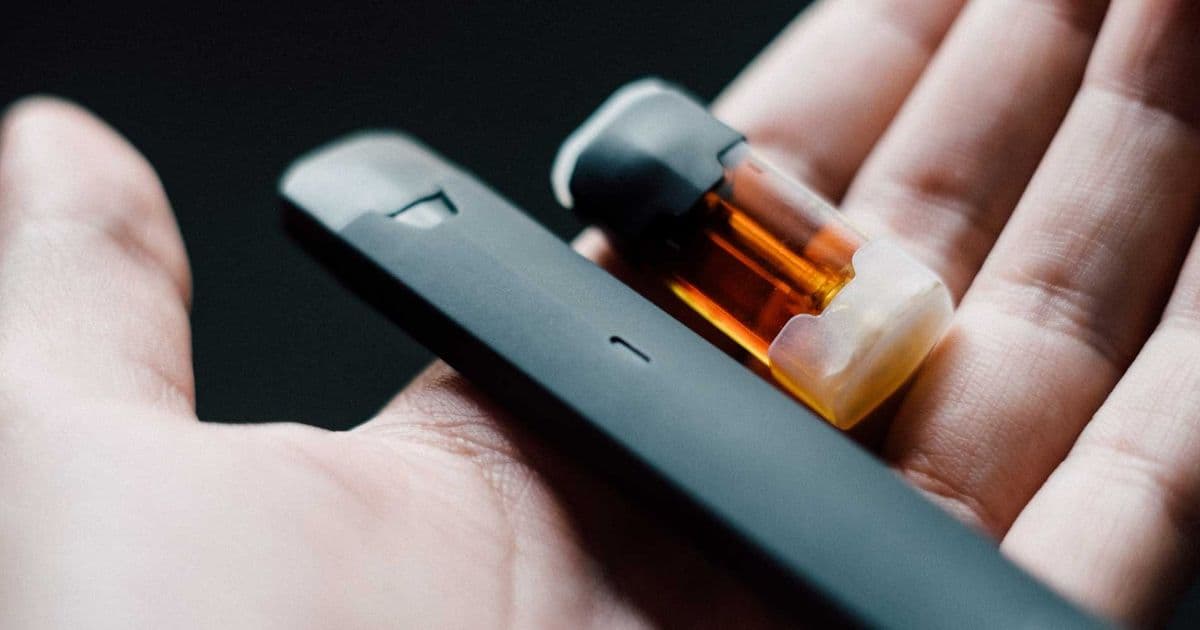
Engineer Chris Doel demonstrates that discarded vape batteries can power a vehicle, highlighting e-waste recycling potential.
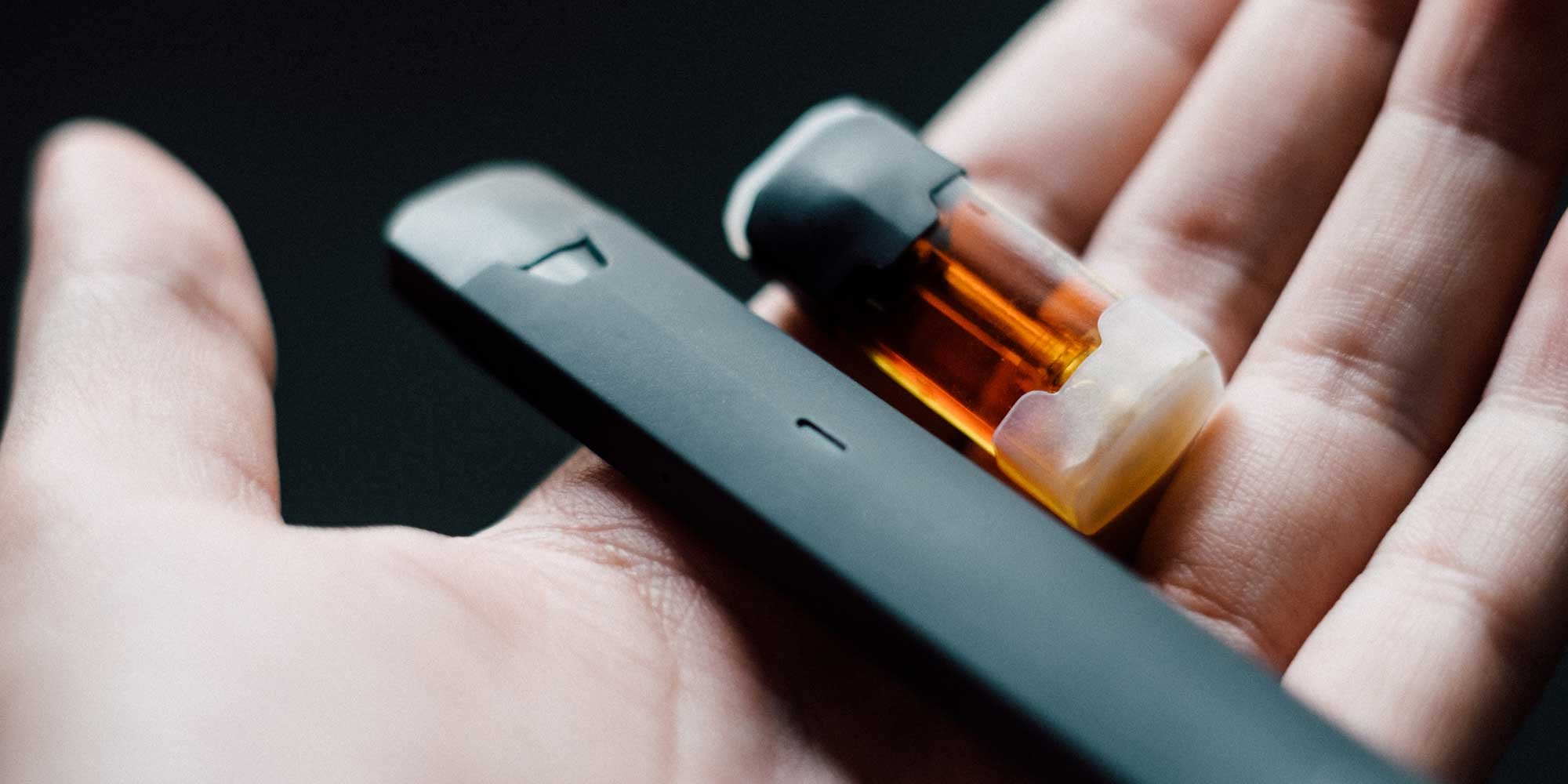
YouTuber Chris Doel has demonstrated that batteries from 500 disposable vapes can actually power one of the UK's most famous electric vehicles - the Reva G-Wiz. The project proves that what many consider "disposable" e-waste contains valuable energy storage potential.
From vape trash to EV power
Doel, who works as a software and electronics engineer at Jaguar Land Rover, has been experimenting with salvaged vape batteries for months. His previous project involved building a 50-volt, 500-vape battery stack capable of powering his house. For this automotive experiment, he needed a compact EV that wouldn't demand too much power too quickly.
The Reva G-Wiz, infamous for being incredibly small, slow, and exempt from many safety regulations due to its classification as a heavy quadricycle rather than a proper automobile, proved to be the perfect candidate. The vehicle originally came with a 48V battery pack, making Doel's 50V vape stack a natural fit.
Technical challenges and achievements
Because the G-Wiz predates modern EVs' computerized safety features, Doel was able to relatively easily replace the original lead-acid batteries with his homemade vape battery stack. The vehicle's small size meant it could operate effectively on the modest power output.
While the modified G-Wiz couldn't match the original's top speed of 50MPH, Doel limited the system to around 35MPH to prevent overtaxing the battery pack. Despite this limitation, he successfully drove to a fast-food drive-through, a store, and most of the way back home - covering approximately 18 miles before the batteries gave out.
Environmental message
Doel's project serves as a pointed commentary on disposable vape waste. The UK banned disposable vapes in 2025 to combat nicotine use among children and reduce recyclable garbage. In countries where they remain legal, like the United States, nearly half a million disposable vapes end up in landfills daily.
"We all need a big think as to what we actually classify as waste, because sadly planned obsolescence is becoming more and more common," Doel said at the end of his video demonstration.
The project highlights the potential for upcycling electronic waste, though it's worth noting that proper recycling of lithium-ion batteries typically requires specialized facilities to safely extract valuable materials like lithium, cobalt, and nickel.
Doel's experiment proves that with technical knowledge and creativity, items often considered disposable can find new life in unexpected applications - though most consumers would be better served by proper recycling programs rather than attempting similar DIY projects.
Comments
Please log in or register to join the discussion