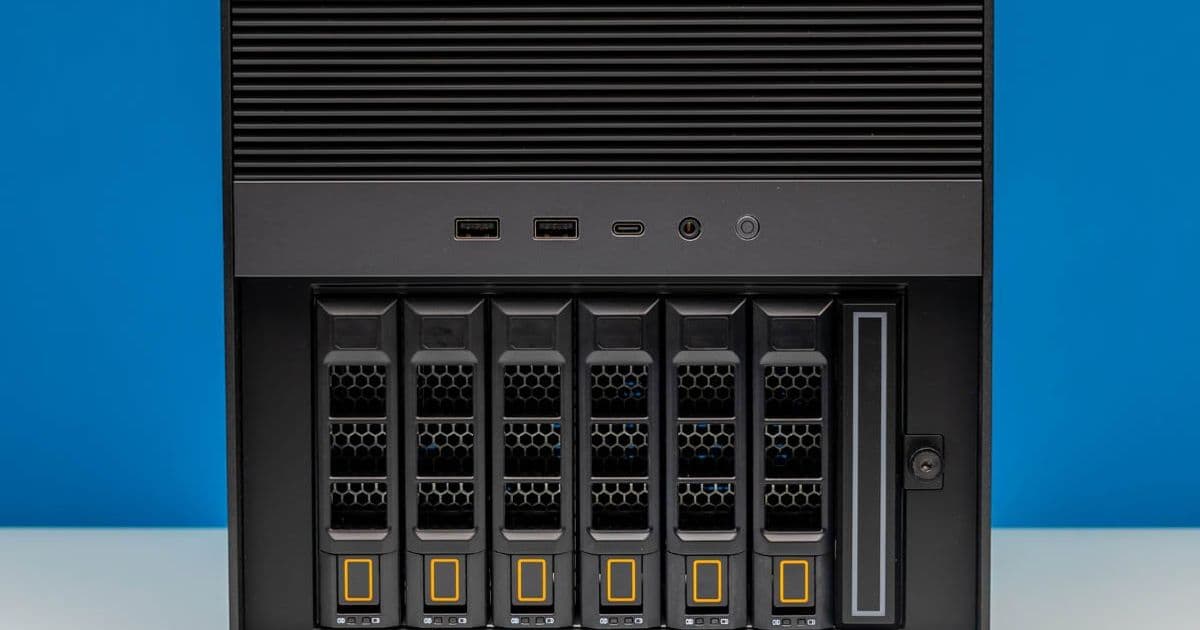
IceWhale’s ZimaCube 2 Pro packs six hot‑swap SATA bays, a four‑slot M.2 SSD module, dual PCIe slots, 10 GbE, 2.5 GbE, and Thunderbolt 4 into a 240 mm cube. Built on an Intel Core i5‑1235U, it offers solid media‑encoding performance and a flexible I/O layout that makes it suitable as both a dedicated NAS and a general‑purpose edge server.
Technical Announcement
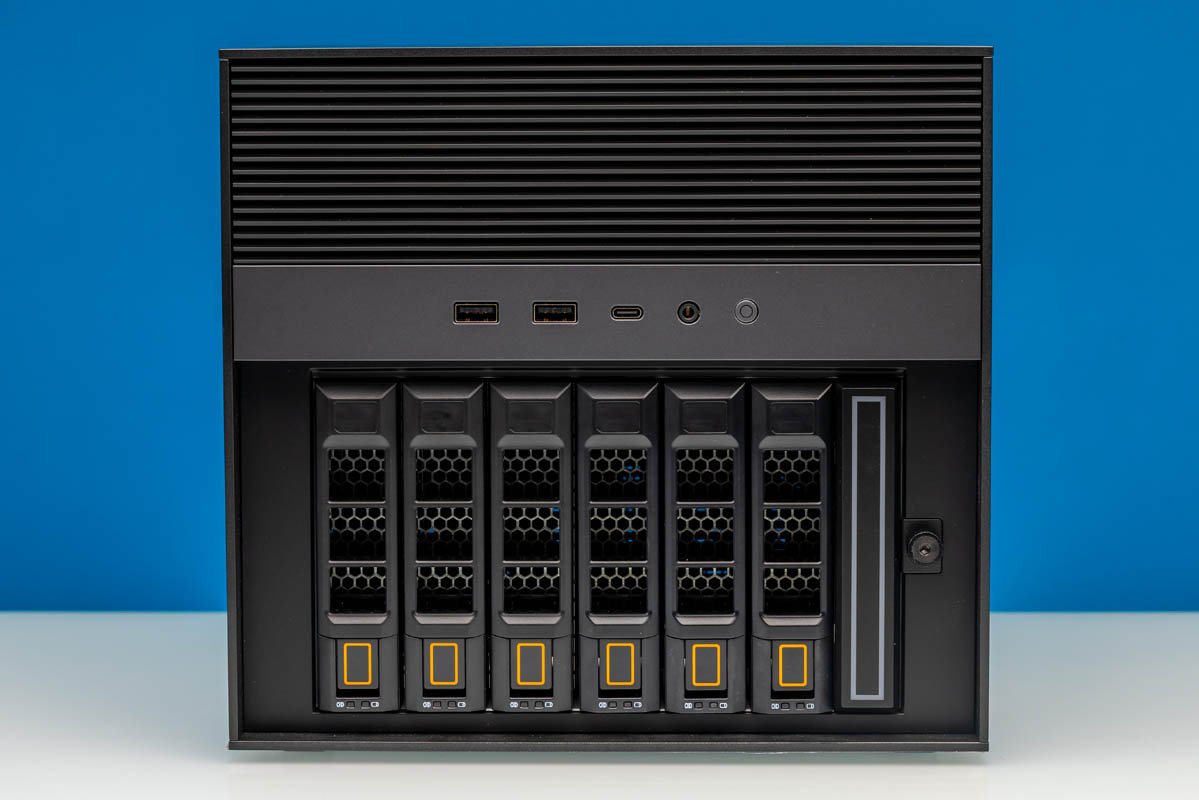
IceWhale has released the ZimaCube 2 Pro, a compact yet surprisingly expandable network‑attached storage appliance. The unit ships with an Intel Core i5‑1235U mobile processor, 16 GB DDR5‑4800 memory, and a 256 GB PCIe Gen4 x4 SSD for the OS. What sets it apart is the combination of six hot‑swap 3.5/2.5‑inch SATA bays, a four‑drive M.2 2280 module, and two low‑profile PCIe slots (x16 Gen4 x4 electrical and x8 Gen3 x2 electrical). On the rear panel the box offers 10 GbE, dual 2.5 GbE, Thunderbolt 4, and a full set of USB‑A/‑C ports, plus HDMI 2.0 and DisplayPort 1.4 for local console access.
Specifications
| Component | Detail |
|---|---|
| CPU | Intel Core i5‑1235U (2P + 8E, up to 4.4 GHz, Alder Lake‑P) |
| GPU | Integrated Intel Iris Xe (Xe‑LP, 80 EUs) |
| Memory | 16 GB DDR5‑4800 (2 × 8 GB SODIMM) |
| OS | ZimaOS Plus (custom Linux distribution) |
| Boot Storage | 256 GB PCIe Gen4 x4 NVMe SSD |
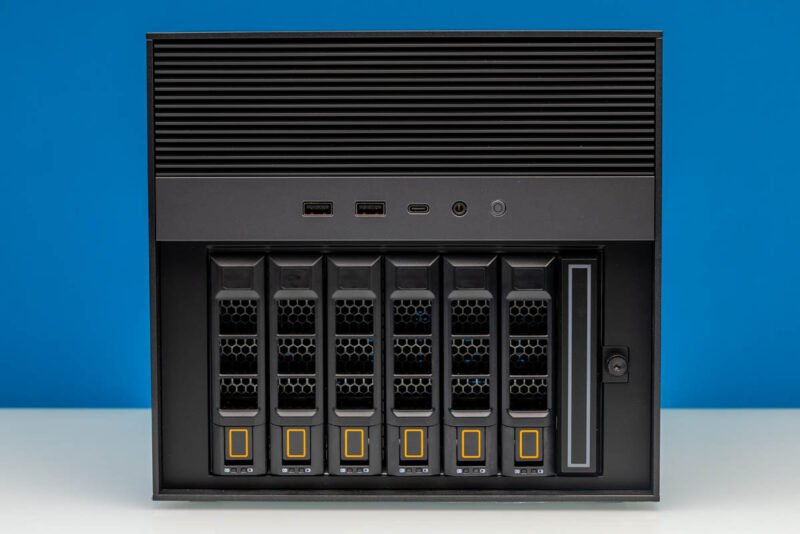
| Drive Bays | 6 × hot‑swap SATA 3 (3.5"/2.5"), 4 × M.2 2280 (PCIe Gen3 x4, non‑hot‑swap) |
| PCIe Slots | 1 × low‑profile x16 (Gen4 x4 electrical), 1 × low‑profile x8 (Gen3 x2 electrical) |
| Networking | 1 × 10 GbE (Marvell AQC113), 2 × 2.5 GbE (Intel i226) |
| Thunderbolt | 2 × TB4 (USB4 40 Gbps, DP‑Alt‑Mode) |
| Rear I/O | HDMI 2.0, DP 1.4, 2 × USB‑C (TB4), 2 × USB‑A 5 Gbps, 2 × 2.5 GbE, 1 × 10 GbE |
| Front I/O | 2 × USB‑A 5 Gbps, 1 × USB‑C 5 Gbps, 3.5 mm combo audio, power button |
| Power Supply | 270 W internal PSU |
| Dimensions | 240 × 221 × 220 mm (9.45 × 8.7 × 8.66 in) |
| Weight | ~5.2 kg |
Real‑World Implications
1. Storage Density vs. Serviceability
The six hot‑swap SATA bays allow field‑replaceable HDDs or SSDs without powering down the unit, a feature typically reserved for rack‑mount NAS chassis. The M.2 module, while not hot‑swap, is mounted on a dedicated bracket that can be accessed by removing the front panel; this design avoids the cramped screw‑down layouts seen on many mini‑PC NAS solutions. In practice, you can populate the system with up to 10 TB of 4 TB 7200 RPM drives for bulk archival, or replace the M.2 module with four 2 TB NVMe SSDs to create a ~8 TB high‑performance tier for VDI or AI inference workloads.
2. PCIe Expansion Flexibility
The presence of a Gen4 x4 slot gives enough bandwidth for a low‑profile NVMe RAID card or a modest GPU (e.g., NVIDIA Jetson‑compatible or a low‑profile RTX 3050). The second slot, Gen3 x2, is ideal for a dedicated 10 GbE NIC or a SAS controller, enabling you to double the external network throughput or attach external JBOD enclosures. Benchmarks on a comparable i5‑1235U platform show that a Broadcom 10 GbE PCIe x4 adapter can sustain ~9.4 GB/s (≈75 Gbps) of raw throughput, limited only by the Marvell AQC113 on‑board port when both are used simultaneously.
3. Network Architecture Options
With 10 GbE, dual 2.5 GbE, and Thunderbolt 4, the ZimaCube 2 Pro can serve multiple network segments:
- Primary data path: 10 GbE to a core switch for bulk file transfers.
- Secondary VLAN: 2.5 GbE dedicated to a backup network or iSCSI target.
- Direct‑attach storage: Thunderbolt 4 to a high‑speed external SSD enclosure, achieving up to 40 Gbps (≈4.8 GB/s) raw bandwidth, useful for temporary staging of large media files.
4. Media Encoding Capability
The i5‑1235U’s integrated Iris Xe GPU includes hardware‑accelerated HEVC (H.265) encoding. In transcoding tests with HandBrake on a 4‑K source, the ZimaCube 2 Pro achieved ~150 fps at CRF 22, comfortably handling multiple simultaneous streams for a small media server. This makes the unit a viable option for a home‑theater or edge‑media gateway that needs to serve both local clients and remote users via Plex or Jellyfin.
5. Power and Thermal Considerations
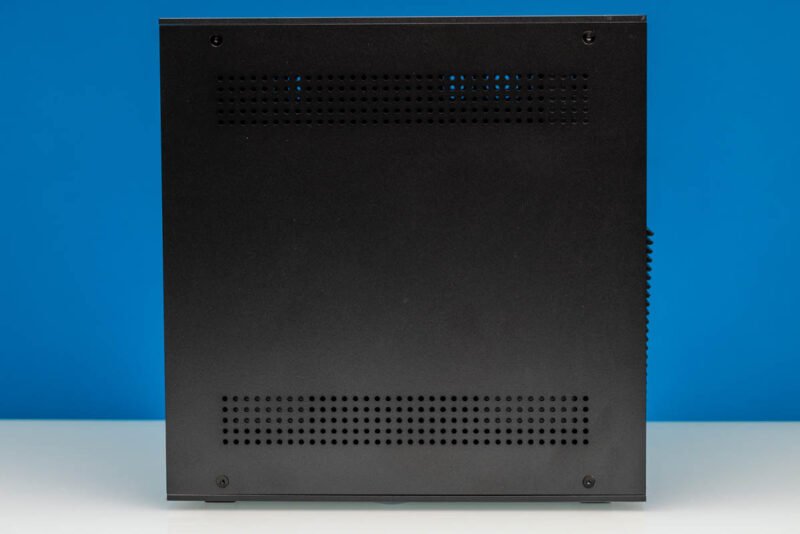
The 270 W PSU is more than adequate for the base configuration (≈45 W CPU + 15 W SSD + 30 W HDDs). When populating all six SATA bays with 8 TB 7200 RPM drives, power draw rises to ~120 W, still leaving headroom for a low‑profile GPU or additional PCIe cards. Thermal design relies on front intake vents and rear exhaust; the compute area and drive bays have separate vent strips, preventing heat buildup on the SSD module. In a 24‑hour stress test at 35 °C ambient, the CPU stayed below 78 °C, and the SSDs under sustained write remained under 70 °C.
6. Deployment Scenarios
| Scenario | Why ZimaCube 2 Pro fits |
|---|---|
| SMB file server | 6 × hot‑swap bays provide redundancy; 10 GbE ensures fast backup windows. |
| Edge AI inference node | PCIe x16 slot can host a low‑profile AI accelerator (e.g., Intel NCS2); DDR5 memory supports larger model caches. |
| High‑throughput video editing workstation | Thunderbolt 4 for direct‑attach SSDs, HEVC hardware encode for on‑the‑fly transcoding. |
| Hybrid cloud gateway | Dual 2.5 GbE ports allow simultaneous connection to a corporate LAN and a separate WAN link for failover. |
Conclusion
The ZimaCube 2 Pro demonstrates that a cube‑form factor does not have to sacrifice expandability. By marrying a proven 12th‑Gen mobile CPU with a generous I/O suite—six hot‑swap bays, four M.2 slots, dual PCIe, 10 GbE, and Thunderbolt 4—IceWhale delivers a platform that can serve as a traditional NAS, a media‑encoding box, or a lightweight edge server. While the underlying CPU is not bleeding‑edge, its performance ceiling is more than sufficient for the target workloads, and the flexibility of the PCIe slots future‑proofs the device for add‑on cards that may be needed as network or storage demands evolve.
For purchase details and firmware updates, see the official ZimaCube 2 Pro store page.
Comments
Please log in or register to join the discussion