Stanford's annual AI Index report reveals widening gap between AI insiders and the general public on technology's impact, with experts remaining optimistic while everyday people express growing concerns about jobs, healthcare, and regulation.
A new Stanford University report reveals a widening chasm between AI experts and the general public on the technology's impact, with everyday people expressing growing anxiety about AI's effects on their lives while industry insiders remain largely optimistic about its potential.
The findings, published in Stanford's annual AI Index report, highlight a disconnect that's becoming increasingly apparent in public discourse around artificial intelligence. While AI leaders focus on managing the theoretical risks of Artificial General Intelligence (AGI) and superintelligence, the public is more concerned about immediate, tangible impacts like job security, rising energy costs from data centers, and the quality of their medical care.
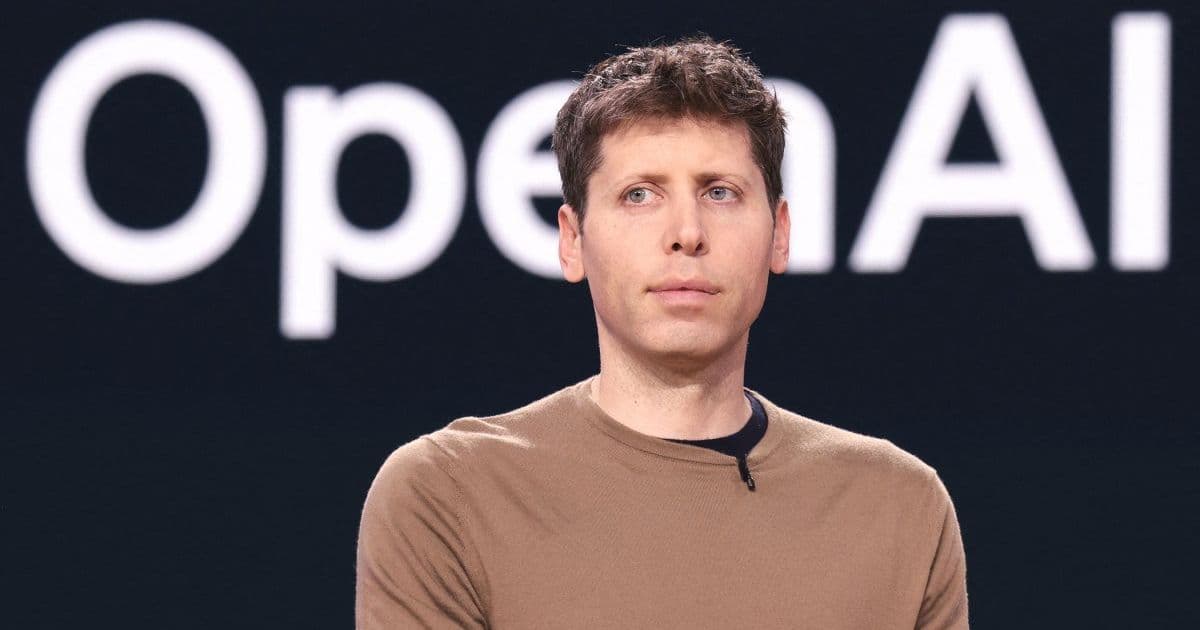
This divide was starkly illustrated in the online reaction to recent attacks on OpenAI CEO Sam Altman's home. AI insiders expressed surprise at social media comments that seemed to praise the attacks, with some posts echoing the sentiment seen after other high-profile incidents involving corporate executives. The tone suggests a growing frustration that some see as potentially revolutionary in nature.
The Numbers Tell the Story
Stanford's report draws from multiple data sources to paint a picture of diverging perspectives:
- Only 10% of Americans said they were more excited than concerned about increased AI use in daily life, according to Pew Research data
- 56% of AI experts believe AI will have a positive impact on the U.S. over the next 20 years
- 84% of experts predict positive impacts on medical care, compared to just 44% of the general public
- 73% of experts feel positive about AI's impact on jobs, while only 23% of the public shares this view
- 69% of experts are optimistic about AI's economic impact, versus 21% of the public
Trust in Regulation Varies Widely
The United States reports the lowest trust in government to regulate AI responsibly among nations surveyed, at just 31%. Singapore leads with 81% trust in its government's regulatory capabilities, according to Ipsos data cited in the report.
Nationally, 41% of Americans believe federal AI regulation won't go far enough, while only 27% think it will go "too far." This suggests a public appetite for more oversight, even as experts may worry about overregulation stifling innovation.
The Human Cost
Recent Gallup polling shows Gen Z leading the way in negative sentiment about AI, with young people growing "less hopeful and more angry" about the technology. This is particularly striking given that around half of this demographic uses AI either daily or weekly.
For many workers, the AI revolution feels less like a technological marvel and more like an existential threat. The supposed AI-fueled layoffs and workplace disruptions have created a credibility gap between the industry's promises of augmentation and the public's experience of displacement.
A Glimmer of Hope
Despite the pessimism, AI does have one bright spot: globally, those who feel AI products and services offer more benefits than drawbacks slightly increased from 55% in 2024 to 59% in 2025. However, this modest improvement is tempered by the fact that those who say AI makes them "nervous" grew from 50% to 52% during the same period.
The growing disconnect between AI insiders and the public represents more than just differing opinions—it signals a potential crisis of legitimacy for the technology industry. As AI becomes more deeply embedded in everyday life, bridging this gap will be crucial for ensuring that the benefits of AI are broadly shared and its risks properly managed.
The question remains: can the AI industry listen to and address these legitimate concerns before the divide becomes unbridgeable? Or will the gap between the technologists shaping our future and the people living it continue to widen, potentially undermining the very progress that AI promises to deliver?
Comments
Please log in or register to join the discussion