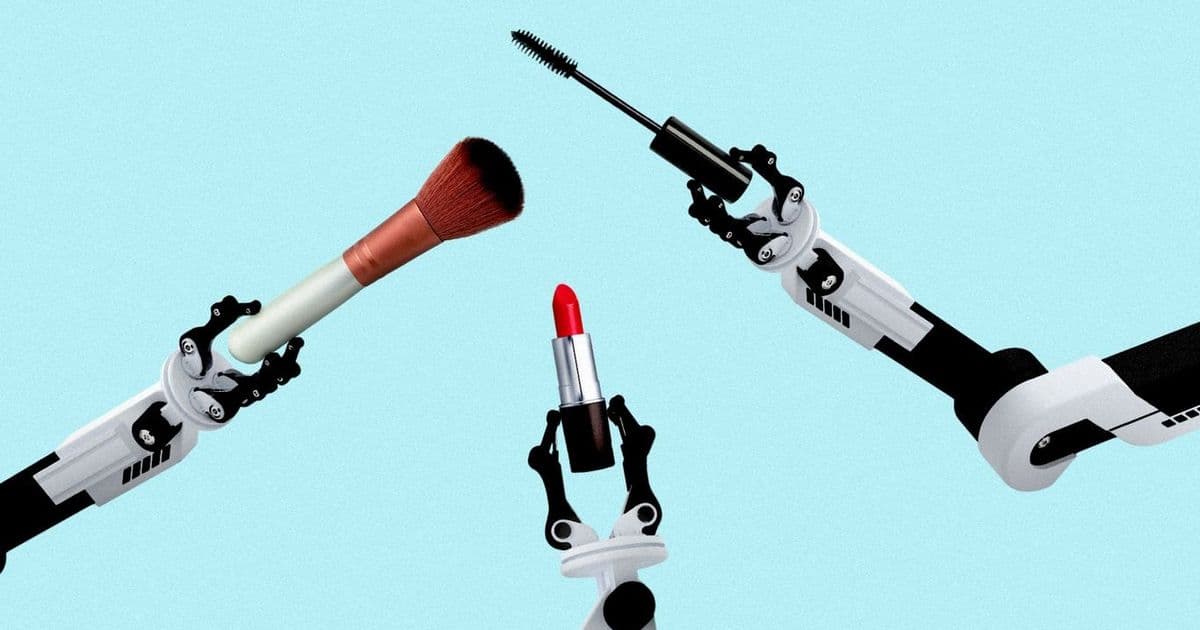
Beauty professionals express concern that AI-generated hair and makeup looks are creating unrealistic standards that undermine real-world artistry and client expectations.
The beauty industry is grappling with a new challenge as AI-generated hair and makeup looks flood social media platforms, creating what some professionals call a "digital fantasy" that's increasingly difficult to translate into real-world applications.
The Rise of AI-Generated Beauty
Artificial intelligence tools have made it remarkably simple for anyone to generate hyper-stylized beauty looks that push the boundaries of what's physically possible. These AI creations often feature impossible color gradients, gravity-defying hairstyles, and makeup applications that defy the laws of physics and human anatomy.
Platforms like Instagram and TikTok are now filled with AI-generated beauty content that garners millions of views, with hashtags like #AIBeauty and #DigitalMakeup gaining traction among users seeking inspiration. The technology allows users to input simple prompts and receive elaborate, fantastical beauty looks that would be impossible or extremely time-consuming for human artists to recreate.
Industry Concerns
Professional makeup artists and hairstylists are raising alarms about the impact these digital creations are having on client expectations and the broader beauty industry. Many report that clients are increasingly bringing AI-generated images to appointments, expecting artists to replicate looks that simply cannot exist in reality.
"Clients come in with these AI-generated photos thinking they can get that exact look," says Sarah Chen, a Los Angeles-based makeup artist with over a decade of experience. "It's frustrating because we're being held to impossible standards. These images aren't real - they're digital fantasies that undermine the skill and artistry of real makeup application."
Hair stylists report similar challenges. "I've had clients ask for hair colors that shift through five different shades in a single strand," explains Marcus Rodriguez, a New York salon owner. "AI can generate that, but human hair simply doesn't work that way. It's creating a disconnect between what's possible and what people think is achievable."
The Authenticity Debate
The tension highlights a broader conversation about authenticity in the beauty industry. While traditional beauty standards have long been criticized for being unrealistic, AI-generated content introduces an entirely new layer of unreality that's explicitly digital in nature.
Some industry observers argue that AI-generated beauty content could actually benefit the industry by pushing creative boundaries and inspiring new techniques. However, many working professionals see it as a threat to their craft and livelihood.
"It's not just about unrealistic expectations," notes beauty industry analyst Jennifer Park. "There's a real concern that AI-generated content could devalue the years of training and expertise that professional artists bring to their work. When anyone can generate a 'perfect' look with a few clicks, what does that mean for the future of beauty artistry?"
Market Impact
The proliferation of AI-generated beauty content is already affecting the market. Some beauty brands are investing in AI tools to create digital campaigns, potentially reducing the need for human models and makeup artists in certain contexts. Meanwhile, social media platforms are seeing engagement metrics shift as users gravitate toward increasingly fantastical content.
According to recent data, posts featuring AI-generated beauty content receive approximately 40% more engagement than traditional beauty content on platforms like Instagram, suggesting a clear consumer appetite for these digital creations despite professional concerns.
Looking Forward
The beauty industry now faces the challenge of balancing technological innovation with the preservation of authentic artistry. Some professionals are embracing AI as a tool for inspiration and planning, while others are pushing back against what they see as a threat to their craft.
As AI technology continues to advance, the line between digital fantasy and achievable beauty will likely become increasingly blurred, forcing both professionals and consumers to navigate new questions about authenticity, creativity, and the future of beauty standards.
Comments
Please log in or register to join the discussion