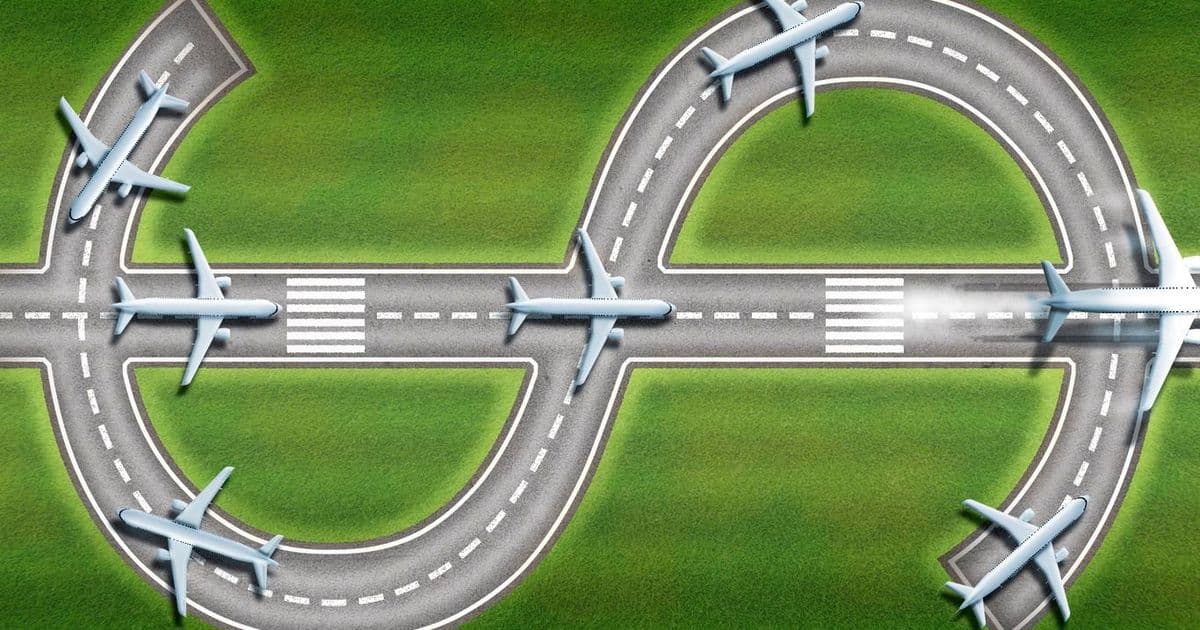
Rising jet fuel costs are forcing airlines to restructure routes and operations, potentially reshaping the competitive landscape of the aviation industry.
The airline industry is grappling with a significant challenge as jet fuel prices continue to soar, forcing carriers to reevaluate their operations and potentially reshaping the competitive landscape of aviation. This development comes at a critical time when the industry was just beginning to recover from the devastating impacts of the COVID-19 pandemic.
The Fuel Price Crisis
Jet fuel prices have surged to unprecedented levels, with some reports indicating increases of over 50% compared to pre-pandemic levels. This sharp rise in fuel costs is putting immense pressure on airlines' already thin profit margins. For many carriers, fuel represents one of their largest operational expenses, often accounting for 20-30% of total costs.
Impact on Airline Operations
In response to these rising costs, airlines are being forced to make difficult decisions:
- Route restructuring: Less profitable routes are being cut or reduced in frequency
- Fleet optimization: Airlines are accelerating the retirement of older, less fuel-efficient aircraft
- Ticket price adjustments: Carriers are implementing fare increases to offset fuel costs
- Capacity management: Some airlines are reducing overall capacity to maintain profitability
Market Shakeup
The current situation is creating a potential shakeup in the airline industry, with several possible outcomes:
- Consolidation: Smaller carriers may struggle to survive, potentially leading to mergers and acquisitions
- Market share shifts: Airlines with stronger balance sheets or more fuel-efficient fleets may gain competitive advantages
- Regional disparities: The impact may vary significantly across different regions and markets
- Innovation push: The crisis could accelerate investments in fuel efficiency and alternative energy sources
Historical Context
This isn't the first time the airline industry has faced a fuel crisis. In 2008, oil prices reached record highs, forcing airlines to implement similar cost-cutting measures. However, the current situation is unique due to the industry's recent recovery from the pandemic and the ongoing geopolitical tensions affecting global energy markets.
Looking Ahead
The airline industry's response to this challenge will likely shape its future for years to come. While some carriers may struggle, others may find opportunities for growth and innovation. The long-term impact on air travel accessibility and pricing remains to be seen, but passengers should prepare for potential changes in their flying experience.
As the situation continues to evolve, industry analysts and travelers alike will be watching closely to see how airlines navigate this perfect storm of high fuel costs and ongoing recovery challenges.
Comments
Please log in or register to join the discussion