
A new study from Lloyd's Register analyzing over 40 million shipboard alarm events shows that excessive and poorly managed alerts are creating a critical safety risk, overwhelming crews and eroding trust in systems designed to protect them. The research identifies practical, low-tech interventions that can cut alarm loads by nearly 50%.
The maritime industry's digital transformation has brought a hidden crisis to the bridge: a relentless barrage of alarms that is actively undermining safety. New research from Lloyd's Register (LR) reveals that crews on modern vessels are often overwhelmed by tens of thousands of alerts daily, many of which offer little operational value. This alarm overload is not just an annoyance; it's a fundamental safety risk that pushes crews toward dangerous workarounds and erodes their trust in the very systems meant to protect them.
LR's report, Effective Alarm Management in the Maritime Industry, is based on an unprecedented analysis of data collected from 11 operational vessels over 2,000 days, encompassing more than 40 million alarm-related events. The findings are stark. Many ships generate thousands of alarms every day, with some cruise ships experiencing up to 2,600 alarms daily and peak rates reaching 4,691 alarms in just ten minutes. This constant noise leads to widespread alarm fatigue, disrupts rest periods, and forces crews into a state of chronic stress.
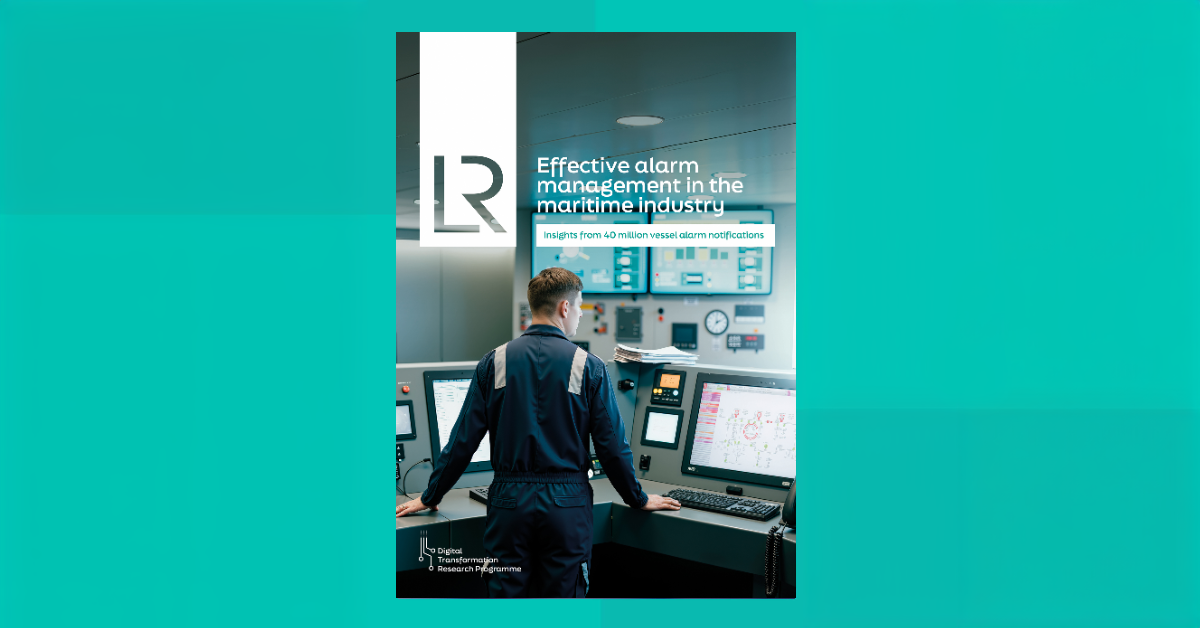
The study applied recognised industrial best practices, including IEC 62682 and EEMUA 191, to maritime operations for the first time at this scale. The results show a significant gap between industry standards and reality. Fewer than half of the vessels studied met the recommended benchmark of fewer than 30 alarms per hour. On ships with unattended machinery spaces, alarms disrupted 63% of rest periods. The human cost is clear: crews, overwhelmed by the volume of alerts, are forced to silence alarms without proper acknowledgement or even physically bypass alarm circuits. This normalises unsafe practices and systematically erodes trust in critical safety systems.
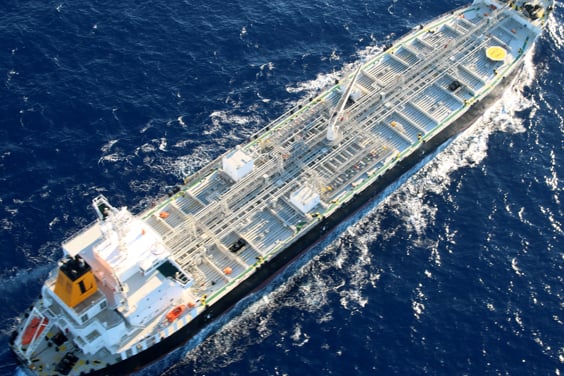
However, the research also points to a clear path forward, demonstrating that significant improvements are possible without massive investment in new technology or complete system redesigns. A pilot project on an operational cruise ship, detailed in the report, reduced total alarm numbers by almost 50% over a six-month period. The gains were achieved through traditional marine engineering interventions: correcting faulty valve installations, replacing defective sensors, and tuning existing control systems. This pragmatic approach highlights that the core of the problem is often not the technology itself, but its implementation and maintenance.
LR's analysis further demonstrates that a targeted approach can yield substantial results. By addressing just the 10 most frequent alarms, overall alarm loads could be reduced by nearly 40%. This is a powerful insight for ship operators looking for actionable starting points. The report argues that the industry must move beyond simply diagnosing the problem and start implementing proven solutions.

The implications extend beyond individual vessels. Duncan Duffy, LR’s Global Head of Technology, frames the issue in stark terms: "Our research found that alarm systems, when poorly managed, have themselves become a safety risk. Without decisive industry action, alarm fatigue will continue to undermine situational awareness and increase the likelihood of serious incidents."
Duffy emphasizes that a cultural and procedural shift is needed. "If the maritime industry is serious about safety, it must commit to continuous performance measurement, objective evaluation, and a human-centred approach to alarm system design. Only then can alarm systems fulfil their intended purpose—supporting crews, safeguarding lives, and ensuring safer voyages for all."
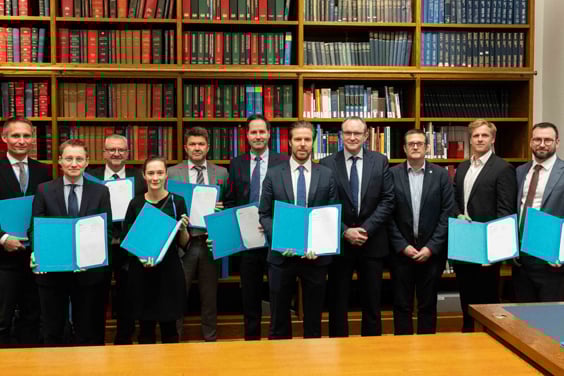
The report calls for three key industry actions: greater adoption of objective alarm performance assessment, stronger consideration of human factors in system design and operation throughout the vessel lifecycle, and the development of regulatory frameworks that support consistent, enforceable standards. This moves the conversation from a technical nuisance to a systemic safety and operational efficiency challenge.
This research is part of LR’s broader Digital Transformation Research programme, which aims to provide in-depth analysis of key opportunities and challenges for maritime digitalisation. The findings serve as a critical reminder that digitalisation must be human-centric. Simply adding more sensors and generating more data is counterproductive if it leads to information overload that compromises safety. The solution lies not in more technology, but in smarter, more thoughtful application of existing systems, with a relentless focus on the human operators who rely on them.
For ship operators, engineers, and regulators, the message is clear: alarm management is no longer a background maintenance issue. It is a frontline safety priority that requires immediate and sustained attention. The full report, Effective Alarm Management in the Maritime Industry: Insights from 40 million vessel alarms, is available for download on the Lloyd's Register website.
Comments
Please log in or register to join the discussion