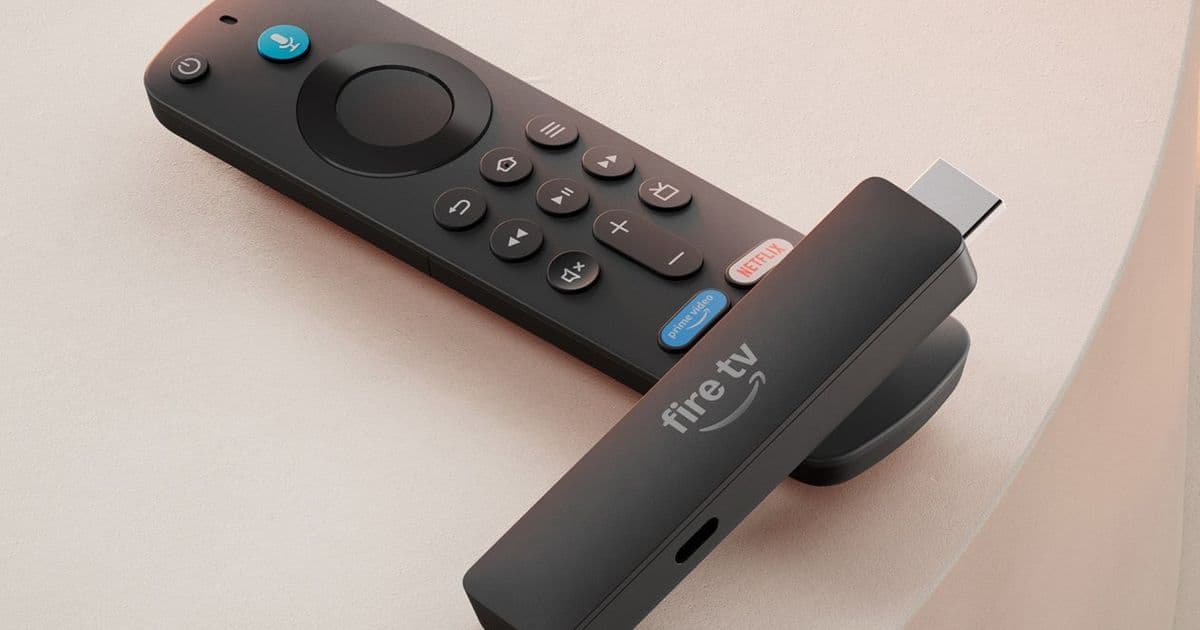
Amazon is phasing out Android-based Fire OS in favor of its custom Vega OS for Fire TV devices, marking a significant shift in the company's media streaming strategy.
Amazon has officially begun the transition away from Android-based Fire OS for its Fire TV devices, with the company confirming that all future Fire TV Sticks will run on its custom Linux-based operating system called Vega OS. This strategic shift represents a significant change in Amazon's approach to its media streaming ecosystem and has important implications for both developers and users.
The Vega OS Transition
The transition began with the release of the Fire TV Stick 4K Select in 2025 and continued with the Fire TV HD in 2026. Both devices shipped with Vega OS instead of the traditional Android-based Fire OS that Amazon had used since the original Fire TV Stick launched over a decade ago. According to Amazon's developer documentation, "Starting with the Fire TV Stick 4K Select, all future Fire TV Sticks will run on Vega."
This move gives Amazon greater control over its software ecosystem, reduces dependence on Google's Android platform, and allows for a more streamlined experience optimized specifically for media streaming. The company hasn't confirmed plans to phase out Fire OS for other devices like the Fire TV Cube or televisions with Fire OS pre-installed, but industry analysts suggest this could be the logical next step after establishing Vega OS on its most affordable streaming devices.
What Vega OS Means for Users
One of the most significant changes with Vega OS is the locked-down nature of the platform. Unlike Fire OS, which allowed for sideloading of Android applications, Vega OS does not support this functionality. This has several implications:
- Reduced third-party app availability: The Vega OS ecosystem currently offers far fewer applications compared to the Android-based Fire OS platform.
- No sideloading support: Users cannot install Android apps from outside the official app store, which was previously possible with Fire OS devices.
- Enhanced content protection: The locked-down nature makes it significantly more difficult to use Fire TV devices for streaming pirated content, addressing a long-standing concern for content rights holders.
From Amazon's perspective, these changes align with their business model. The company sells Fire TV hardware at competitive prices because they expect to generate revenue through Prime subscriptions, Prime Video content, and other services. Users who primarily use the devices for free, unauthorized content don't contribute to Amazon's revenue stream, making them a lower priority for the company.
Technical Advantages of Vega OS
Amazon's decision to develop Vega OS in-house offers several technical benefits:
- Optimized performance: Vega OS can run efficiently on hardware with less RAM compared to Android-based systems, potentially reducing manufacturing costs.
- Reduced bloat: The operating system excludes unnecessary features not required for media streaming, resulting in a more streamlined experience.
- Greater control: Amazon has complete control over the software stack, enabling faster updates and more customized features.
Impact on the Ecosystem
The transition to Vega OS raises questions about the future of Amazon's broader hardware ecosystem. While the company continues to sell several Fire OS-powered devices including the Fire TV Cube, Fire TV Stick 4K, and Fire TV Stick 4K Max, these models are several years old. Industry observers expect Amazon to introduce Vega OS-powered replacements for these devices in the near future.
What About Fire Tablets?
The future of Amazon's tablet lineup remains uncertain. Currently, Amazon's Fire Tablets also run a version of Android-based Fire OS. The company faces a strategic decision:
- Transition to Vega OS: This would align tablets with the Fire TV strategy but could face challenges attracting third-party developers.
- Switch to stock Android: Some industry rumors suggest Amazon might abandon Fire OS entirely and ship tablets with near-stock Android software, similar to how Barnes & Noble recently partnered with Lenovo for tablets that run Android with B&N's bookstore content prominently featured.
Amazon has not confirmed any plans for its tablet strategy, leaving the future of Fire OS on tablets unclear.
Developer Implications
For developers, the shift to Vega OS represents a significant change. Those who previously developed Android apps for Fire OS will need to adapt to Vega OS's different development environment and potentially smaller user base. The reduced ability to sideload apps may also impact how developers distribute their software and reach users.
The transition marks the end of an era for Amazon's media streaming devices and represents a broader trend of tech companies moving away from Android-based systems toward custom solutions that offer greater control and optimization for specific use cases.
Comments
Please log in or register to join the discussion