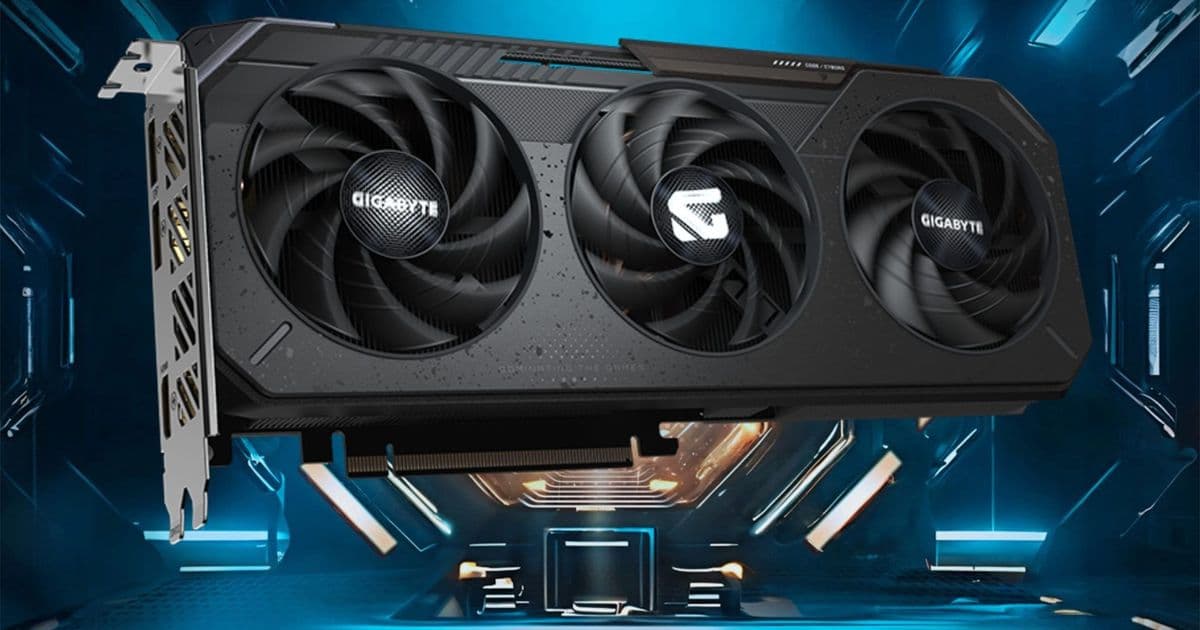
More than a year after its March 2025 launch, AMD's Radeon RX 9070 XT has finally cleared Steam's visibility threshold, landing at position 25 with a 1.35% user share that sits within striking distance of Nvidia's RTX 5080. The full RDNA 4 family is now charted, offering the clearest picture yet of how AMD's latest generation is actually penetrating the gaming installed base.
AMD's complete RDNA 4 desktop lineup has now appeared in the Steam Hardware Survey, with the flagship Radeon RX 9070 XT charting at position 25 and a 1.35% user share. That figure puts the card just behind Nvidia's GeForce RTX 5080, which holds 1.52%, a gap of less than two tenths of a percentage point and a closer race than AMD has managed at the high end in several generations.
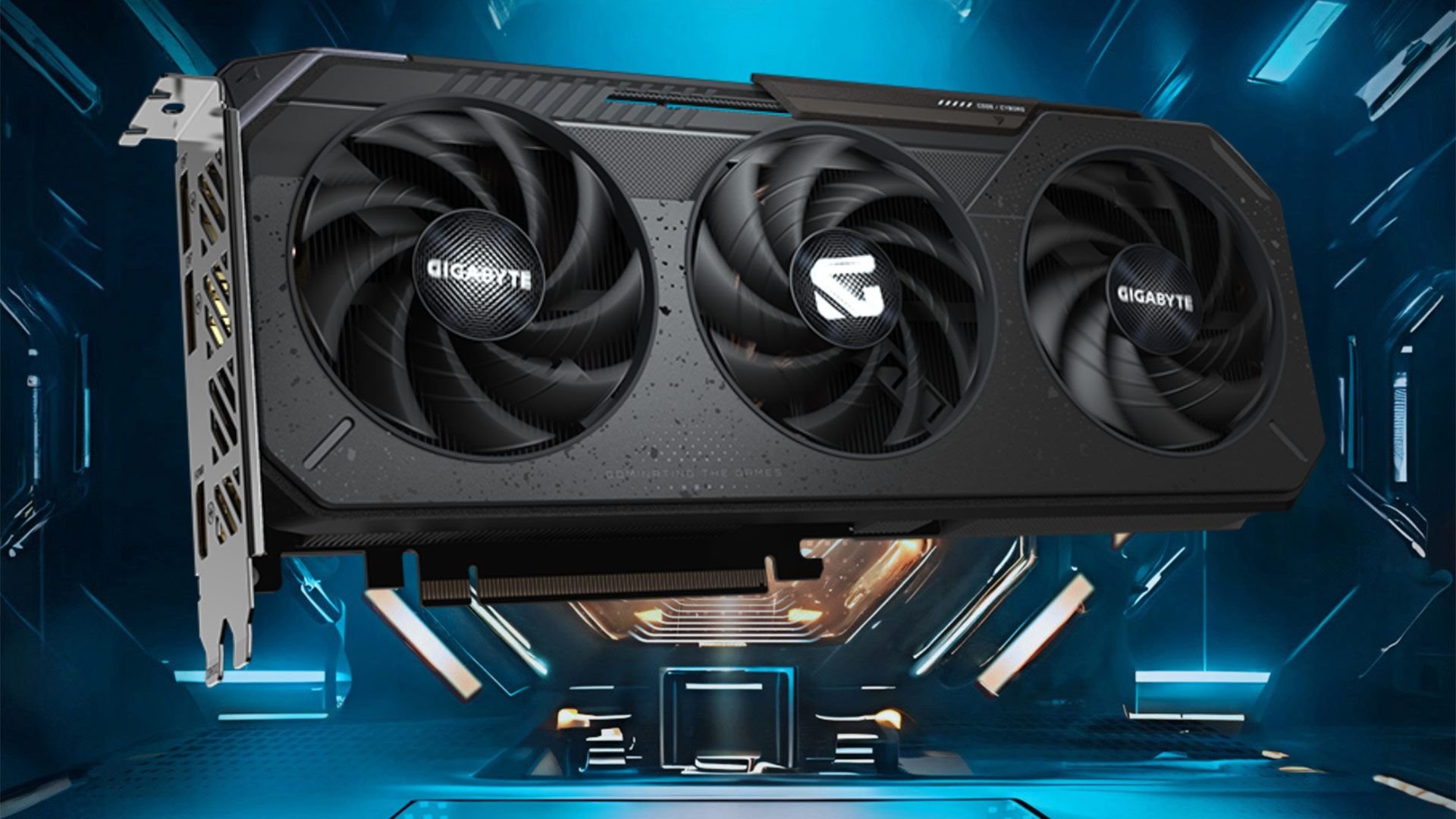
The timing is the notable part. AMD unveiled the RX 9070 XT and the standard RX 9070 at a dedicated event in February 2025, with retail availability beginning in March 2025. The RX 9060 XT followed as a Computex 2025 launch around the end of May. For the leading SKU to take roughly fifteen months to surface in Valve's survey says less about the silicon and more about how the survey works: Steam samples a rotating subset of users, and Valve has never published the minimum share a card must reach to appear in the public table. Whatever the threshold is, the RX 9000 family only crossed it in aggregate by the May 2026 reporting period.
Where the RDNA 4 cards landed
The spread across the family is wide. The RX 9070 XT leads at position 25 with 1.35%. The RX 9060 XT, the mid-range part built on a cut-down Navi 48 die, debuts at position 39 with 0.72%, though Steam does not separate the 8GB and 16GB variants, so that number bundles two meaningfully different products into a single line. The RX 9070 non-XT sits far down at position 90 with 0.18%.
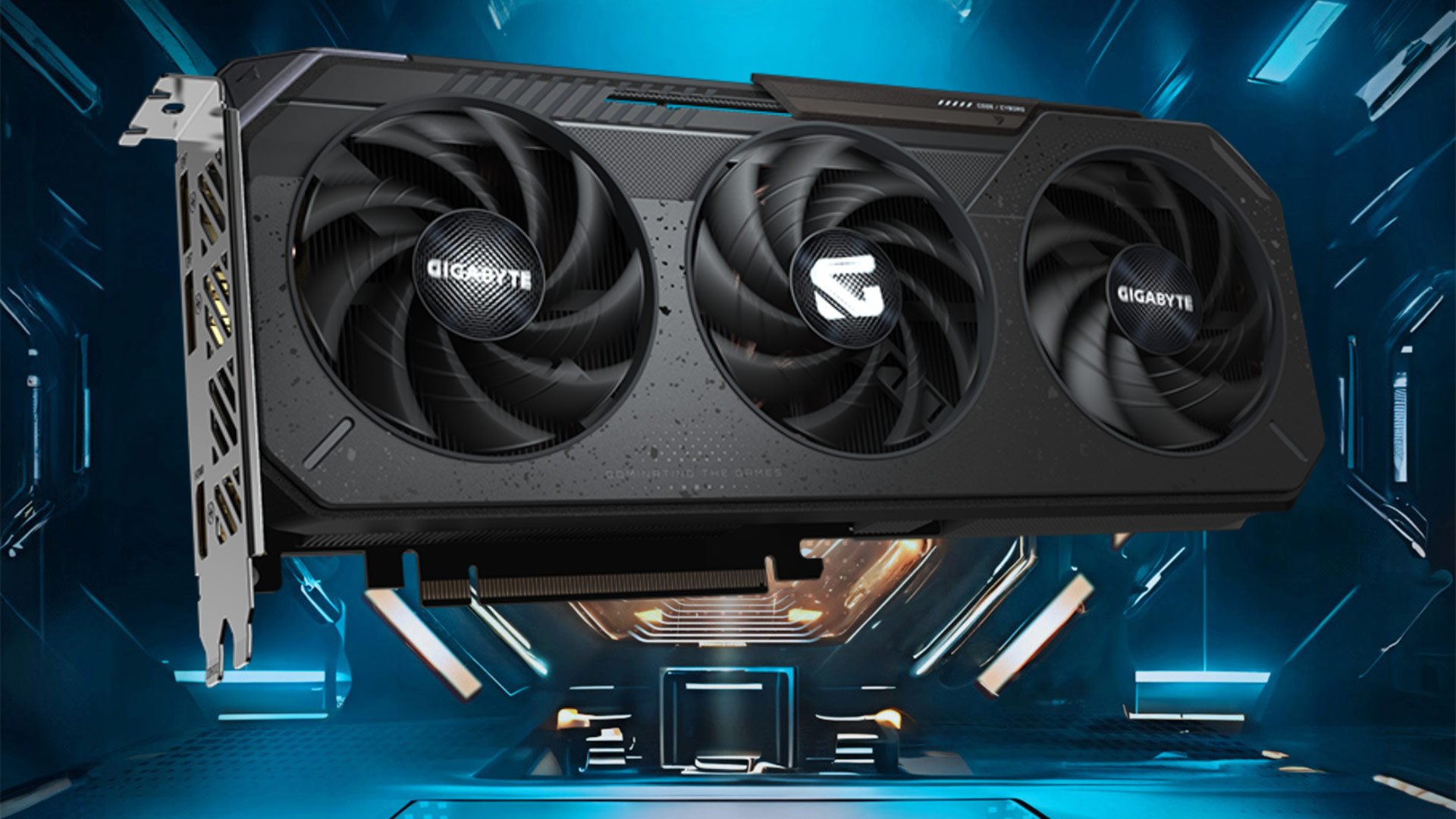
The non-XT's placement is the odd case. It has been present in the survey far longer than its siblings, showing up at 0.16% as early as the start of 2026. The revised 0.18% reading reflects almost no movement, which tracks with the card's market position. Because the RX 9070 XT frequently sells close enough to the non-XT on street pricing, the cheaper card has little room to carve out demand. Buyers willing to spend at that tier tend to stretch for the XT, and the survey data reflects that compression.
Reading the AMD numbers carefully
The single highest-placed Red Team entry is not a named model at all. The generic 'AMD Radeon Graphics' line sits at position 13 with 1.89%, and two additional 'AMD Radeon(TM) Graphics' entries appear elsewhere in the table. The Steam client appears to miscategorize some discrete cards into these catch-all buckets, possibly tied to systems pairing an integrated GPU with a discrete one. The practical effect is that AMD's named-model shares almost certainly understate the company's real footprint, since an unknown slice of those generic entries are discrete Radeon cards that should have been attributed to specific SKUs.
That caveat matters when comparing AMD against Nvidia. Nvidia's dominance of the chart is not in dispute. The aging GeForce RTX 3060 still leads the entire survey at 4.02%, with the laptop RTX 4060 at 3.99% and the desktop RTX 4060 at 3.74% taking the next two spots. By combined volume, the Ada Lovelace RTX 4060 is arguably the most-used gaming GPU in the world. But the gap between AMD's flagship and Nvidia's, when measured at the top of each stack, is narrower than the overall chart dominance suggests.
Market implications
For a generation that AMD positioned around value rather than absolute peak performance, the RX 9070 XT landing within a fraction of the RTX 5080 in active-user share is a reasonable showing. It indicates the card found real buyers rather than sitting on shelves, and it confirms that AMD's strategy of pricing aggressively into the upper-mid and high-end tier translated into installed base, not just launch-day reviews.

What the data does not yet capture is the newly launched RX 9070 GRE, a 12GB variant of the RX 9070 that shipped worldwide after months of availability limited to Asian markets. It has not entered the survey, and given how the non-XT has struggled to gain share, the GRE may take a long time to register if it does at all. For now, the headline is straightforward: RDNA 4 is fully on the board, the flagship is competitive with Nvidia's comparable tier in real-world usage, and the survey's quirks mean AMD's true share is probably a little better than the named entries alone show. More detail on the full results is available through the Steam Hardware Survey and AMD's Radeon RX 9000 series product pages.
Comments
Please log in or register to join the discussion