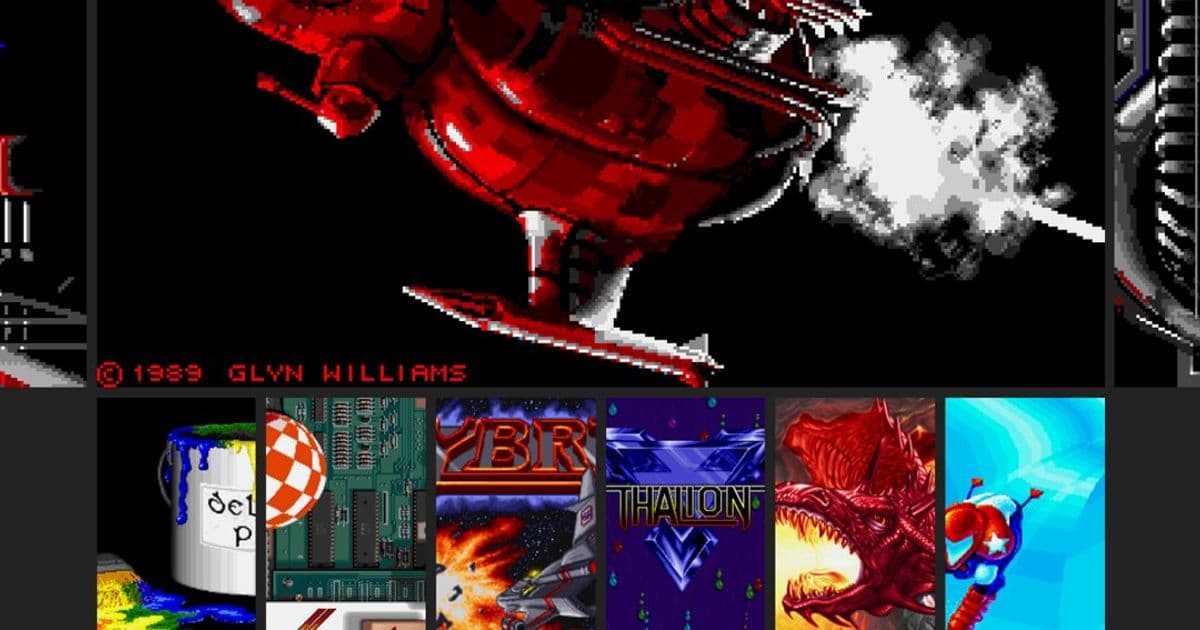
A comprehensive digital archive dedicated to Commodore Amiga graphics showcases the groundbreaking visual capabilities that defined an era of personal computing innovation.
The Commodore Amiga, launched in 1985, represented a quantum leap in personal computer graphics capabilities that would influence digital art for decades to come. This revolutionary machine featured an intricate collection of custom chips that enabled visual effects previously impossible on other home computers of the era. The Amiga Graphics Archive serves as a digital museum dedicated to preserving and celebrating the remarkable artwork created with or for this groundbreaking platform.
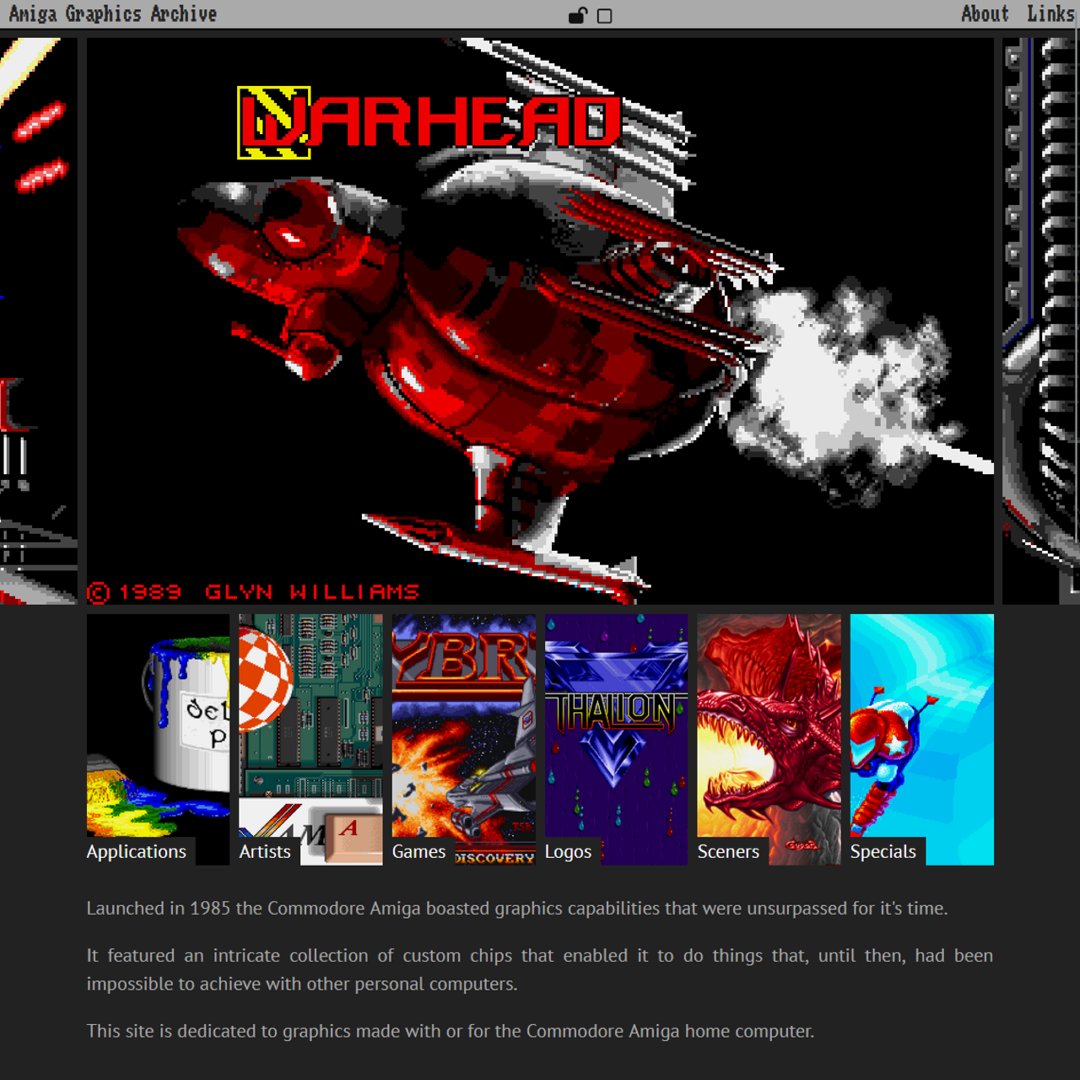
The archive's scope extends far beyond simple image collection. It encompasses applications, artists, games, logos, publications, sceners, and special collections that together paint a comprehensive picture of the Amiga's visual culture. The site's organization reflects the diverse ecosystem that flourished around the Amiga, from professional game developers to hobbyist pixel artists who pushed the hardware to its limits.
Recent updates to the archive demonstrate the ongoing nature of this preservation effort. In April 2026, curator LyCheSis discovered several very old images by Jo-Anne Park, including C64 versions that reveal her artistic progression as she transitioned to the Amiga platform. This kind of cross-platform discovery helps illustrate how artists evolved their techniques as they gained access to more powerful hardware.
The archive's update history reads like a timeline of Amiga graphics history. March 2026 was designated "single image month," focusing on adding individual pieces that didn't fit into larger collections or filling gaps from previous updates. This methodical approach ensures that even smaller contributions to the Amiga graphics scene receive proper documentation and preservation.
One particularly interesting update from January 2025 involved adding a collection of images from CU Amiga magazine, complete with scans from their Art Gallery section. This rabbit hole of discovery highlights a common challenge in digital preservation: finding original versions of artwork that was often distributed only in printed form during the 1980s. The difficulty of locating original files from this era underscores the importance of archives like this one.
The technical aspects of Amiga graphics receive special attention in the archive. A July 2025 update added a large selection of color cycling images, each demonstrating fascinating techniques for achieving astonishing animations through simple color palette manipulation. The curator even developed a new color cycling converter capable of better fitting these animations into loopable sections and handling interlaced images - a testament to the ongoing technical work required to preserve and present these historical artifacts properly.
Game graphics feature prominently in the collection, with updates covering everything from level graphics in games like Starray to comparisons between Amiga and Atari ST versions. The Starray update from January 2025 is particularly noteworthy because it revealed that the Atari ST version actually managed to improve upon the Amiga version despite being technically at a disadvantage - a fascinating example of how artistic skill could sometimes overcome hardware limitations.
The archive also documents the evolution of the Amiga scene itself. An October 2023 update changed the ordering for sceners so that images are now shown from new to old, reflecting the ongoing activity in the Amiga community. Artists like Facet, who has been productive in recent years, demonstrate that the Amiga graphics scene continues to evolve even as it looks back on its history.
Publication-based collections form another crucial component of the archive. The addition of images from German Amiga Magazin, particularly winning entries from their regular graphics competitions, provides insight into the competitive and creative environment that drove innovation in the Amiga scene. The curator notes that while submissions in the 1980s were mostly hand-crafted pixel art, the 1990s saw an increase in 3D renderings and photo collages as cover disks and CD-ROMs became more common distribution methods.
The technical specifications of the archive site itself reflect modern web standards while honoring the legacy of the platform it documents. Multiple resolution options ranging from 360px to 2160px ensure accessibility across different devices, while the site is powered by 11ty, a modern static site generator that provides the performance and flexibility needed for such a comprehensive collection.
Copyright considerations are handled thoughtfully, with images credited to their respective owners where possible. The curator maintains open communication channels for addressing any issues or suggestions, demonstrating a commitment to responsible digital preservation that respects the rights of original creators while making this important cultural heritage accessible to researchers, artists, and enthusiasts.
The Amiga Graphics Archive represents more than just a collection of pretty pictures from a bygone era. It serves as a crucial repository of digital art history, preserving techniques, styles, and creative approaches that emerged during a pivotal moment in computing history. As modern digital artists continue to rediscover and draw inspiration from pixel art and the limitations that shaped it, archives like this one provide invaluable resources for understanding where these artistic traditions came from and how they continue to influence contemporary digital creativity.
Comments
Please log in or register to join the discussion