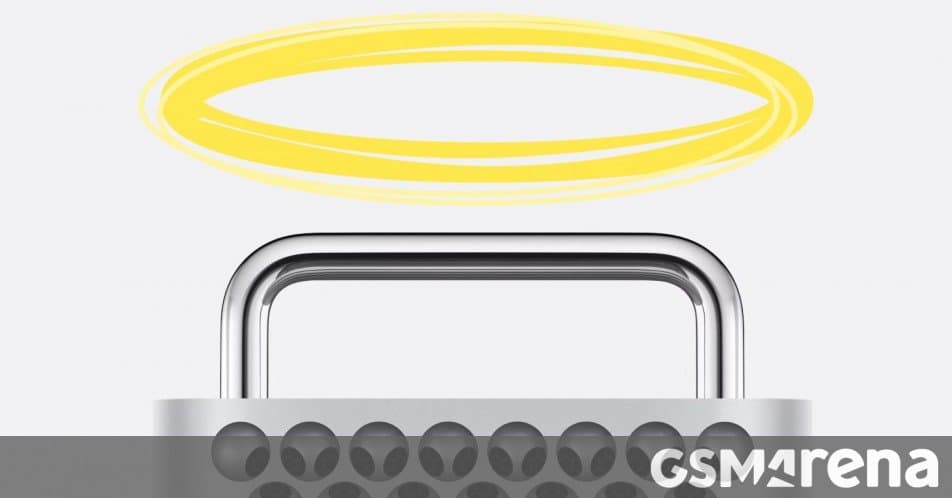
Apple has discontinued the Mac Pro, ending a 20-year run for its flagship desktop computer that evolved from a modular tower to a controversial trashcan design before its final cheese-grater iteration.
Apple has discontinued the Mac Pro, ending a 20-year run for its flagship desktop computer that evolved from a modular tower to a controversial trashcan design before its final cheese-grater iteration. The company has removed the product from its website, marking the end of an era for professional desktop computing at Apple.
The Mac Pro first launched in 2006 as a replacement for the Power Mac G5, maintaining the desktop tower PC format with a modular design that allowed users to replace the CPU, memory, optical and storage drives, and PCI expansion cards. This basic format remained largely unchanged until 2012, even as the design began showing its age compared to newer computing architectures.
In 2013, Apple introduced what became known as the "trashcan" Mac Pro, a radical redesign that abandoned the modularity of previous tower designs for a more compact, integrated component approach. This model limited upgradeability to memory and storage only, representing a significant philosophical shift in Apple's approach to professional computing hardware.
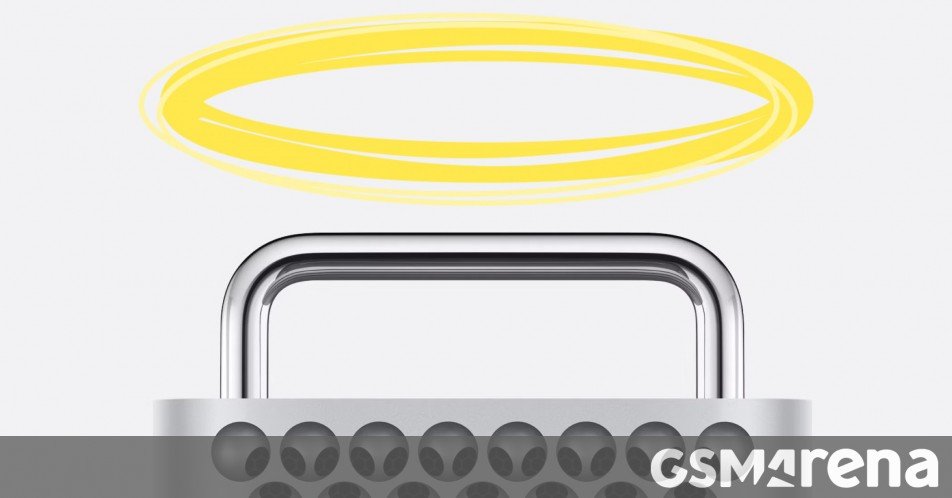
However, the trashcan design proved controversial and was eventually abandoned due to thermal limitations that prevented upgrading to more powerful components. In 2019, Apple returned to a modular design philosophy with the third and final major iteration, dubbed the "cheese grater" for its distinctive perforated aluminum enclosure. This model allowed users to replace everything except the CPU, marking a return to the upgrade-friendly approach of the original Mac Pro.

The 2019 Mac Pro was one of the final Intel-based computers Apple released before transitioning to its own in-house ARM-based M-series chips. The Mac Pro received its M-series update in 2023 with the switch to the M2 Ultra, which would be its final update. Despite maintaining modularity, the switch to Apple silicon limited the types of devices that could be plugged into the PCI expansion slots, reducing the computer's appeal to enthusiasts and professionals who relied on those expansion capabilities.
According to Mark Gurman, Apple had been planning to discontinue the Mac Pro for some time. The product had become increasingly difficult to justify in Apple's lineup, serving as a large, expensive enclosure with significant empty internal space that couldn't be effectively utilized. The Mac Studio, introduced as a more compact alternative, has since become Apple's flagship desktop computer, offering comparable performance in a smaller form factor.
Apple's decision reflects a broader shift away from modularity and upgradability in its computer designs. Modern Macs prioritize integration, thermal efficiency, and space optimization over user-serviceable components. The Mac Pro, with its emphasis on expansion and customization, represented an increasingly anachronistic approach to professional computing within Apple's ecosystem.
While the Mac Pro is no longer available, it leaves behind a legacy as an industry icon. Its evolution from the original tower design through the controversial trashcan era to the final cheese-grater iteration represents Apple's changing philosophy on professional computing hardware. The Mac Pro will be remembered for its distinctive aesthetics, the performance it delivered to professionals, and its role in pushing the boundaries of what desktop computing could achieve.
For professionals who relied on the Mac Pro's unique combination of power and expandability, Apple now points to the Mac Studio as its most powerful desktop offering. However, the discontinuation marks the end of a specific vision of professional computing that valued user upgradeability and expansion above all else.
Comments
Please log in or register to join the discussion