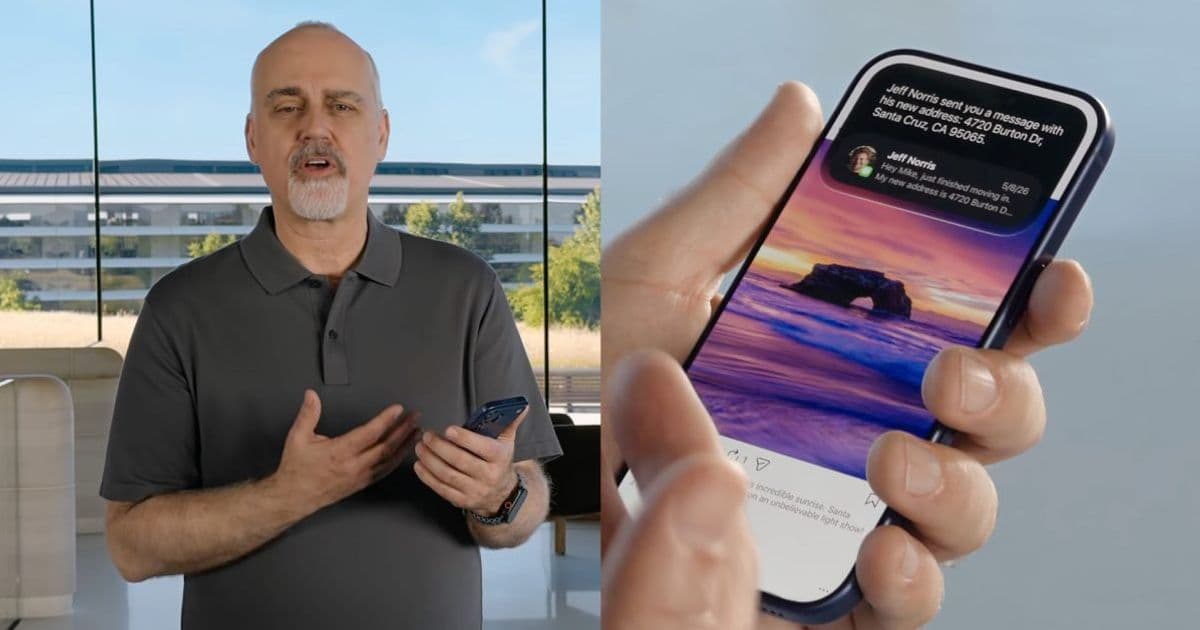
Apple's WWDC 2026 keynote showed the new personalized Siri running with visible lag, but those delays are the most reassuring thing about it. After the 2024 concept-video debacle, Apple shot the demos in real-time single takes on real hardware, signaling features that actually exist.
Apple spent WWDC 2026 trying to undo the damage of WWDC 2024, and the most telling evidence is something that looks like a flaw: the new personalized Siri demos were slow. Several seconds passed between a voice request and the on-screen action. For developers who track Apple Intelligence as a moving platform target, that lag is the good news, not the bad news.
What actually changed since 2024
Go back two years. At WWDC 2024, Apple presented a "personalized Siri" that could pull context across your apps, understand on-screen content, and chain actions together through App Intents. The problem was that none of it was real. The presentation was a concept video, not a working demo. Apple eventually pulled the video, publicly acknowledged the features were delayed, and settled a $250M false-advertising lawsuit. As 9to5Mac's Ben Lovejoy put it, concept videos are a sign of a company in disarray.
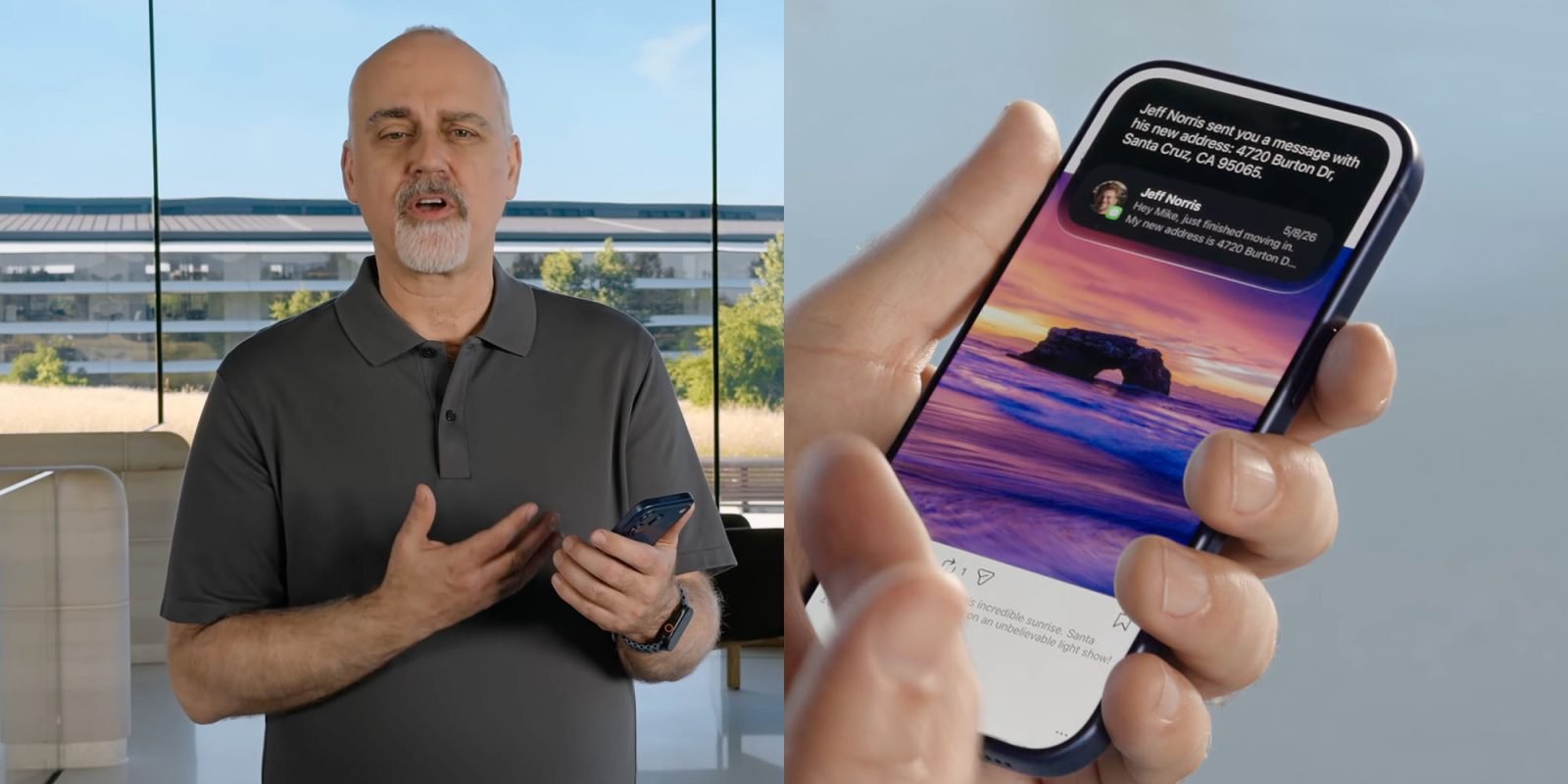
This year's demos were different in a way that matters technically. They were pre-taped but, as TechCrunch noted, conducted in real time. Someone stood holding a phone, pressed buttons or issued voice commands, and a second camera captured the device's actual response. John Gruber observed that there were no cuts between individual demos. Most were single takes running multiple requests back-to-back. You cannot fake a single-take multi-step demo the way you can storyboard a concept video. The latency you see is the latency the model produces.
Apple's Craig Federighi's team confirmed the demos were filmed ahead of the keynote on an older build, and that current and launch builds are faster. "You ask those same questions to it now, it'll be faster, and at launch it will be faster still," Joz said. That is a normal thing to say about software that exists and is still being optimized. It is not a thing you say about a render.
Why the latency is a developer signal
The slowness points to how the new Siri is architected. The personalized Siri leans on on-device and Private Cloud Compute model inference combined with the semantic indexing of your personal context and App Intents resolution. Each of those steps costs time:
- Parsing the natural-language request and resolving it to an intent
- Querying the personal semantic index for relevant context (messages, photos, calendar entries)
- Routing to either an on-device model or Private Cloud Compute depending on complexity
- Executing the resolved App Intent and rendering the result
When you see a multi-second pause, you are watching that pipeline run, not a network round-trip to a marketing server. For anyone building App Intents into an iOS app, this is the more useful version of the announcement. The platform that consumes your intents is real enough to demo unedited, which means the entitlements, the parameter resolution, and the donation APIs you wire up now have a runtime that actually calls them.
What this means for cross-platform teams
If you maintain an app on both iOS and Android, the practical takeaway is about timing your investment. Android's side of assistant integration runs through App Actions and the Gemini ecosystem, where Google has shipped working assistant hooks for several release cycles. Apple's equivalent surface has been a promise since 2024. The shift from concept video to unedited demo is the first solid evidence that building deep Siri integration this cycle is worth the engineering time rather than a bet on vaporware.
That does not mean parity. The two platforms expose intents differently, and you still maintain separate intent definitions, separate testing surfaces, and separate privacy disclosures. But the risk calculus on the Apple side just improved. A year ago, scoping work against personalized Siri meant scoping against a video. Now it means scoping against something Apple was willing to run live on stage in one take.
The broader lesson is one mobile developers already know from shipping their own apps. A demo that runs a little slow but runs for real is worth more than a flawless render of something that does not exist yet. Apple learned that the expensive way, through a deleted video and a quarter-billion-dollar settlement. The lag in this year's keynote is the sound of a company demoing software instead of selling a concept.
Comments
Please log in or register to join the discussion