Asteroid 2024 YR4, once thought to have a 4.3% chance of hitting the Moon in 2032, has been ruled out as a threat after refined orbital measurements using JWST data.
Scientists have confirmed that asteroid 2024 YR4 will not impact the Moon on December 22, 2032, after refining its orbital measurements using data from the James Webb Space Telescope (JWST). The probability of a lunar impact has been reduced from 4.3 percent to 0.0 percent, with the asteroid instead passing approximately 13,200 miles (21,200 km) from the lunar surface.
The asteroid, discovered in 2024, initially raised concerns when scientists estimated it had a 1-in-100 chance of hitting Earth. While those fears were eventually allayed, the possibility of a lunar impact remained until recent observations provided clarity.
How JWST tracked an asteroid from billions of light-years away
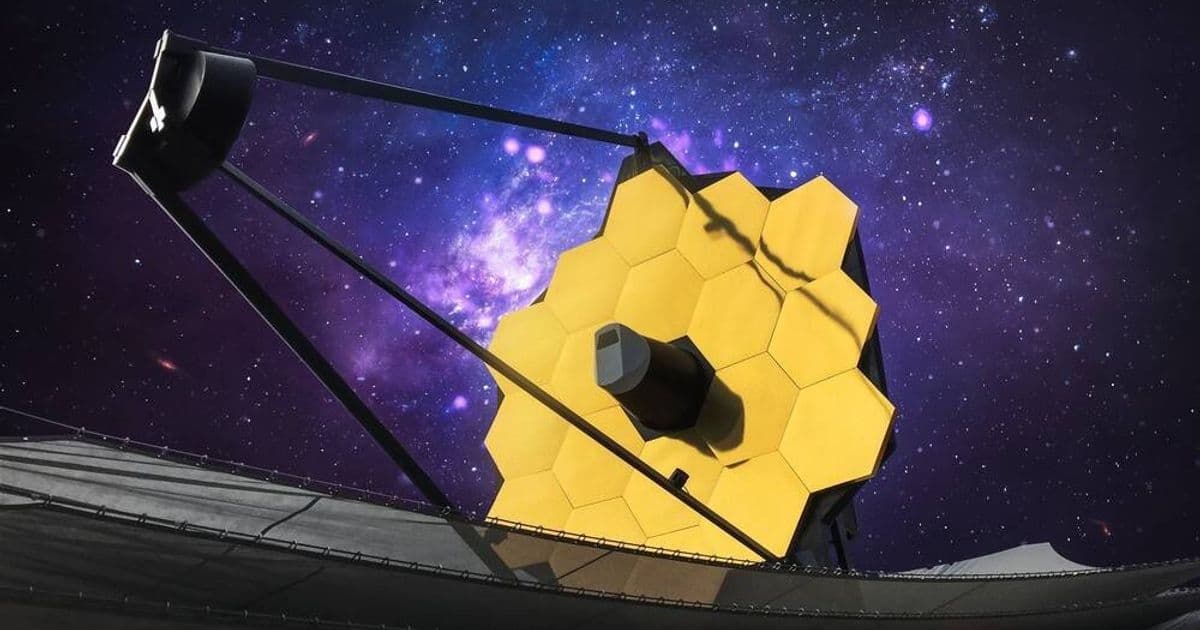
The key to ruling out the lunar impact came from observations made by the James Webb Space Telescope on February 18 and 26, 2025. These observations were among the faintest ever made of an asteroid, according to NASA.
"Using the new data, scientists were able to refine the orbit of 2024 YR4 further and calculated it won't create a new crater on the Moon in 2032," the European Space Agency (ESA) explained in a statement.
What makes this achievement particularly noteworthy is that JWST is designed to study galaxies and other cosmic structures billions of light-years away. Its field of view is very small, making asteroid tracking a challenging task. The telescope had not been observable from Earth or most space-based observatories since last spring in the Northern Hemisphere.
ESA noted that "an international team of astronomers identified two narrow opportunities in February 2026 in which they believed that Webb may be able to detect the faint speck against a sparse backdrop of stars whose positions are very well known thanks to the work of ESA's Gaia mission."
The importance of planetary defense
While asteroid 2024 YR4 poses no danger to Earth or the Moon, the successful tracking and orbit refinement demonstrates the capabilities of current planetary defense systems. The European Space Agency emphasized that "The Planetary Defence team in ESA's Space Safety Programme continues to detect and track near-Earth objects to ensure that if a genuine danger ever emerges, we will not be caught unaware."
This case highlights the importance of continuous monitoring and the international collaboration between space agencies. The refined measurements came from both ESA's Near-Earth Object Coordination Centre and NASA's Center for Near-Earth Object Studies, showcasing how shared data and resources improve our understanding of potential threats.
What happens next with asteroid 2024 YR4?
Although 2024 YR4 is no longer considered a threat, scientists will continue to monitor its trajectory. The asteroid's close approach to the Moon in 2032 will still provide valuable data for researchers studying near-Earth objects and their interactions with celestial bodies.
For now, humanity and its lunar neighbor can rest easy knowing that this particular space rock won't be creating any new craters in the near future. The successful use of JWST for asteroid tracking also opens up new possibilities for future observations of faint, fast-moving objects in our solar system.
The case of asteroid 2024 YR4 serves as a reminder of both the potential threats from space and the remarkable capabilities we've developed to detect and track them. As our technology continues to advance, we can expect even more precise measurements and earlier warnings of any future celestial hazards.
Comments
Please log in or register to join the discussion