
Microsoft has delivered a significant refresh to the Azure Arc portal, redesigning the landing page, unifying the machine onboarding flow, and enhancing dashboards to provide actionable insights. This update directly addresses the complexity of managing hybrid and multi-cloud environments by making the onboarding process more intuitive and the management interface more actionable, allowing organizations to scale their Arc-enabled resources more effectively.
Microsoft has announced a major update to the Azure Arc portal, focusing on simplifying the onboarding process and improving management capabilities at scale. This refresh is a direct response to the growing complexity of hybrid and multi-cloud environments, where organizations need to manage resources across on-premises data centers, multiple cloud providers, and edge locations. The core goal of this update is to reduce the friction that often accompanies adopting and managing Azure Arc, making it easier for teams to extend Azure's governance, security, and management capabilities to their distributed infrastructure.
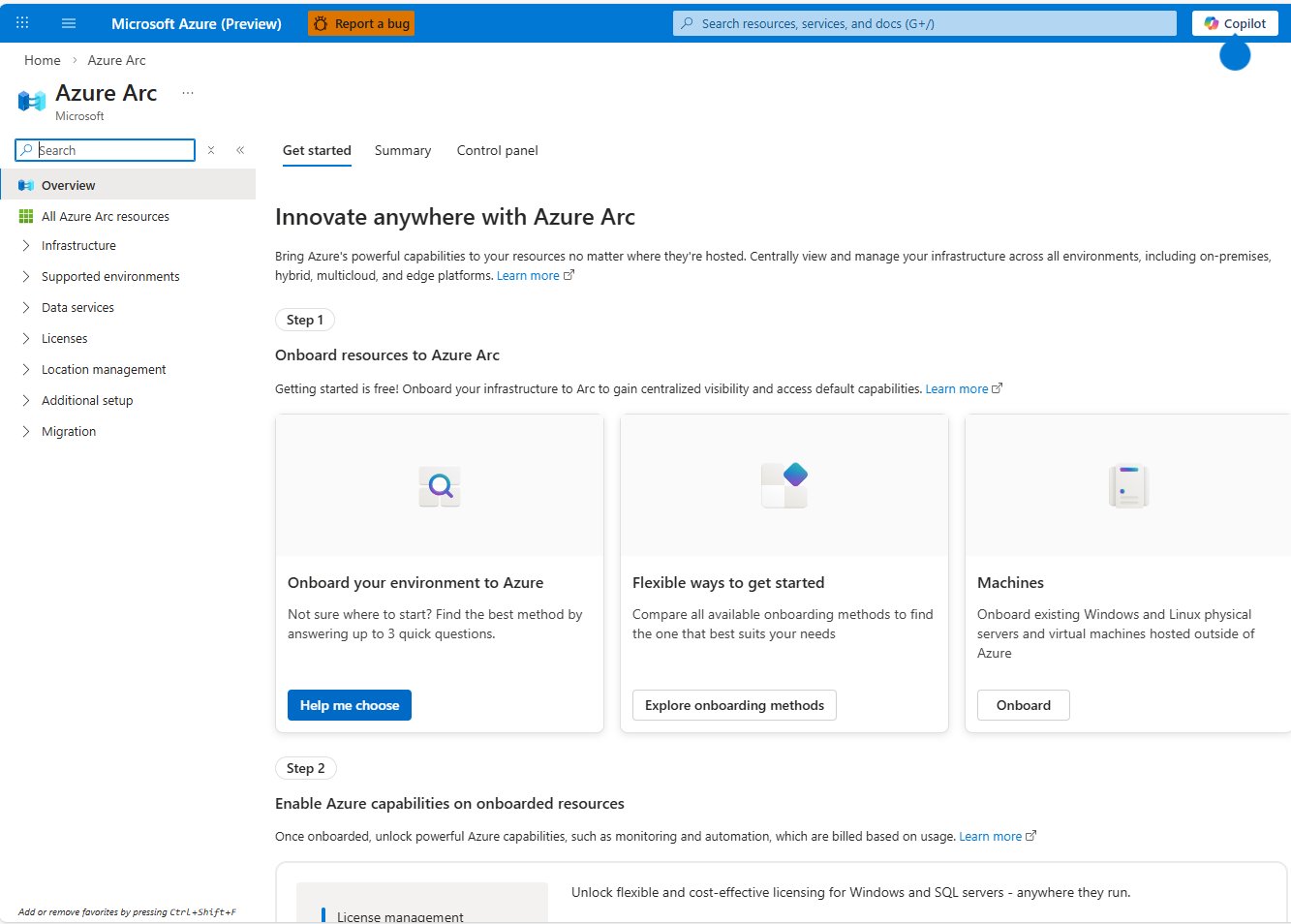
What Changed: A Redesigned Portal Experience
The Azure Arc portal serves as the central management hub for resources running outside of Azure. The latest update introduces several key changes aimed at improving learnability, discoverability, and overall user experience.
Improved Learnability & Discoverability
Previously, the breadth of supported resource types and onboarding methods could make the initial experience feel complex. The redesigned portal addresses this with a more guided approach:
- Redesigned Landing Page: The new landing page presents onboarding options side-by-side, allowing users to quickly compare and identify the best path for their specific scenario. This visual comparison helps demystify the choices available, whether you're working with servers, Kubernetes clusters, or data services.
- Guided Onboarding Questionnaire: Instead of presenting a static list of options, the portal now features an interactive questionnaire. This tool asks about your environment (e.g., number of machines, cloud providers, management goals) and provides tailored recommendations. This contextual guidance helps users move from exploration to execution with greater confidence, reducing the risk of selecting an inappropriate onboarding method.
- Refreshed Navigation: Based on user research, the menu bar has been reorganized into clearer groups. This restructuring aligns with the most common tasks users perform, such as onboarding new resources, viewing connected assets, and configuring policies. The result is a more intuitive navigation structure that helps users discover key Arc capabilities faster.
Unified Machine Onboarding
One of the most significant pain points in the previous experience was the need to choose from five different onboarding methods for servers and virtual machines, often before fully understanding which was best suited for the environment. The update streamlines this into a single, unified flow.
The new onboarding process captures contextual information dynamically as you proceed, rather than requiring all decisions upfront. This creates a consistent and intuitive experience that works smoothly across all machine types and environments, whether they are physical servers, virtual machines on-premises, or VMs in other clouds like AWS or Google Cloud. This unification reduces the cognitive load on the user and minimizes the chance of errors during the initial setup.
More Actionable Arc Portal Dashboards
Once resources are onboarded, effective management is critical. The update moves the portal dashboards beyond simple visibility to provide actionable insights that drive operational improvements.
- Adaptive Summary: The service capability cards are now dynamic. They respond to your current configuration and surface smart call-to-action prompts. For example, if a connected machine lacks a specific security extension, the card might suggest installing it directly from the dashboard. This adaptive nature guides users forward in their Arc journey, turning the portal into a proactive assistant rather than a passive list of resources.
- Actionable Control Panel: Key tiles for Agent Connectivity, Secure Score, and Policy Compliance have been redesigned for better readability and faster interpretation. More importantly, the call-to-action logic has been enhanced. The Control Panel is transformed into a true action center, allowing users to quickly move from seeing a problem (like a low Secure Score) to taking meaningful remediation steps (such as applying a recommended policy or installing a security agent).
Provider Comparison and Strategic Implications
This update strengthens Azure Arc's position in the competitive landscape of hybrid cloud management platforms. When compared to alternatives like AWS Outposts or Google Anthos, Azure Arc's value proposition has always been its agent-based model, which allows for the management of a wider variety of resources without requiring dedicated hardware. The portal update directly enhances this value by lowering the barrier to entry and improving day-two operations.
Pricing Considerations: The portal updates themselves do not change the underlying Azure Arc pricing model, which is based on the number of connected servers and Kubernetes clusters. However, by simplifying onboarding and management, the update can indirectly reduce operational costs. The time saved on troubleshooting onboarding issues or navigating complex dashboards translates into lower labor costs for IT teams. Organizations should still carefully review the Azure Arc pricing page to understand the cost implications of scaling their connected infrastructure.
Migration and Onboarding Strategy: For organizations considering a migration to a hybrid model, this update makes Azure Arc a more compelling option. The guided onboarding questionnaire can serve as a planning tool, helping teams assess their environment and choose the most efficient path forward. The unified onboarding flow reduces the complexity of bringing existing on-premises assets under Azure management, which is a common hurdle in hybrid cloud adoption.
Business Impact: From Complexity to Control
Hybrid and multi-cloud environments are inherently complex, but managing them doesn't have to be. The business impact of this portal update is multifaceted:
- Accelerated Adoption: By reducing the initial learning curve and simplifying the onboarding process, organizations can onboard resources faster. This accelerates the time-to-value for Azure Arc, allowing businesses to apply Azure's governance, security, and management capabilities to their distributed assets more quickly.
- Improved Operational Efficiency: The actionable dashboards and adaptive summaries help IT teams prioritize their efforts. Instead of sifting through data to find what needs attention, they can immediately see recommended actions. This shifts the operational model from reactive monitoring to proactive management, potentially reducing downtime and improving security posture.
- Scalability at Scale: The updates are designed with scale in mind. The unified onboarding flow and intuitive navigation make it feasible to manage thousands of connected resources without a proportional increase in management overhead. This is critical for large enterprises with extensive hybrid footprints.
- Reduced Skill Gap: The guided experience lowers the specialized knowledge required to get started with Azure Arc. Junior administrators or teams with less Azure-specific experience can now onboard and manage resources effectively, reducing dependency on a small group of experts.
Getting Started with the Updated Azure Arc Portal
To experience the new portal, users can sign in directly to the Azure Arc portal. The updates are available immediately for all users.
For organizations looking for a structured approach to deployment, Microsoft provides comprehensive guidance:
- Azure Arc documentation: The official documentation has been updated to reflect the new portal experience, providing step-by-step instructions for all onboarding methods.
- Plan and deploy Azure Arc-enabled servers at scale: This specific guide is invaluable for large-scale deployments, offering best practices for planning, security, and automation.
The focus on simplicity and actionability in this update underscores a broader trend in cloud management: as infrastructure becomes more distributed, the tools to manage it must become more intelligent and user-centric. Azure Arc's portal refresh is a tangible step in that direction, aiming to turn the complexity of hybrid cloud into a manageable, and ultimately, strategic advantage.
Comments
Please log in or register to join the discussion