Pop Mart sues Bambu Lab over copyright infringement on MakerWorld platform, marking first case where 3D printing repository faces legal action for user content.
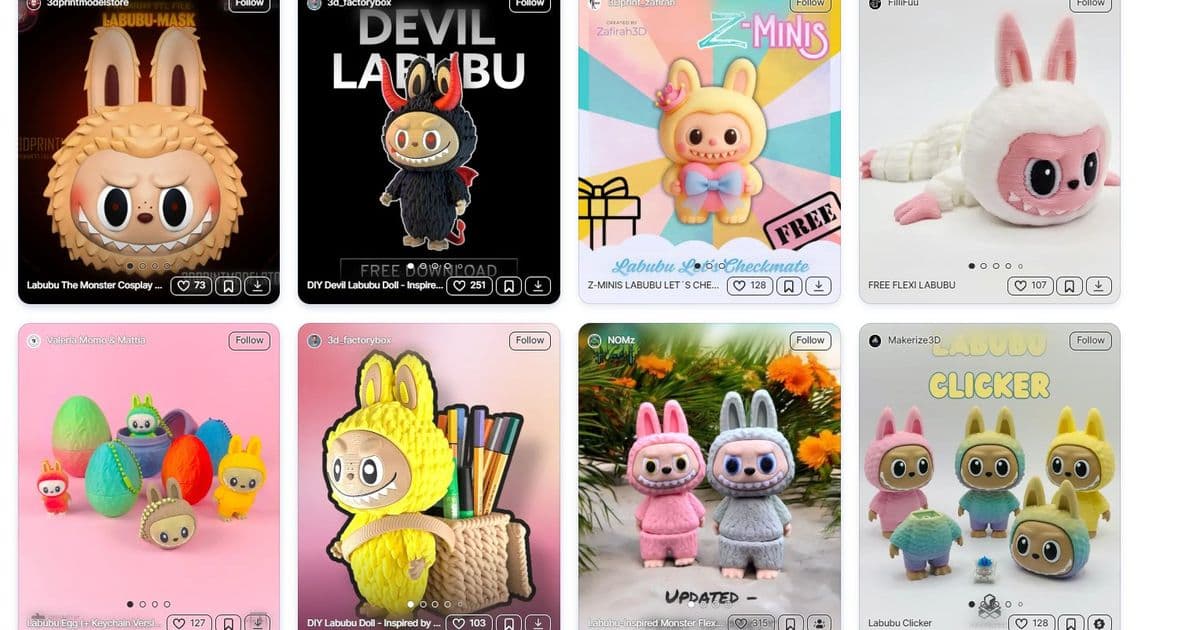
Bambu Lab, the prominent 3D printer manufacturer, is facing a landmark intellectual property lawsuit from Chinese toymaker Pop Mart over unauthorized Labubu doll models uploaded by users to its MakerWorld platform. The case, scheduled for April 2nd, represents a significant escalation in the ongoing battle over copyright enforcement in the 3D printing community.
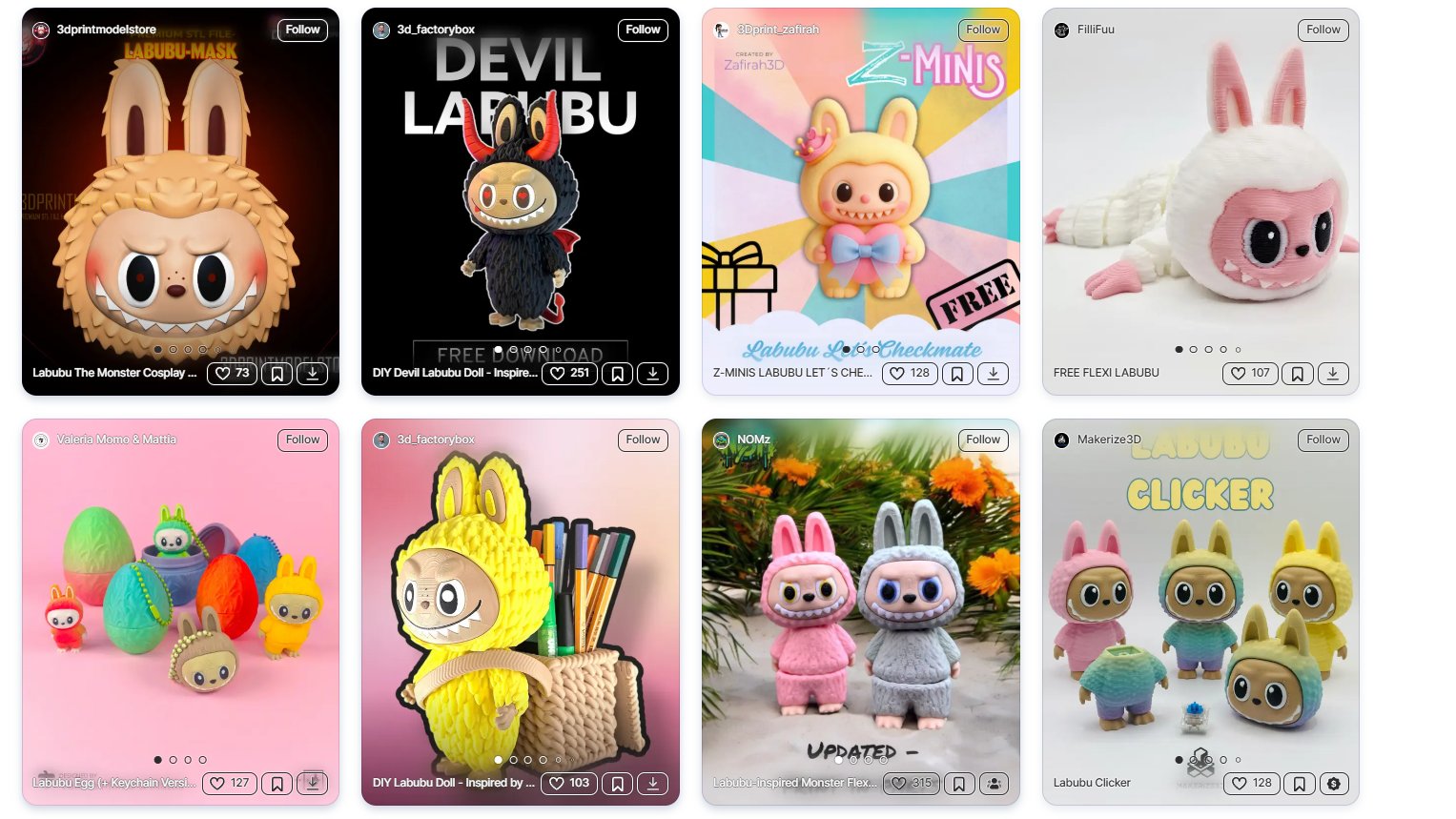
Unlike previous copyright disputes that targeted individual models or designers, this lawsuit marks the first time a 3D printing platform itself has been named as a defendant in court. Pop Mart alleges that MakerWorld facilitated widespread copyright violations by allowing users to share and download unauthorized Labubu designs, despite Bambu Lab not creating or uploading any of the infringing content itself.
The timing of the lawsuit is particularly noteworthy given Bambu Lab's recent efforts to combat IP infringement. The company had just launched its Creator Copyright Protection Service, designed to help exclusive designers report unauthorized uploads across platforms. This proactive approach, however, did not prevent the legal action from moving forward.
In response to the lawsuit, Bambu Lab has taken aggressive action to remove all Labubu-related content from MakerWorld. The automated takedown process, however, created significant collateral damage. Dozens of unrelated user files were inadvertently delisted alongside the targeted Labubu knockoffs, including locksmithing tools, printer modifications, cable clips, and paint brush holders.
A Reddit user whose locksmithing tools were removed received this response from Bambu Lab: "After looking into this with the relevant team, we've learned that some models were accidentally delisted due to an operational error on MakerWorld. We sincerely apologize for any inconvenience this has caused. We'd also like to let everyone know that most of the affected models have now been restored. If your model is still missing, please submit a support ticket so our team can help resolve it for you as quickly as possible."
Similar complaints flooded Bambu Lab's Community Forum, with users reporting a "bevy of innocent models" caught in the mass takedown. The incident highlights the challenges platforms face when attempting to balance copyright compliance with user experience.
Interestingly, while Labubu content has been purged from MakerWorld, similar knockoff models remain available on Western platforms including Printables, Thangs, Thingiverse, MyMiniFactory, and Cults. This geographic disparity in enforcement reflects the unique status of Labubu in the Chinese market.
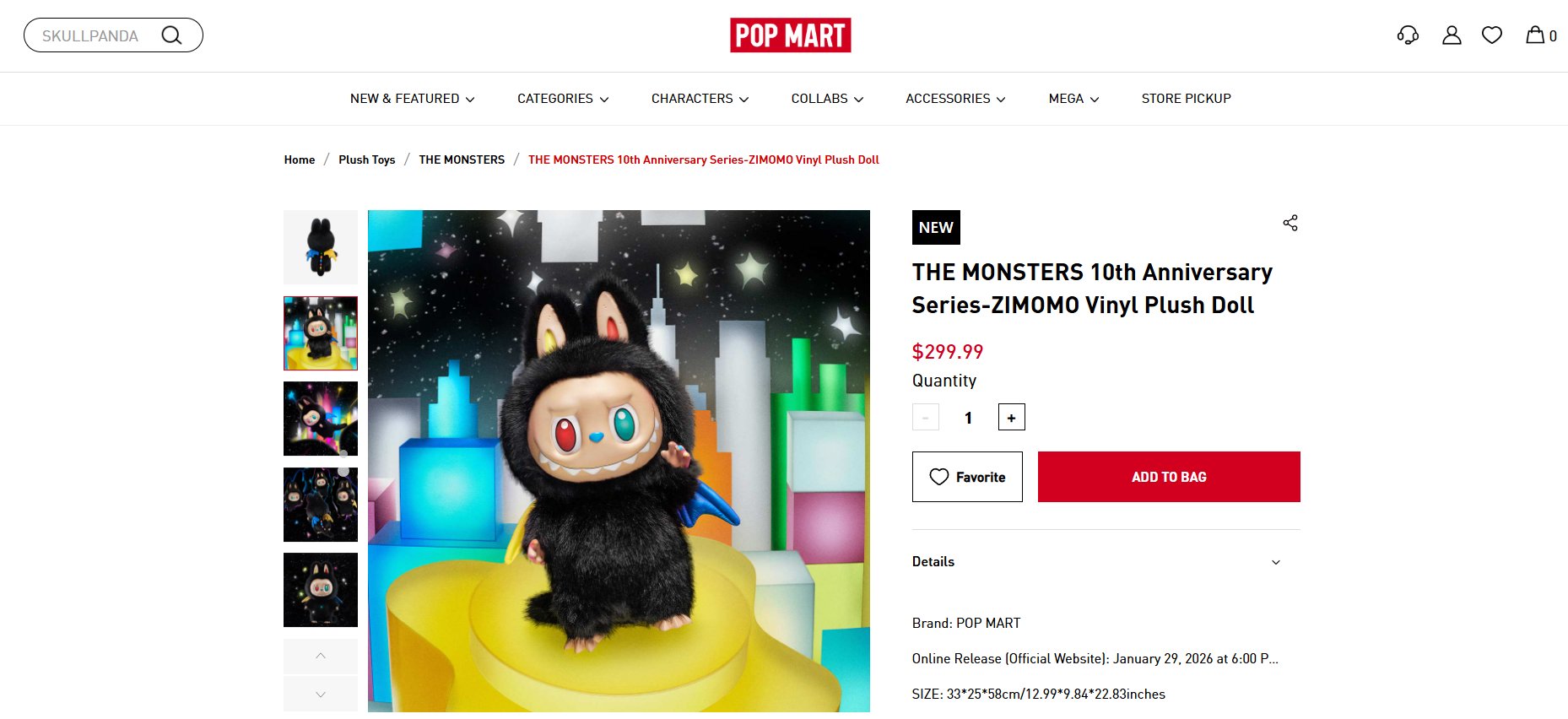
Labubu dolls, created by artist Kasing Lung, became a viral sensation in 2023, driven by social media hype and celebrity endorsements. The "so ugly they're cute" characters are sold in limited-edition blind boxes and have spawned a lucrative secondary market with inflated prices. Unlike many internet fads, Labubu represents a wholly Chinese intellectual property, which appears to have garnered special protection from Chinese authorities.
Pop Mart's aggressive stance against counterfeits, even in the form of 3D printed models, may be motivated by more than just copyright protection. According to Futubull, Pop Mart's stock prices have been declining as the Labubu craze wanes. The company may be attempting to reinvigorate brand value by cracking down on all forms of unauthorized reproductions.
This case could set a significant precedent for the 3D printing industry. If Pop Mart succeeds in holding MakerWorld liable for user-generated content, it may force other platforms to implement more stringent content moderation policies or face similar legal exposure. The outcome could fundamentally alter how 3D printing communities operate and share designs.
For now, the legal battle remains confined to the Chinese court system, but its implications could ripple across the global 3D printing ecosystem. As platforms grapple with the balance between open sharing and copyright compliance, this case may become a defining moment in the evolution of digital manufacturing and intellectual property rights.
The case also raises questions about the future of fan art and derivative works in the 3D printing space. While many in the community have traditionally viewed "fan art" as harmless creative expression, this lawsuit demonstrates that rights holders are increasingly willing to pursue legal action, even against platforms that merely host user content.
As the April 2nd trial date approaches, the 3D printing community watches closely. The outcome could determine whether platforms like MakerWorld can continue operating as open repositories for user-generated content, or whether they'll need to implement more restrictive policies to avoid legal liability.

For Bambu Lab, this lawsuit represents a significant challenge at a time when the company is working to establish itself as a leader in the consumer 3D printing market. How the company navigates this legal battle could have lasting implications for its reputation and its platform's future.
Comments
Please log in or register to join the discussion