
The BBC says current TV licence rules are unsustainable as viewing habits shift, warning it cannot survive without fundamental changes.
The BBC has issued a stark warning that it faces an "irreversible" decline unless it undergoes a major overhaul of its funding model and operations. In its opening response to the government's charter review, the corporation highlighted a growing "mismatch" between traditional TV licence rules and modern viewing habits.
"Current rules would leave a 'diminishing number of people paying for a service designed for and made available to everyone,'" the BBC stated, pointing to the fundamental unsustainability of the existing system.
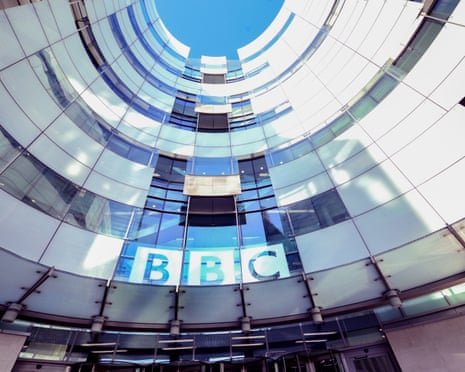
The BBC's concerns center on how younger audiences increasingly consume content through streaming services and on-demand platforms rather than traditional broadcast television. This shift creates a structural problem: the licence fee system, which has been the BBC's primary funding mechanism for decades, relies on households owning televisions and watching live broadcasts.
As viewing habits evolve, fewer people are paying into a system that still provides universal services. The corporation argues this creates a vicious cycle where the funding base shrinks while the need for diverse, public service content remains constant or grows.
The charter review represents a critical juncture for the BBC. The current charter, which defines the corporation's scope and funding, is due for renewal, and the government is examining whether the existing model remains fit for purpose in the digital age.
Industry observers note that the BBC's warning reflects broader challenges facing public service broadcasters globally. Similar institutions in other countries are grappling with how to maintain their public service missions while adapting to a media landscape dominated by global streaming platforms and social media.
The BBC's position is complicated by political tensions. The corporation has faced criticism from various political factions over its editorial stance and funding model. Some conservative politicians have advocated for reducing or eliminating the licence fee, while others defend the BBC's role in providing impartial news and cultural programming.
What makes the BBC's warning particularly significant is that it comes from within the organization itself. Rather than waiting for external decisions, the corporation is proactively highlighting the existential threat it faces if fundamental changes aren't made.
The review process will likely examine several potential reforms, including:
- Alternative funding models beyond the traditional licence fee
- How the BBC can better serve audiences who primarily consume content online
- The corporation's role in an increasingly fragmented media ecosystem
- Whether the BBC's current scope and scale remain appropriate
Media analysts suggest that the BBC's warning represents a realistic assessment of structural changes in how people consume media. The question now is whether policymakers and the public are prepared to support the kind of fundamental reforms the corporation says are necessary for its survival.
The outcome of this review could determine whether the BBC continues as a major cultural institution or faces a gradual decline as its funding model becomes increasingly disconnected from how people actually watch content in the 21st century.
Comments
Please log in or register to join the discussion