BYD's luxury Denza brand hired singer Wang Leehom as its public face, then converted his endorsement fee into company shares. The arrangement aligns a celebrity's payout with stock performance, and it signals how thin marketing budgets have become as China's automakers fight a brutal price war.
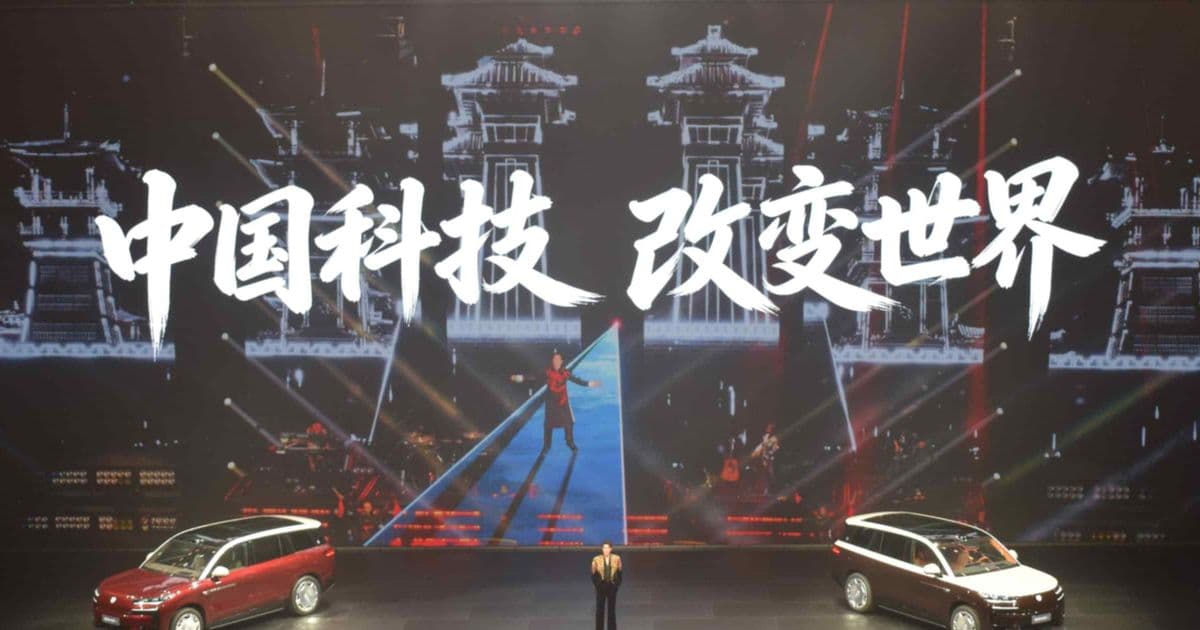
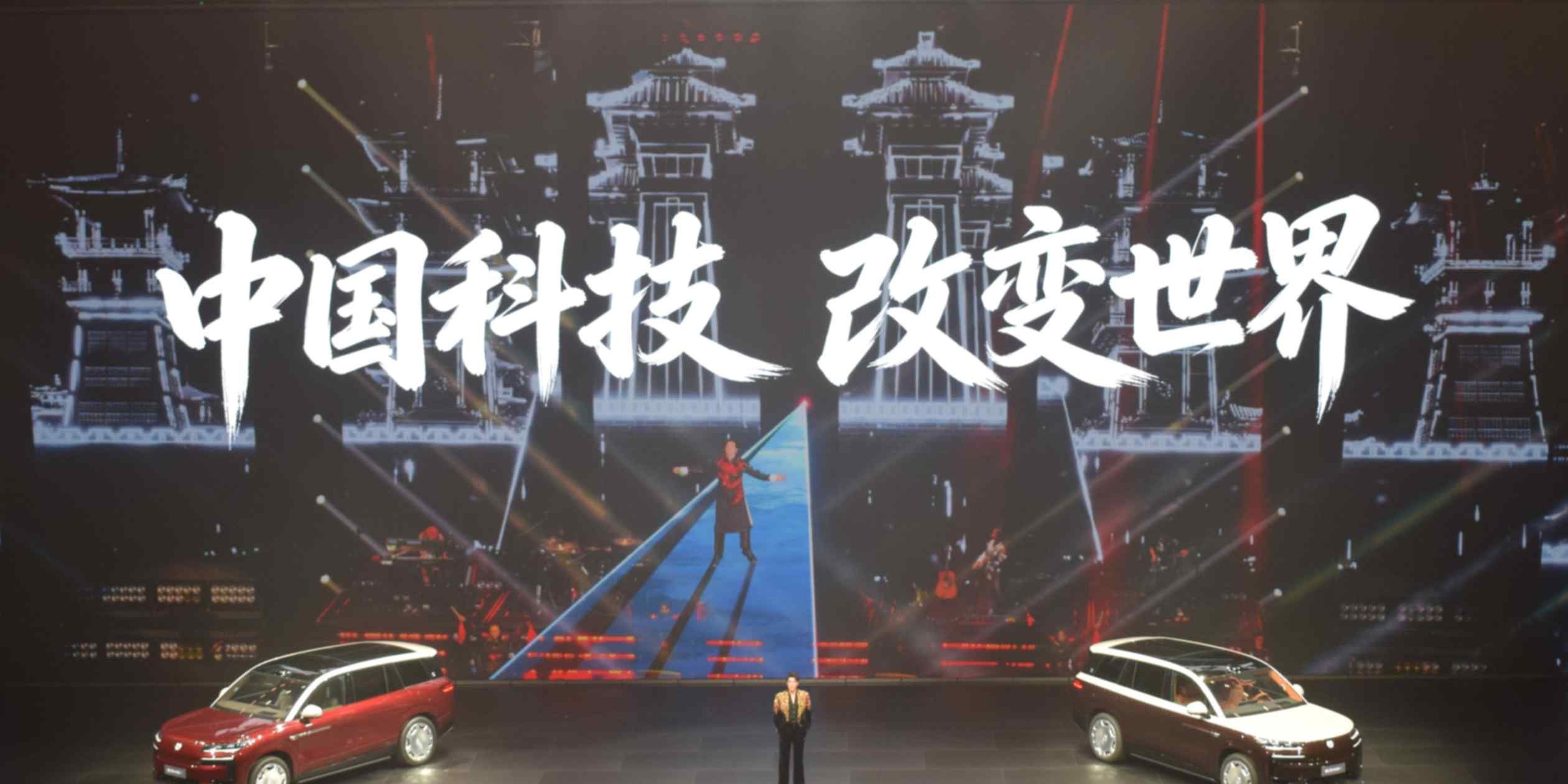
Wang Leehom, the Mandopop star hired to front BYD's premium Denza marque, has turned his endorsement fee into a stake in the company. At the unveiling of new Denza models in Guangzhou, the singer appeared not just as a paid spokesman but as a shareholder, an arrangement Chinese auto-industry watchers are treating as a new template for how carmakers buy attention in a saturated market.
On its surface this is a marketing footnote. Look closer and it is a window into the economics of an industry where margins have been compressed to the bone and where every line item, including celebrity fees, is being restructured to conserve cash.
What actually happened
Denza is BYD's push upmarket, a joint venture brand positioned above the mass-market models that made the company the world's largest seller of new-energy vehicles. Premium brands live or die on perception, and perception is expensive. Hiring a high-profile entertainer to embody a luxury nameplate is standard practice. Paying that entertainer in equity rather than cash is not.
The structure does two things at once. It defers a cash outlay that BYD would otherwise book as a marketing expense, and it ties the ambassador's compensation to the company's share price. Wang now has a direct financial incentive for Denza, and BYD as a whole, to perform. An endorser who owns stock is, in theory, a more motivated endorser, and the optics of a celebrity betting on the brand he promotes carry their own promotional value.
Why a carmaker pays in shares
The context here is China's EV price war, which has run for more than two years and shows no sign of easing. Dozens of brands are chasing a domestic market that is growing more slowly than the manufacturing capacity built to serve it. Discounting has become the default competitive tool, and that discounting flows straight through to operating margins.
When you are selling cars at razor-thin profit per unit, every fixed cost gets scrutinized. Marketing budgets, which at the premium end can run to hundreds of millions of yuan across a model launch cycle, are an obvious target. Converting a celebrity fee into equity moves that cost off the cash-flow statement and onto the balance sheet as a share issuance or transfer. The expense does not vanish, but its timing and form change in ways that favor a company guarding liquidity.
There is also a signaling function. BYD has spent the past year managing investor concern about whether its growth can hold up as domestic demand cools. Its recent moves, from a 4-nanometer self-driving chip to updated Blade Battery technology promising nine-minute charge times, are all aimed at defending a premium narrative. An equity-aligned brand ambassador fits that story: it lets BYD frame marketing spend as a long-term partnership rather than a one-off cost.
The wider industry shift
The use of celebrities to sell cars in China is not new, but the terms are changing. As brands proliferate and advertising noise rises, the marginal value of a conventional endorsement deal falls. A static spokesman contract delivers a name and a face. An equity arrangement delivers a stakeholder who has reason to keep promoting long after the contract photos are shot.
Expect imitation. In a market this competitive, any structure that reduces cash burn while preserving marketing reach will be copied quickly by rivals such as Nio, Xpeng and the premium arms of legacy state automakers. Nio is already pushing its Firefly sub-brand into global markets to chase the BMW Mini segment, and the entire cohort of Chinese premium EV makers faces the same squeeze: they need upmarket credibility without upmarket spending.
The equity-for-endorsement model carries risks that cash deals do not. Tying a public figure's wealth to a company exposes both sides to reputational and financial volatility. If Denza stumbles or BYD's shares slide, the ambassador's loss becomes part of the story. And celebrity equity stakes invite scrutiny over disclosure and related-party dealings, an area where Chinese regulators have grown more attentive.
What it means
For BYD, the Wang Leehom arrangement is a small experiment with outsized symbolism. It shows a company optimizing every corner of its cost structure while trying to keep building a premium image, the two goals that define its strategic moment. For the broader Chinese auto sector, it is a marker of how far the price war has pushed manufacturers to rethink even the most conventional spending.
The headline reads like entertainment news. The substance is a balance-sheet decision dressed up as a marketing one, and it reflects an industry where the pressure to conserve cash now reaches all the way to the red carpet.
Comments
Please log in or register to join the discussion