California has passed Assembly Bill 2047, requiring 3D‑printer makers to embed detection algorithms that block the printing of firearm components. The bill sets performance standards, imposes steep penalties for non‑compliance, and raises privacy concerns under the CCPA and broader data‑protection norms.
California forces 3D printers to play cop
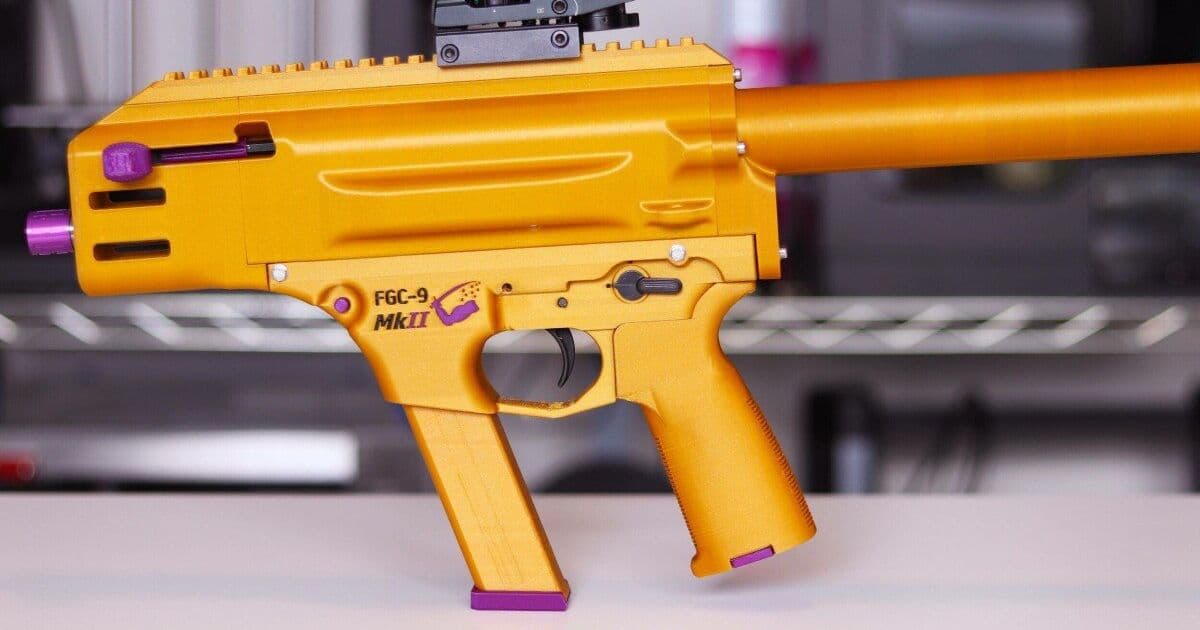
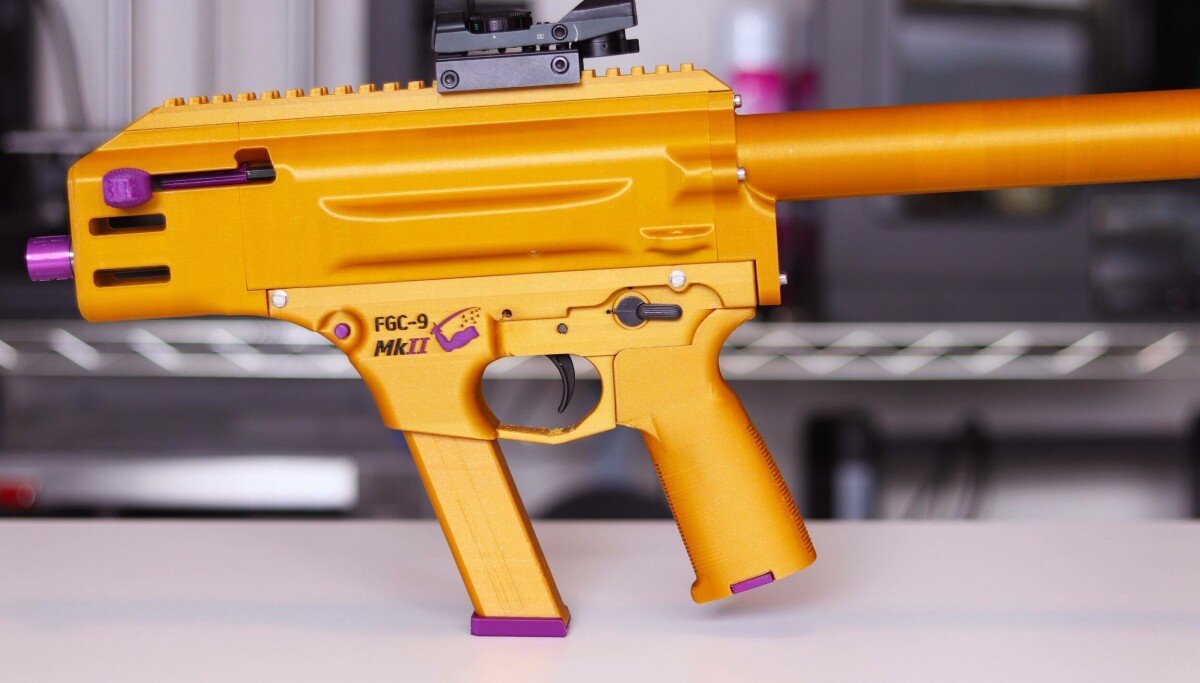
The California State Assembly approved Assembly Bill 2047 on May 26, 2026. The measure—dubbed the Firearm Printing Prevention Act—requires every 3D‑printer sold in the state to include a built‑in “firearm blueprint detection algorithm” that blocks the printing of ghost‑gun parts. Non‑compliant devices will be banned from sale after March 1 2029. The bill now moves to the State Senate and, if passed, to Governor Gavin Newsom’s desk for signature.
Legal basis and regulatory context
- California law: AB 2047 creates a state‑wide safety requirement for hardware manufacturers, similar to the state’s earlier bans on certain firearm accessories. Violations can attract civil penalties of $25,000 per infraction and misdemeanor charges for anyone who disables the blocking technology.
- Privacy considerations: The bill’s draft language raised alarms that printers might have to transmit file‑metadata to a state‑run verification service. Under the California Consumer Privacy Act (CCPA), any collection of personal information—such as a user’s IP address or printer‑usage logs—must be disclosed, limited to a specific purpose, and protected against unauthorized access. The bill’s recent amendment to protect open‑source splicer usage attempts to stay within those limits, but privacy advocates remain skeptical.
- Federal backdrop: While the U.S. Constitution does not directly govern manufacturing standards, the National Firearms Act and Gun Control Act already restrict certain firearm components. AB 2047 extends that regulatory reach to the digital‑fabrication stage.
How the law will affect users and companies
For manufacturers
- Algorithm integration – Companies must embed detection software in firmware or in the printer’s slicing application. The Department of Justice will publish performance standards by January 2028, specifying an “acceptably low level of evasion” for a defined set of prohibited design files (STL, CAD, etc.).
- Attestation process – By July 1 2028, each make and model must be formally attested as compliant. The state will maintain a public list, updated at least quarterly, of approved devices.
- Potential liability – Selling a non‑compliant printer could trigger the $25,000 per‑violation civil penalty, plus possible injunctive relief from the state.
For end‑users and hobbyists
- Open‑source splicers – The bill now allows third‑party splicer software to operate, provided it engages in an encrypted handshake with the printer’s detection module. This is intended to preserve the open‑source ecosystem while still enforcing the block.
- Privacy risk – If a printer must send a hash of each file to a state server for verification, that data could be considered personal information under the CCPA. Companies will need to publish a clear privacy notice and offer an opt‑out where technically feasible.
- Circumvention – The law criminalizes “knowingly disabling, deactivating, uninstalling, or otherwise circumventing” the blocking technology. Even a modest modification to a design file that evades detection could be deemed a misdemeanor.
What changes are likely next
- Guidance documents – The California DOJ will release detailed technical guidance in early 2028, outlining acceptable detection rates, false‑positive thresholds, and encryption standards for the handshake protocol. Expect a draft to appear on the official DOJ site for public comment.
- Industry response – Major printer manufacturers such as Ultimaker, Formlabs, and Prusa have already issued statements promising compliance. Smaller boutique makers may need to partner with third‑party security firms to develop the required algorithms.
- Legal challenges – The Electronic Frontier Foundation (EFF) has filed an amicus brief arguing that the law could set a precedent for broader content‑blocking mandates, potentially conflicting with the CCPA’s data‑minimization principle. A court ruling could reshape how the algorithm’s verification data is handled.
- Potential ripple effects – If California’s model proves enforceable, other states—especially those with strict gun‑control agendas—may draft similar legislation, expanding the regulatory footprint for 3D‑printing hardware nationwide.
Why this matters for digital rights
The bill sits at the intersection of public safety and personal liberty. On one hand, ghost guns have been linked to a 1,000 % rise in firearm‑related incidents reported by Everytown for Gun Safety between 2020 and 2024. On the other, the requirement to scan every print file raises a red flag for privacy advocates who warn that the same technology could be repurposed to block non‑violent content—think copyrighted designs, political symbols, or even simple household objects.
For users, the key take‑aways are:
- Know your printer’s compliance status – Check the state‑maintained list before purchasing a device.
- Read the privacy policy – Look for disclosures about data collection related to file verification.
- Stay informed about legal risk – Modifying a design to evade detection could expose you to criminal charges, even if the intent is benign.
For a deeper dive into the technical challenges of firearm‑detection algorithms, see the recent MIT study on 3D‑printing security.
Comments
Please log in or register to join the discussion