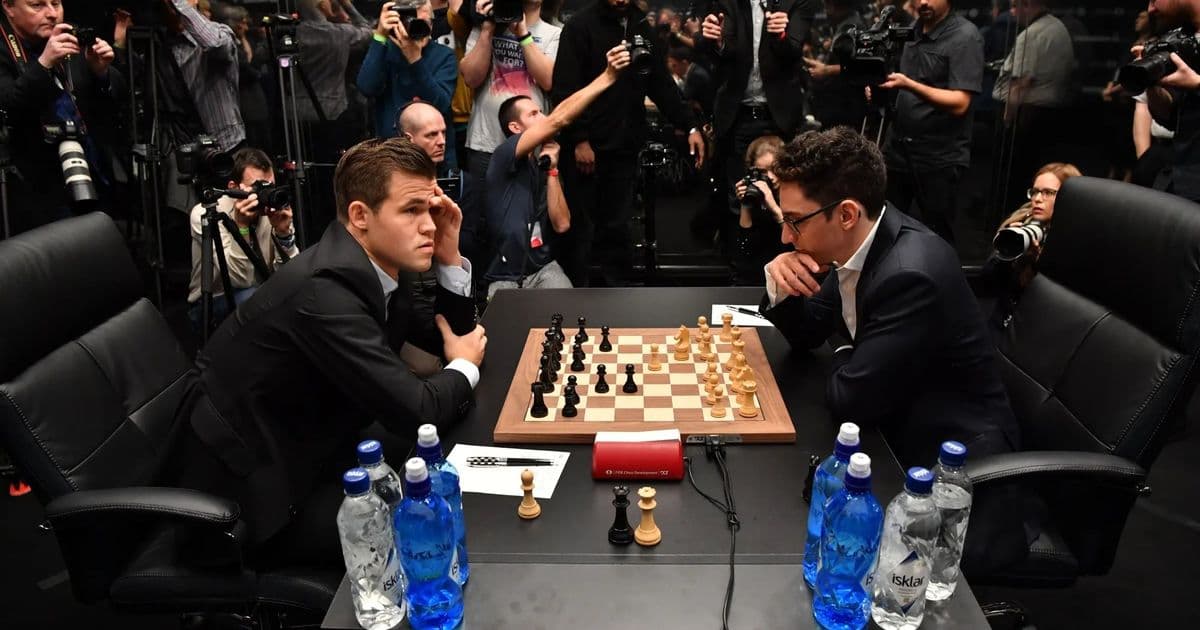
Grandmasters are deliberately making less optimal moves in classical chess after AI analysis revealed new winning patterns, breathing new life into a game pushed toward perfect play.
Chess grandmasters are discovering that winning sometimes means playing less perfectly. After decades of AI analysis pushed classical chess toward increasingly predictable patterns and more draws, top players are now deliberately making moves that computers would consider suboptimal - and finding success.
The shift comes as a response to how artificial intelligence has transformed chess understanding. Supercomputers and AI engines have analyzed countless positions, revealing optimal moves for virtually every scenario. This has led to a paradox: as players become more skilled and better prepared, games increasingly end in draws because both sides are playing "perfectly" according to computer analysis.
Grandmasters have begun to exploit this by deliberately choosing moves that deviate from computer recommendations. These unconventional choices create positions that are less theoretically sound but more difficult for opponents to navigate, especially under time pressure. The strategy works because while AI can calculate perfect moves, human opponents struggle to respond to unexpected patterns they haven't studied extensively.
This approach is breathing new life into classical chess tournaments. Games are becoming more dynamic and less predictable, with players winning through creativity and psychological pressure rather than pure calculation. The trend represents a fascinating reversal - instead of trying to play like machines, top players are finding ways to make machines' perfect play work against human opponents.
The phenomenon highlights a broader truth about human-AI interaction: sometimes the best way to leverage advanced technology is not to emulate it perfectly, but to find creative ways to use its insights that humans can exploit better than machines. In chess, this means embracing imperfection as a strategic advantage.
For the chess community, this development is particularly welcome. After years of concern that classical chess was becoming too draw-heavy and predictable, the new approach is making tournaments more exciting to watch and play. It suggests that even in a world where AI can play perfect chess, there's still room for human creativity and unconventional thinking to thrive.
[IMAGE:1]
The trend also raises interesting questions about the future of competitive chess. As AI continues to advance, will we see even more creative deviations from "perfect" play? Or will players eventually find ways to counter these unconventional strategies as well? One thing seems certain: the game of chess continues to evolve, with human players finding new ways to keep the ancient game fresh and exciting in the age of artificial intelligence.
Comments
Please log in or register to join the discussion