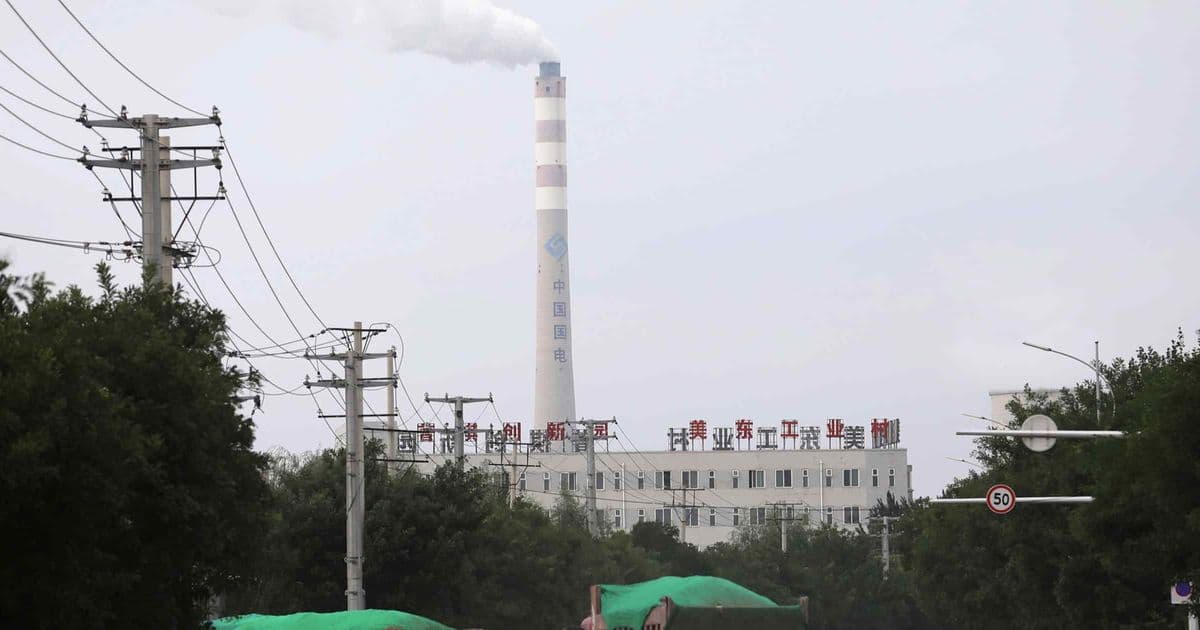
Beijing has amassed enough coal to run its thermal plants for a month as El Niño threatens summer heat and electricity shortages, a move that underscores the country’s reliance on coal, pressures on the power grid, and potential ripple effects for global coal markets.
China amasses 30‑day coal supply ahead of El Niño power crunch
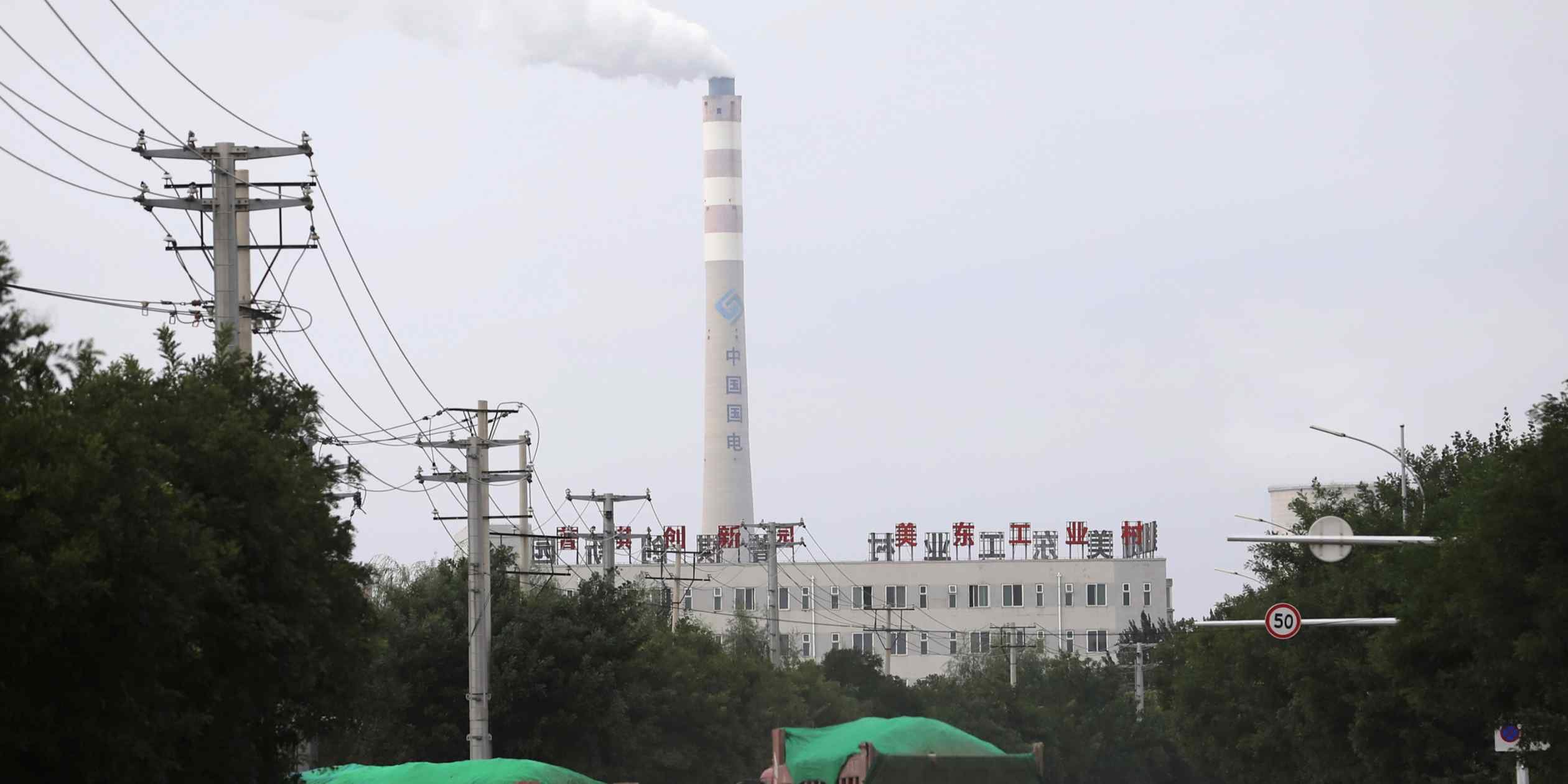
China’s state‑run power authorities announced that the nation now holds more than 30 days of coal reserves for its thermal power fleet. The stockpile, valued at roughly ¥1.2 trillion (US$170 billion), is intended to cushion the grid against a projected summer heat wave linked to the El Niño climate pattern.
Market context
- Coal’s share of generation – Thermal plants still generate about 62 % of China’s electricity, according to the National Energy Administration.
- Seasonal demand spike – Historical data show that July–August demand can rise 8‑10 % above the annual average when temperatures exceed 35 °C in the north‑east and central provinces.
- Supply chain constraints – Recent logistics bottlenecks in Inner Mongolia and Shanxi have pushed spot coal prices up 6 % month‑on‑month, prompting the government to lock in forward contracts at pre‑emptive price caps.
- Global impact – China consumes roughly 4 billion tonnes of coal annually, about 30 % of world demand. A sudden draw‑down of its reserves would tighten international markets, potentially lifting the global coal price index by 2‑3 %.
What it means for the energy sector
- Short‑term grid stability – By securing a month’s supply, operators can keep baseload plants running without resorting to emergency imports or load‑shedding, a risk that materialised in 2022 when several provinces faced rolling blackouts.
- Signal to investors – The stockpile confirms that, despite Beijing’s long‑term carbon‑neutral pledge for 2060, coal will remain a strategic buffer. Investors in Chinese coal miners such as Shenhua Energy and Yanzhou Coal are likely to see a modest uplift in forward‑looking valuations.
- Policy implications – The move may delay the rollout of additional renewable capacity in the short run. However, the Ministry of Ecology and Environment has simultaneously announced a 15 % increase in funding for ultra‑high‑voltage transmission lines, aimed at moving wind and solar power from the north to the south‑east demand centres.
- International trade dynamics – Export‑oriented coal producers in Australia, Indonesia and Mongolia could experience a dip in demand if China leans on its reserves. Conversely, countries with surplus coal inventories may find a buyer in China once the stockpile is drawn down, creating a secondary market for low‑grade thermal coal.
- Risk of over‑stocking – Holding large inventories ties up capital and increases storage costs. If the summer heat wave proves milder than forecasts, the government may face criticism for inflating costs for state‑owned utilities.
Strategic outlook
Analysts expect the 30‑day buffer to be gradually drawn down as temperatures climb, with a likely replenishment cycle beginning in September when demand eases. The episode underscores the dual‑track approach China is taking: reinforcing traditional coal assets to guarantee reliability while accelerating grid upgrades and renewable integration to meet its long‑term decarbonisation targets.
For stakeholders, the key takeaway is that coal will continue to play a pivotal role in China’s energy security calculus through at least the next two years, shaping both domestic market dynamics and the broader global coal trade.
Comments
Please log in or register to join the discussion