
China's commercial satellite technology, with its high-resolution imaging capabilities, is reshaping geopolitical dynamics and creating new challenges for semiconductor manufacturers as nations increasingly rely on space-based intelligence systems.
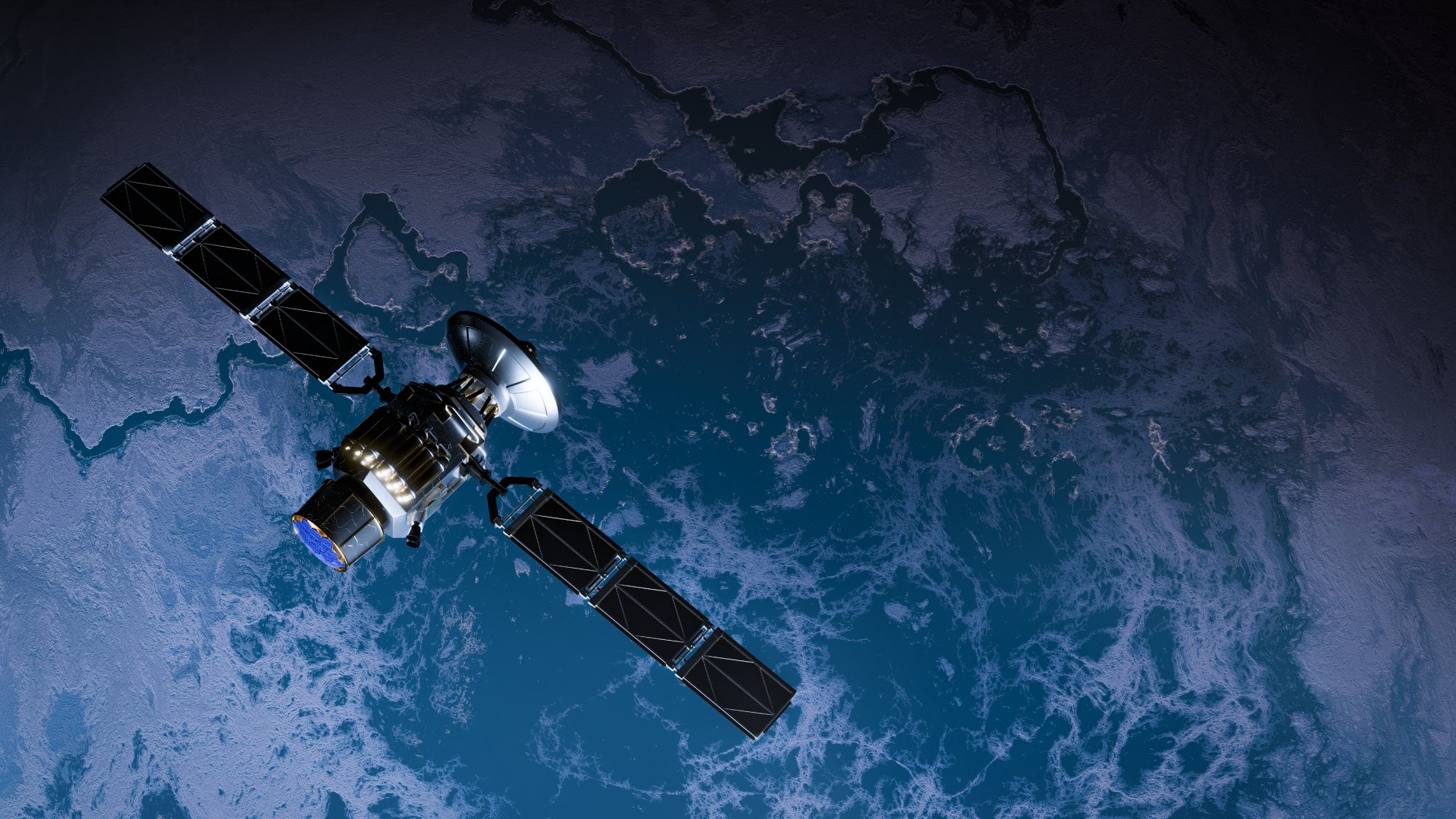
China's commercial space industry, particularly its Earth observation satellite capabilities, is creating significant ripple effects across the global semiconductor supply chain. The recent revelation that Iran acquired China's TEE-01B satellite with 0.5-meter resolution imaging capabilities highlights a growing trend where civilian space technologies are increasingly being adapted for military applications, placing new demands on specialized semiconductor components.
The TEE-01B satellite represents a significant technological leap compared to Iran's previous capabilities. While Iran's Noor-3 satellite offered only 5-meter resolution and the older Noor-2 delivered 12-15 meters, the Chinese satellite provides 24 times better resolution than Noor-3 and 30 times better than Noor-2. This dramatic improvement in imaging capability requires sophisticated image processing chips and high-performance computing systems that push the boundaries of current semiconductor technology.
At the heart of these advanced satellites are specialized image sensors and processors that demand cutting-edge semiconductor manufacturing. The 0.5-meter resolution capability requires high-performance CMOS image sensors with pixel sizes as small as 3-4 micrometers, manufactured using advanced process nodes typically in the 28nm to 14nm range. These sensors must operate in the harsh environment of space, requiring radiation-hardened designs that add complexity to the semiconductor manufacturing process. Companies like SMIC have been developing specialized processes for space-qualified components, though they face significant challenges in competing with established players like TSMC in this high-margin segment.
The distributed nature of satellite services, as demonstrated by Iran's arrangement with Emposat for ground control services in China, creates additional requirements for secure communication chips and encryption processors. These components must meet stringent security standards while maintaining high performance, a challenge that semiconductor manufacturers increasingly face as space-based systems become more interconnected.
The dual-use nature of these technologies presents a significant challenge for semiconductor companies operating in the global market. Companies like SMIC and Huawei that supply components for these systems must navigate complex export controls and sanctions while maintaining their technological competitiveness. The situation mirrors the challenges faced by companies like TSMC and Samsung when supplying components to defense contractors.
The geopolitical implications extend beyond individual components to the entire semiconductor supply chain. As nations like Iran seek to bypass traditional defense contractors and acquire dual-use technologies through civilian channels, semiconductor manufacturers face increasing pressure to implement sophisticated supply chain controls. This has led to the development of specialized verification processes and component tracking systems that add overhead to manufacturing operations.
The commercial space industry's growth, driven by companies like Earth Eye Co., is creating new market opportunities for specialized semiconductor manufacturers. The global market for space-qualified semiconductors is projected to reach $4.3 billion by 2025, growing at a CAGR of 7.8% according to industry analysts. This growth is being driven by increasing demand for Earth observation satellites, particularly those with high-resolution imaging capabilities. MarketsandMarkets reports that the Asia-Pacific region will account for the largest share of this growth, led by China's expanding space program.
The technical challenges involved in manufacturing space-qualified semiconductors are significant. Unlike terrestrial applications, space components must withstand extreme temperature variations, high radiation levels, and vacuum conditions. This requires specialized packaging techniques and testing protocols that add 15-30% to manufacturing costs compared to equivalent terrestrial components.
The situation also highlights the growing importance of indigenous semiconductor capabilities for national security. Countries are increasingly recognizing that reliance on foreign semiconductor manufacturers for critical space and defense technologies creates vulnerabilities. This has led to increased investment in domestic semiconductor manufacturing capabilities, with countries like China, India, and the European Union all announcing multi-billion dollar initiatives to boost their semiconductor self-sufficiency.
The emergence of in-orbit satellite delivery models, as seen in the Iran-China deal, creates additional challenges for semiconductor manufacturers. These models require more flexible supply chains that can adapt to changing mission requirements and incorporate new technologies throughout a satellite's operational life. This demands more agile manufacturing processes and the ability to produce small batches of specialized components efficiently.
As the line between civilian and military applications continues to blur, semiconductor manufacturers face increasing pressure to develop sophisticated tracking systems that can monitor how their components are used throughout their lifecycle. This requires new approaches to supply chain management and component tracking that leverage technologies like blockchain and IoT sensors.
The situation with Iran's acquisition of the TEE-01B satellite serves as a case study for how dual-use technologies are reshaping the semiconductor landscape. As commercial space technologies become increasingly sophisticated, the challenges for semiconductor manufacturers will continue to evolve, requiring new approaches to manufacturing, supply chain management, and geopolitical navigation.
Looking ahead, the integration of artificial intelligence into satellite imaging systems will create additional demands for specialized AI chips designed for space applications. These systems will require neural processing units optimized for the space environment, opening new opportunities for semiconductor manufacturers who can develop these specialized components.
The commercial space industry's growth, combined with increasing geopolitical tensions, ensures that dual-use satellite technologies will remain a significant factor in the semiconductor market for the foreseeable future. Companies that can navigate these complexities while maintaining technological leadership will be well-positioned to capitalize on the growing demand for space-qualified semiconductors.
Comments
Please log in or register to join the discussion