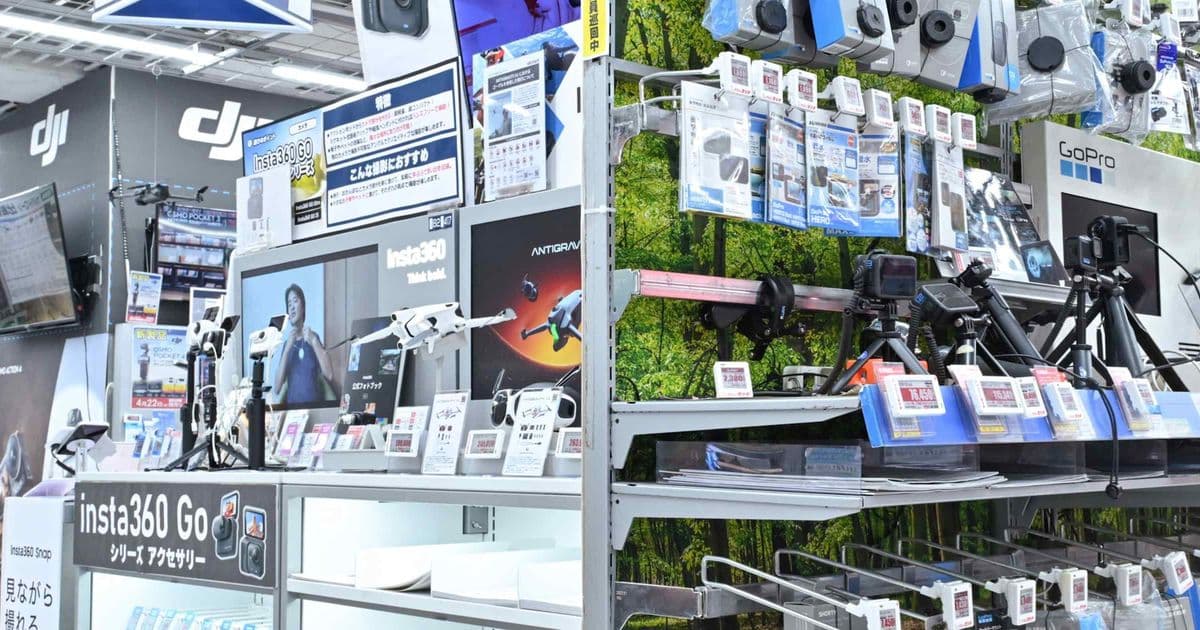
Falling sales and mounting competition from DJI and Insta360 have forced GoPro to explore a sale, with analysts estimating a valuation between $350 million and $550 million as the U.S. brand confronts faster, cheaper Chinese action cameras.
GoPro’s declining fortunes
Guangzhou, China – After more than a decade of market leadership, GoPro Inc. (NASDAQ: GPRO) disclosed that it is actively evaluating strategic options, including a sale of the company. The move follows three consecutive years of revenue contraction, with 2025 revenue falling to $821 million, down 12 % from the 2024 peak of $935 million. Net loss widened to $124 million in the most recent quarter, compared with a breakeven result a year earlier.
The company’s cash balance sits at roughly $210 million, while debt remains modest at $45 million. Analysts at Goldman Sachs now price GoPro at a price‑to‑sales multiple of 0.4‑0.5x, implying a total enterprise value between $350 million and $550 million – a stark contrast to the $1.2 billion market cap it enjoyed in 2022.
Chinese competition reshapes the action‑camera market
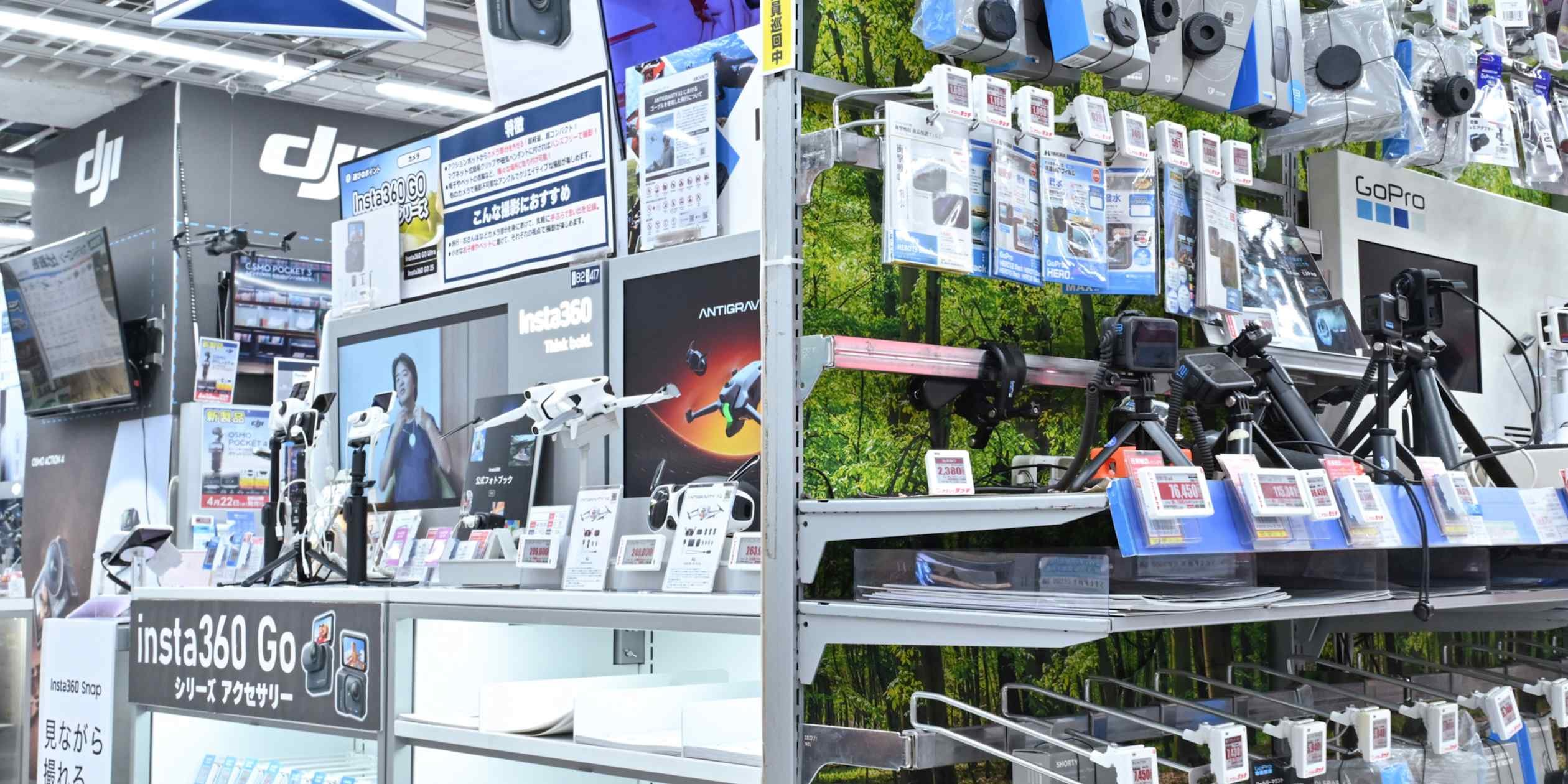
Two Chinese manufacturers have accelerated the erosion of GoPro’s market share. DJI, best known for consumer drones, entered the action‑camera segment in 2023 with the Osmo Action 4, which combines a 4K/60 fps sensor, RockSteady electronic stabilization, and a price tag of $149. Insta360, a specialist in 360‑degree optics, launched the Insta360 ONE X3 in early 2024, offering 5.7K video, AI‑driven framing, and a retail price of $279.
According to IDC, global shipments of action cameras in 2025 totaled 23 million units, with DJI and Insta360 together accounting for 38 % of the volume, up from 22 % in 2022. GoPro’s share fell from 45 % to 28 % over the same period. The Chinese rivals achieve higher unit shipments by leveraging vertically integrated supply chains in Shenzhen, which reduce component costs by 15‑20 % and enable rapid firmware updates.
Strategic implications for GoPro
- Valuation pressure – The widening gap between GoPro’s legacy brand premium and the cost advantage of Chinese competitors compresses the company’s pricing power. Even with a loyal enthusiast base, average selling price (ASP) has slipped from $299 in 2022 to $242 in 2025.
- Potential acquirer profile – Private‑equity firms with experience in consumer electronics, such as Thoma Bravo or KKR, could see value in GoPro’s IP portfolio (e.g., HyperSmooth stabilization patents) and its established distribution network in North America and Europe. A strategic buyer from the Chinese side would gain immediate access to GoPro’s brand equity and its software ecosystem, which currently powers over 15 million active users.
- Operational turn‑around routes – To retain independence, GoPro could pursue a cost‑reduction plan, shifting a larger share of component sourcing to Asian OEMs and consolidating its R&D footprint in Shenzhen, where it already runs a joint lab with DJI. A refreshed product line focused on AI‑enhanced editing (leveraging the recent partnership with Adobe) could help restore margin pressure.
What this means for the market
- Consolidation trend – The action‑camera sector, once fragmented, is moving toward a duopoly between DJI and Insta360. A GoPro sale would likely result in either a private‑equity carve‑out that keeps the brand alive as a niche player, or a full integration into a Chinese portfolio, further concentrating market power.
- Supply‑chain ripple effects – If GoPro’s manufacturing shifts to Chinese fabs, component demand for Sony’s Exmor sensors and Qualcomm’s Snapdragon processors could see a modest uptick, offsetting some of the volume loss from GoPro’s traditional U.S. factories.
- Consumer pricing outlook – With DJI and Insta360 already pricing flagship models below $300, a GoPro under new ownership may need to introduce sub‑$200 tier products to stay competitive, potentially expanding the overall market size as price‑sensitive buyers enter the segment.
Outlook
Financial analysts now forecast GoPro’s 2026 revenue at $730 million, assuming a 10 % market share decline and a 5 % ASP compression. The company’s strategic options – sale, private‑equity recapitalization, or a turnaround plan – will hinge on how quickly it can close the technology gap with its Chinese rivals. In a market where shipment volumes are increasingly driven by cost‑effective, AI‑enabled cameras, GoPro’s next move will determine whether the brand remains a niche enthusiast label or disappears from the mainstream shelf.
Comments
Please log in or register to join the discussion