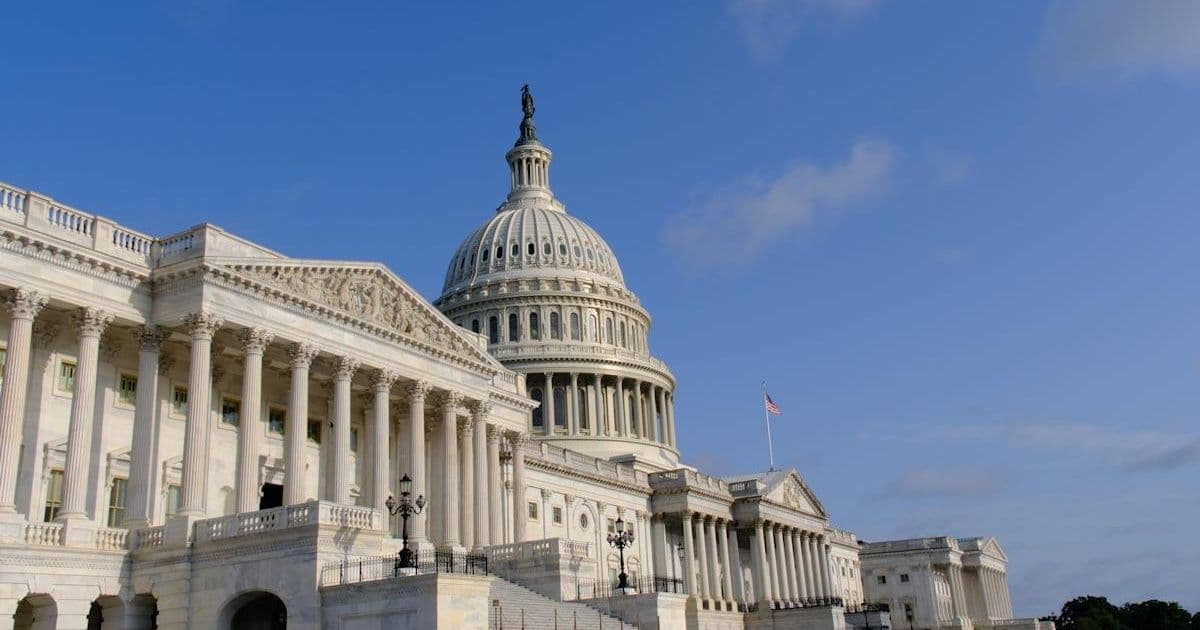
The US Senate unanimously passed COPPA 2.0, updating children's privacy protections for the digital age, but the bill faces an uncertain future in the House where it has previously stalled.
The US Senate has once again unanimously passed the Children and Teens' Online Privacy Protection Act, commonly known as COPPA 2.0, marking a significant step toward updating children's privacy protections for the digital age. The bill, which aims to extend privacy safeguards to teenagers and address the evolving landscape of online platforms, now heads to the House of Representatives where it has historically struggled to gain traction.
COPPA 2.0 represents a comprehensive overhaul of the original Children's Online Privacy Protection Act, which was enacted in 1998 when the internet was in its infancy. The updated legislation would extend privacy protections to cover users under 16 years of age, up from the current age limit of 13. This change reflects the reality that today's teenagers are just as vulnerable to data collection and targeted advertising as younger children.
The bill includes several key provisions designed to protect young users in an era dominated by social media, mobile apps, and sophisticated data tracking technologies. These provisions include requiring parental consent for the collection of personal information from users under 16, prohibiting targeted advertising to children and teens, and establishing a "Digital Marketing Bill of Rights for Teens" that limits the collection of personal information.
One of the most significant aspects of COPPA 2.0 is its recognition of the unique challenges posed by modern technology. The legislation addresses issues such as geolocation tracking, biometric data collection, and the use of algorithms to target young users with content and advertisements. It also includes provisions to prevent companies from conditioning access to services on the collection of unnecessary personal information.
The Senate's unanimous passage of the bill demonstrates broad bipartisan support for stronger protections for young internet users. Senators from both parties have expressed concern about the impact of social media and online platforms on children's mental health, privacy, and development. The bill's sponsors argue that the current regulatory framework, which was designed for a pre-social media era, is woefully inadequate for protecting today's digital natives.
However, the path forward for COPPA 2.0 remains uncertain. The bill has previously passed the Senate only to stall in the House, where it has faced opposition from technology companies, industry groups, and some lawmakers who argue that the regulations could stifle innovation and impose burdensome compliance costs on businesses.
Critics of the legislation contend that the proposed regulations could have unintended consequences, potentially limiting the availability of free online services and educational resources for young users. Some industry representatives have argued that the bill's provisions are overly broad and could inadvertently restrict legitimate business practices and technological innovation.
The House's previous reluctance to advance COPPA 2.0 stems from several factors. First, there are concerns about the economic impact of the regulations on the tech industry, which has become an increasingly important part of the US economy. Second, some lawmakers worry about the potential for regulatory overreach and the creation of a complex compliance framework that could be difficult for smaller companies to navigate.
Additionally, there are ongoing debates about the appropriate balance between protecting children's privacy and preserving the benefits of digital technology. Some argue that overly restrictive regulations could limit young people's access to educational resources, creative tools, and social connections that are increasingly mediated through digital platforms.
Despite these challenges, supporters of COPPA 2.0 remain optimistic about its prospects in the House. They point to growing public concern about children's online safety and privacy, as well as increased scrutiny of tech companies' practices regarding young users. The recent wave of state-level privacy laws and increased federal attention to tech regulation may also create a more favorable environment for the bill's passage.
The bill's journey through Congress also reflects broader debates about the role of government in regulating technology and protecting vulnerable populations in the digital age. As lawmakers grapple with these issues, COPPA 2.0 serves as a test case for how the United States will approach the challenge of balancing innovation, economic growth, and consumer protection in an increasingly digital world.
If the House does pass COPPA 2.0, it would represent a significant shift in US privacy law and could have far-reaching implications for how companies operate online platforms and services targeted at young users. The bill would likely require substantial changes to the business models of many social media companies, app developers, and online service providers that rely on data collection and targeted advertising.
The legislation's progress also comes amid a broader global trend toward stronger privacy protections, particularly for children and teenagers. The European Union's General Data Protection Regulation (GDPR) has already established strict rules for children's data, and other countries are following suit with their own privacy laws. COPPA 2.0 would bring US law more in line with these international standards.
As the bill moves to the House, all eyes will be on key committee chairs and influential lawmakers who will play crucial roles in determining its fate. The outcome will likely depend on whether supporters can address the concerns of opponents while maintaining the core protections that have garnered bipartisan support in the Senate.
The passage of COPPA 2.0 would mark a significant milestone in the evolution of US privacy law, reflecting the growing recognition that children and teenagers require special protections in the digital age. However, the bill's ultimate success will depend on whether it can navigate the complex political and economic landscape of the House of Representatives, where the balance between regulation and innovation remains a contentious issue.
For now, the tech industry, privacy advocates, and families across the country will be watching closely as COPPA 2.0 makes its way through the legislative process, hoping that this time, the bill will finally become law and provide much-needed protections for young internet users in an increasingly connected world.
Comments
Please log in or register to join the discussion