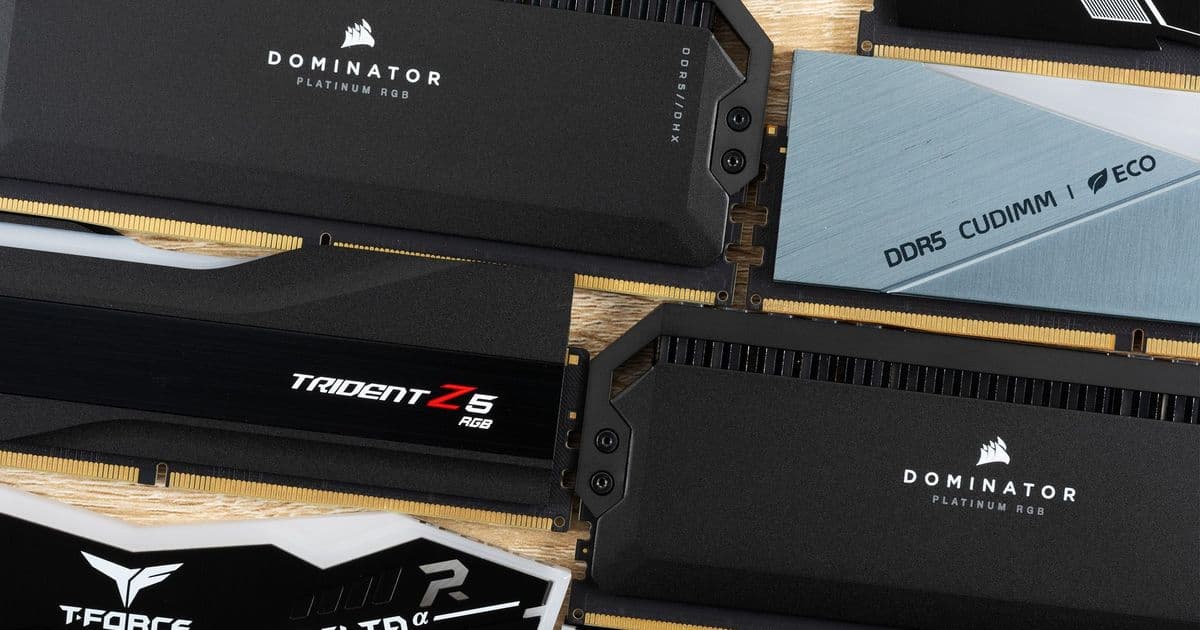
Memory chip scalpers are using sophisticated bots to scrape pricing data every 6.5 seconds, targeting both consumer and industrial components as AI infrastructure demand drives a global shortage.
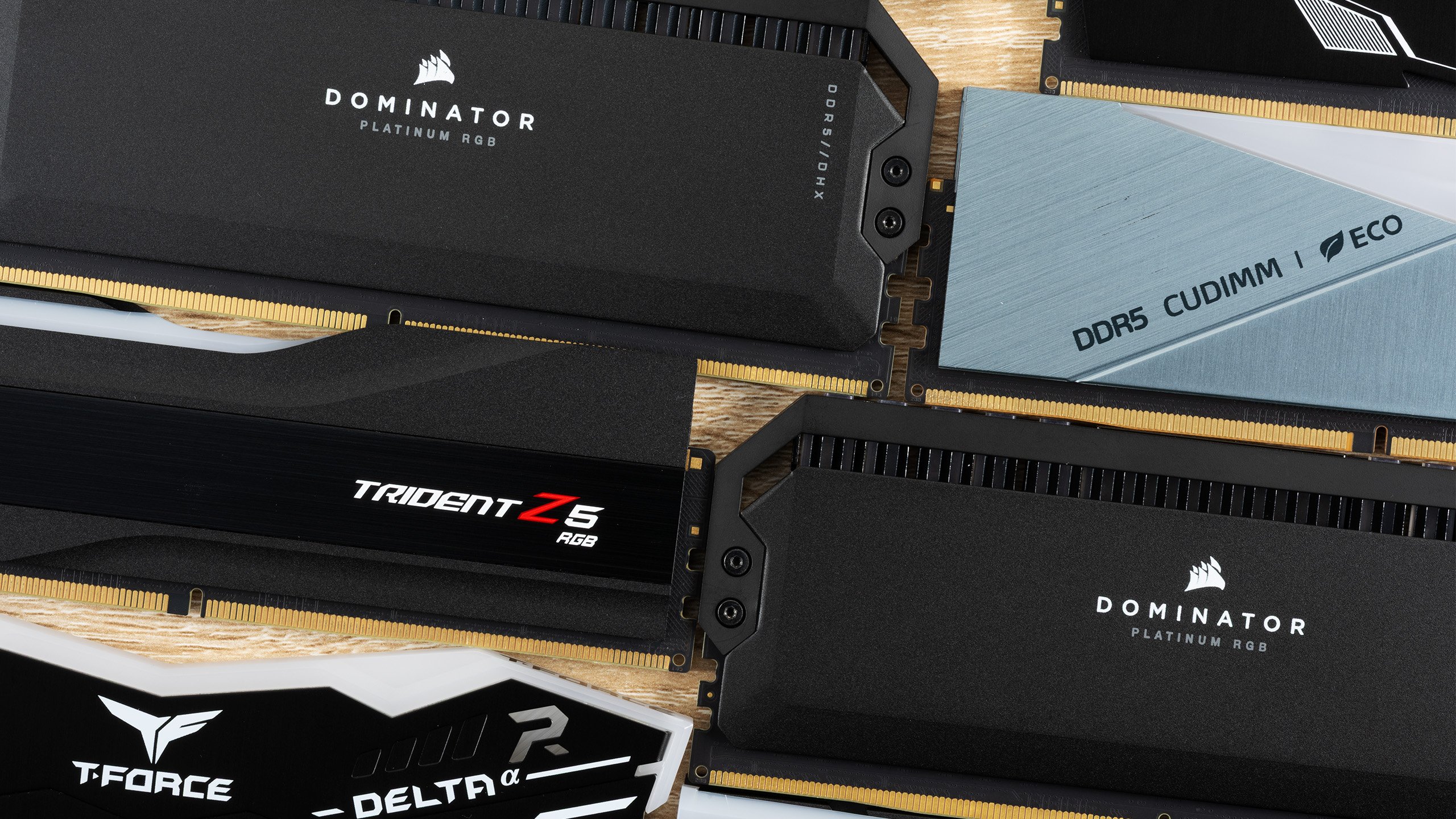
Memory chip scalpers are deploying sophisticated web scraping bots to exploit the ongoing global shortage of DRAM and storage components, according to cybersecurity firm DataDome. The operation has generated over 10 million automated requests, targeting everything from consumer DDR5 RAM modules to industrial memory components and connector technologies.
Bot Operation Details
The automated system sends queries every 6.5 seconds, resulting in more than 550 requests per page and over 50,000 total requests per hour. DataDome reports that the bots employ advanced techniques to evade detection, including cache-busting parameters that ensure each request retrieves the latest pricing information rather than cached data.
Despite these sophisticated evasion tactics, several patterns revealed the automated nature of the traffic. The bots exclusively targeted RAM product listings without interacting with other site features like search functions or shopping carts. Traffic patterns remained constant throughout the day without the natural variations seen in human browsing behavior, such as reduced weekend activity or evening peak hours.
When technical issues occurred, the bot traffic dropped to zero for several minutes before resuming at full capacity - a pattern inconsistent with organic human behavior where users might retry intermittently or abandon their search.
Supply Chain Targeting
What makes this operation particularly concerning is its comprehensive approach to the memory supply chain. Rather than focusing solely on consumer products, the bots are monitoring multiple levels of the market:
- Consumer DDR5 RAM modules
- DIMM sockets and memory connectors
- CAMM2 connector technology
- Industrial memory modules for B2B transactions
This broad targeting suggests the operation aims to capitalize on price discrepancies across the entire memory ecosystem, potentially manipulating both retail and industrial markets.
Context of Electronics Scalping
This incident represents the latest evolution in a long-standing problem within the electronics industry. Scalpers have previously exploited shortages of:
- Sony PlayStation 5 Pro 30th Anniversary pre-orders
- NVIDIA RTX 5090 GPUs immediately after launch
- Limited edition MSI RTX 5090 Lightning Z graphics cards
- DDR5 memory kits selling for up to 7x their original value on eBay
The memory chip shortage has created particularly fertile ground for such operations, with demand far outstripping supply across multiple market segments.
AI Infrastructure Impact
The current memory crisis is largely driven by massive demand from AI infrastructure development. Data centers are projected to consume nearly 70% of the world's memory supply in 2025, leaving minimal inventory for consumer, industrial, and other commercial applications.
Industry analysts warn that if current trends continue, the shortage could eliminate entry-level PCs from the market by 2028. The concentration of memory resources in AI data centers creates a cascading effect throughout the technology ecosystem, driving up prices and limiting availability for all other applications.
Manufacturing Challenges
Memory chip manufacturers including Micron, Samsung, and SK Hynix face significant challenges in addressing the shortage. Building new fabrication facilities and expanding production capacity requires substantial time and investment:
- New fabs typically take 2-3 years to construct and qualify
- Equipment installation and process optimization add additional months
- Supply chain constraints affect even the manufacturers themselves
- Capital expenditure requirements are in the billions of dollars
The complexity of semiconductor manufacturing means that even with increased investment, supply constraints are likely to persist for the foreseeable future.
Market Implications
This sophisticated scalping operation highlights the vulnerability of the memory market to automated exploitation. The combination of genuine supply constraints and artificial manipulation through bots creates a perfect storm for price inflation and availability issues.
For consumers and businesses alike, the situation suggests continued challenges in securing memory components at reasonable prices. The targeting of industrial components indicates that the impact extends beyond consumer electronics into critical infrastructure and enterprise applications.
The incident also raises questions about the effectiveness of current website protection measures and the need for more sophisticated bot detection systems across e-commerce platforms. As automated tools become more advanced, traditional security measures may prove insufficient to prevent market manipulation.
Looking Forward
The memory chip shortage and associated scalping operations represent a broader challenge in the technology supply chain. As AI infrastructure continues to expand and consume an increasing share of global semiconductor production, other market segments face growing pressure.
Without significant increases in manufacturing capacity or changes in demand patterns, the memory market is likely to remain volatile and susceptible to exploitation. The sophistication of current bot operations suggests that addressing these challenges will require coordinated efforts between manufacturers, retailers, cybersecurity firms, and potentially regulatory bodies.
The situation serves as a stark reminder of the interconnected nature of the global technology supply chain and the far-reaching consequences when critical components become scarce. As the industry grapples with these challenges, the impact will likely be felt across consumer electronics, enterprise computing, and emerging technologies for years to come.
Comments
Please log in or register to join the discussion