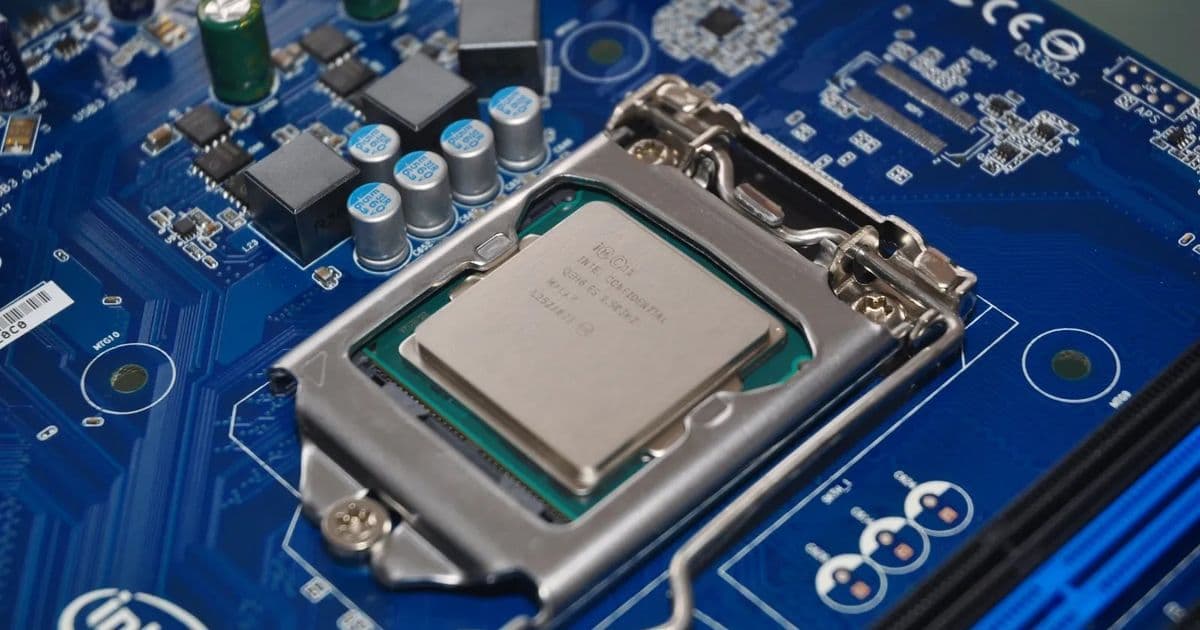
Fedora Linux is evaluating whether to build x86_64-v3 optimized packages alongside traditional x86_64 binaries for Fedora 45, potentially doubling performance on modern CPUs but also doubling storage and build requirements across the distribution's infrastructure.
The Fedora Engineering and Steering Committee (FESCo) is currently evaluating a proposal that could significantly impact how Fedora Linux packages are built and distributed. The change request, filed for Fedora 45 scheduled for October 2026, would introduce x86_64-v3 micro-architecture feature level packages alongside the existing x86_64-v1 baseline packages.
What is x86_64-v3 and Why Does It Matter?
The x86_64-v3 instruction set level represents a significant step forward in CPU capabilities, mandating support for modern instruction set extensions including AVX, AVX2, BMI2, and FMA. This feature level corresponds to Intel Haswell processors (4th generation Core) and newer, or AMD Excavator (Carizzo) and Zen architectures and beyond.
For users with modern hardware, this could translate to meaningful performance improvements. Applications compiled with AVX2 and FMA instructions can execute certain operations more efficiently, potentially yielding 10-30% performance gains in compute-intensive workloads like video encoding, scientific computing, and certain database operations.
The Infrastructure Challenge
While the performance benefits are clear for supported hardware, the proposal faces significant logistical hurdles. Building packages for both x86_64-v1 and x86_64-v3 would effectively double the infrastructure requirements across Fedora's build system:
- Build time: Each package must be compiled twice, once for each architecture level
- Storage: Mirrors must store both versions, potentially doubling disk space requirements
- Bandwidth: Users downloading packages may need to fetch larger archives
- Maintenance complexity: Package maintainers must ensure both versions remain compatible and up-to-date
The current proposal doesn't suggest dropping support for the baseline x86_64-v1 architecture. Instead, it aims to complement existing packages with optimized versions, allowing users to choose based on their hardware capabilities.
Community Response and Timeline
The proposal has sparked considerable discussion within the Fedora community, with 45 comments already posted on the proposal thread. Some contributors have expressed concerns about the increased infrastructure burden, particularly for smaller mirrors and downstream distributions that rely on Fedora packages.
FESCo will need to weigh these concerns against the potential benefits for users with modern hardware. The decision will likely come in the coming weeks as the Fedora 45 development cycle progresses.
Comparison with Other Distributions
Fedora wouldn't be alone in offering optimized packages. Other distributions have taken different approaches:
| Distribution | x86_64-v3 Support | Approach |
|---|---|---|
| Ubuntu | Limited | Only for specific packages |
| openSUSE | Experimental | Tumbleweed only |
| Arch Linux | Available | Community repositories |
| Gentoo | Full | USE flags for optimization |
What This Means for Users
If approved, Fedora 45 users would see new options when installing packages. The package manager would likely default to x86_64-v1 for maximum compatibility, but users could opt into x86_64-v3 packages for performance-critical applications on supported hardware.
This change represents a broader trend in Linux distributions toward hardware-specific optimizations. As CPU instruction sets have evolved more rapidly in recent years, the gap between baseline compatibility and modern performance capabilities has widened, making such proposals increasingly relevant.
For now, the Fedora community continues to debate the merits and challenges of this proposal. The outcome will set an important precedent for how Linux distributions balance performance optimization against infrastructure complexity in an era of rapidly evolving hardware capabilities.
Comments
Please log in or register to join the discussion