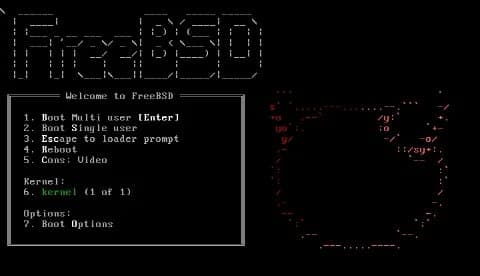
The third beta release of FreeBSD 15.1 introduces OpenZFS 2.4.2, automated cloud image updates, and infrastructure improvements ahead of the early June release.
FreeBSD 15.1 Beta 3 has been released as the latest development milestone in the lead-up to the stable FreeBSD 15.1 release scheduled for early June 2026. This beta release brings significant updates to the OpenZFS implementation, enhances cloud image deployment capabilities, and includes various infrastructure improvements that will benefit both enterprise users and cloud service providers.
The most notable technical update in FreeBSD 15.1 Beta 3 is the upgrade to OpenZFS 2.4.2, which was released just last week. OpenZFS 2.4.2 introduces several important fixes and minor performance enhancements that improve the reliability and efficiency of FreeBSD's enterprise-grade file system and volume manager. OpenZFS remains one of FreeBSD's most valued components, offering advanced features like data integrity verification, snapshots, compression, and deduplication that are critical for modern storage infrastructure.
Another significant improvement in this beta release is the enhancement to cloud images, which now automatically run pkg upgrade on first boot. This ensures that cloud deployments receive necessary security updates immediately upon initialization, addressing a common challenge in cloud environments where systems might remain unpatched for extended periods. This automated update mechanism brings FreeBSD's cloud deployment capabilities in line with other major operating systems, reducing the window of vulnerability for new cloud instances.
The release also includes updates to Kerberos, strengthening FreeBSD's authentication and security capabilities. Additionally, the scripted bsdinstall installations have been transitioned to use pkgbase, which should improve package management consistency and reduce potential conflicts during installation processes.
FreeBSD 15.1 continues to focus on hardware compatibility and performance enhancements, with device driver updates for newer hardware support and continued virtualization improvements. The development team has also added DTrace probes support on PowerPC architectures, expanding the powerful observability tool to additional processor architectures. The sched_ule scheduler has been implemented as a scheduler instance, providing more flexibility in process scheduling.
One notable feature that won't be making it into FreeBSD 15.1 is the KDE desktop option in the installer, which has been deferred to FreeBSD 15.2. This decision allows the team to focus on more critical infrastructure improvements for the 15.1 release.
The removal of Oracle Cloud Infrastructure build targets reflects shifting priorities in the FreeBSD development ecosystem, as the community concentrates resources on more widely used cloud platforms and deployment scenarios.
FreeBSD 15.1 Beta 3 represents the third weekly test candidate in the release cycle, with FreeBSD 15.1 release candidate expected next week as the final milestone before the general availability of FreeBSD 15.1-RELEASE around June 2, 2026. Interested users can download FreeBSD 15.1 Beta 3 from the official FreeBSD mirrors and refer to the FreeBSD mailing list for detailed information on this development milestone.
As the release date approaches, FreeBSD continues to strengthen its position as a robust, secure operating system choice for enterprise environments, cloud infrastructure, and high-performance computing applications. The combination of OpenZFS enhancements, improved cloud deployment mechanisms, and ongoing hardware support improvements positions FreeBSD 15.1 to be a significant release for users and organizations relying on this open-source operating system.
Comments
Please log in or register to join the discussion