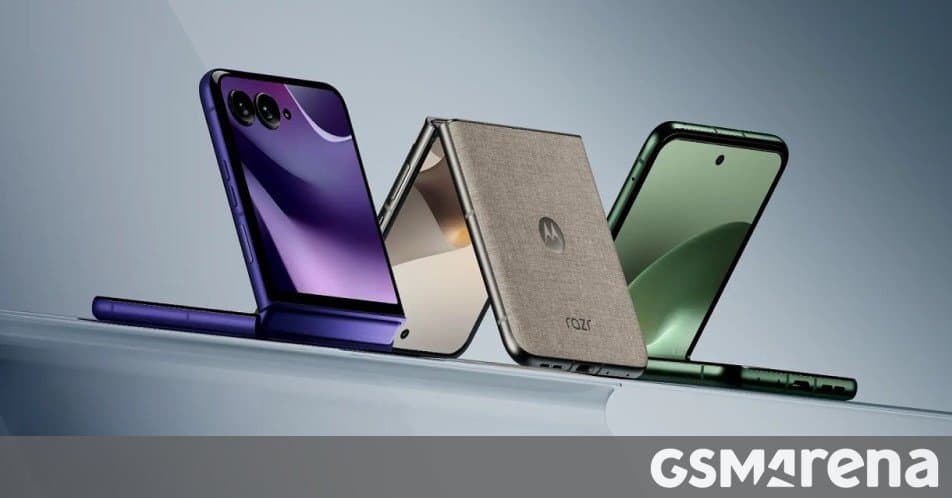
Consumer sentiment on Motorola's latest flip foldables reveals significant concerns about pricing and software support, with only the Ultra model finding modest acceptance in the market.
Motorola's latest flip foldable lineup, the Razr 70 series (known as Razr 2026 in the US), is facing considerable skepticism from consumers according to recent poll results conducted by GSMArena. The overwhelming consensus across all three models points to a fundamental pricing problem that, combined with concerns about software support policies, makes these devices a tough sell in the current market.
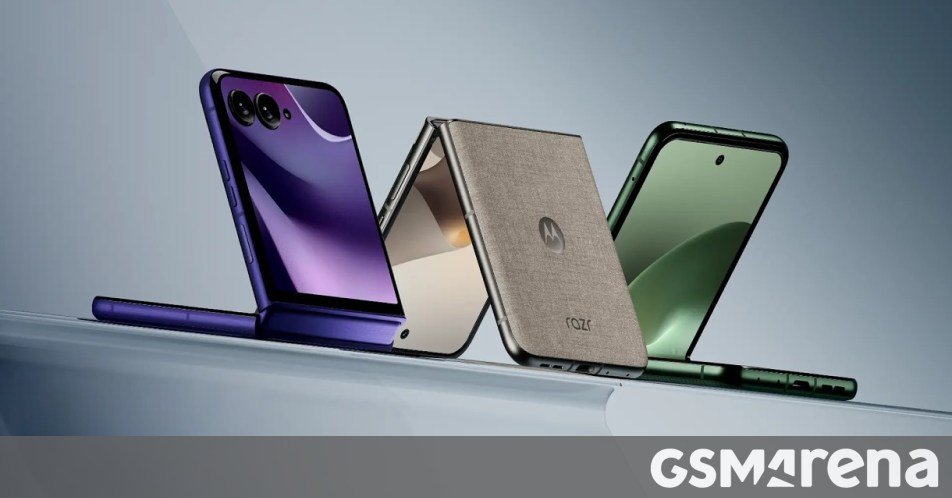
The poll highlights a consistent theme across the entire Razr 70/2026 series: these devices are perceived as overpriced for what they offer. While there are three distinct models in the lineup, each with its own specifications and price point, consumers appear united in their assessment that Motorola is asking too much for these flip foldables.
The Razr 70 Ultra: Modest Acceptance Despite Premium Pricing
The Motorola Razr 70 Ultra, branded as Razr Ultra 2026 in the US, emerged as the most popular option among voters, capturing 15% of the poll results. This represents the strongest showing for any single model in the lineup, yet it's hardly a ringing endorsement for a device priced at $1,500 / €1,400 / £1,200.
Several factors contribute to the lukewarm reception. The device utilizes the Snapdragon 8 Elite chipset, which is now considered older hardware in the premium smartphone segment. More concerning is Motorola's inconsistent approach to software support. In the UK and Germany, the company promises "up to 3" OS updates and "up to 5 years" of security patches. However, in the US market, Motorola makes no promises at all regarding update longevity.
This inconsistent update policy is particularly problematic when considering the premium price point. Even with the most generous interpretation of Motorola's update commitments, the Razr 70 Ultra will become obsolete faster than similarly priced flagship devices from competitors like Samsung or Google. Motorola already struggles with its reputation for timely software updates, and this situation doesn't help improve that perception.
The Razr 70+: Questionable Value Proposition
The Motorola Razr 70+ (Razr+ 2026 in the US) presents a value proposition that many consumers find difficult to justify. Priced at $1,100 / €1,150 / £1,000, this device builds on the 2024 hardware platform rather than introducing significant new technology.
The most notable changes from its predecessor include the replacement of the 2x/47mm telephoto camera (which was of limited usefulness) with a 50MP ultra-wide camera and a 500mAh increase in battery capacity, bringing the total to 4,500mAh. While these are welcome improvements, they don't fundamentally justify the hefty price tag.
The device is powered by the Snapdragon 8s Gen 3 chipset, which would have been an excellent choice if not for its premium pricing. At this price point, consumers can purchase a new Samsung Galaxy S26 Ultra or come very close to the cost of an iPhone 17 Pro. While Motorola's $100 price increase from last year can be understood given market conditions, many question why anyone would pay premium prices for hardware that is already a generation behind the latest offerings.
The Vanilla Razr 70: Caught in the Middle
The Motorola Razr 70 (Razr 2026 in the US) represents the entry point to this foldable lineup, priced at $800 / €870 / £800. However, this "budget" option still carries a premium price that many consumers find difficult to justify, especially when considering the mid-range hardware specifications.
What makes this positioning particularly challenging is Motorola's own pricing strategy for previous-generation models. In the US, Motorola continues to sell last year's Razr Ultra 2025 with 1TB of storage for exactly $800—the same price as the new vanilla Razr 70 model, which comes with only 256GB of storage and less capable hardware.
In European markets, the situation is even more favorable for consumers, with the Razr 60 Ultra available for as low as €650 for a 256GB unit. This creates a significant value proposition dilemma for potential buyers who must question why they would purchase the new vanilla model when they can obtain last year's Ultra model with superior specifications for less money.
Self-Competition and Market Confusion
Motorola's current strategy of selling both current and previous-generation models simultaneously creates significant market confusion and undermines the value proposition of their newest offerings. The question potential buyers are asking isn't just "Should I buy a Razr?" but "Which Razr should I buy?"—and in many cases, the answer appears to be last year's model.
This internal competition makes the Razr 70 series a tough sell in the marketplace. Why would someone purchase the Razr 70 Ultra when they can obtain the very similar Razr 2025 Ultra for significantly less money? This pricing strategy not only confuses consumers but also erodes confidence in the value of Motorola's newest products.
Software Support Concerns
n Beyond pricing, Motorola's software update policy remains a significant concern for potential foldable buyers. The company's reputation for timely and comprehensive software updates has never been on par with industry leaders like Samsung, Google, or Apple. This perception is particularly problematic for premium-priced devices like the Razr series, where consumers expect longer support lifespans.
The inconsistent update promises across different regions further complicate the situation. While some European markets receive concrete (if limited) commitments regarding OS updates and security patches, US customers get no such assurances. This regional disparity creates an uneven experience and makes it difficult for consumers to assess the true long-term value of these devices.
In the premium foldable segment, where devices already command premium prices, consumers expect premium support. Motorola's current update policy doesn't meet these expectations, contributing to the perception that Razr devices have a limited shelf life compared to similarly priced alternatives.
Market Context and Competitive Landscape
The foldable smartphone market has evolved significantly in recent years, with increasing competition driving innovation and, in some cases, better value propositions. Samsung continues to dominate the space with its Galaxy Z series, offering a combination of hardware innovation, software support, and brand recognition that Motorola struggles to match.
Google's Pixel Fold has also established itself as a premium alternative with superior camera capabilities and guaranteed software support from the Android developer itself. Even Chinese manufacturers like Oppo and Vivo are making inroads with competitively priced foldables that often offer better specifications than Motorola's offerings.
In this competitive landscape, Motorola's Razr 70 series appears to be struggling to find its footing. The devices don't offer the cutting-edge technology of Samsung's latest foldables, nor do they provide the software guarantees that Google provides. Instead, they occupy a middle ground that doesn't particularly excel in any single area while commanding premium prices.
Consumer Takeaway
The poll results clearly indicate that Motorola needs to address several fundamental issues with its Razr 70/2026 series to succeed in the competitive foldable market. Pricing appears to be the most immediate concern, with consumers feeling that all three models are significantly overpriced given their specifications and Motorola's software support track record.
The company would likely benefit from either reducing prices to more competitive levels or significantly enhancing the hardware specifications and software support commitments to justify the premium pricing. Additionally, Motorola should consider simplifying its product lineup and discontinuing older models when new devices are released to avoid the current situation of self-competition.
For consumers considering a Razr device, the current market situation presents an interesting opportunity. With Motorola offering previous-generation models at competitive prices, those willing to forgo the absolute latest technology can obtain capable foldable devices at more reasonable price points. However, those seeking the newest technology with guaranteed long-term support may want to consider alternatives from more reliable manufacturers.
As Motorola continues to develop its foldable strategy, the company would be wise to listen to consumer feedback and address the core concerns raised in this poll. Without significant adjustments to pricing and software support policies, the Razr 70 series may struggle to gain meaningful traction in an increasingly competitive market.
Comments
Please log in or register to join the discussion