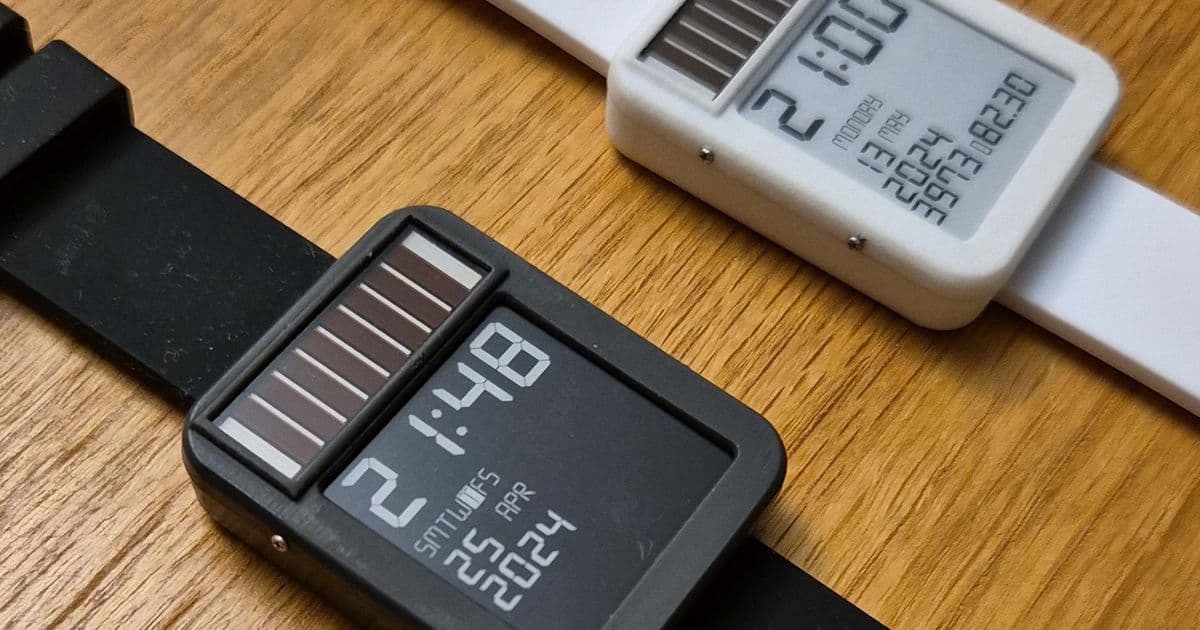
A new DIY e-ink smartwatch project combines solar charging, LoRa connectivity, and GPS to deliver exceptional battery life of up to 10 months, though requiring assembly skills and currently lacking a companion app.
The LightInk smartwatch represents an interesting approach to wearable technology, focusing on extreme battery life rather than the feature-packed experience of commercial smartwatches. Unlike most solar-powered smartwatches like the Garmin Fenix series, which integrate solar panels almost invisibly into the display, LightInk takes a more visible approach with a clearly separate solar panel. This design choice likely maximizes solar collection efficiency at the expense of aesthetics.
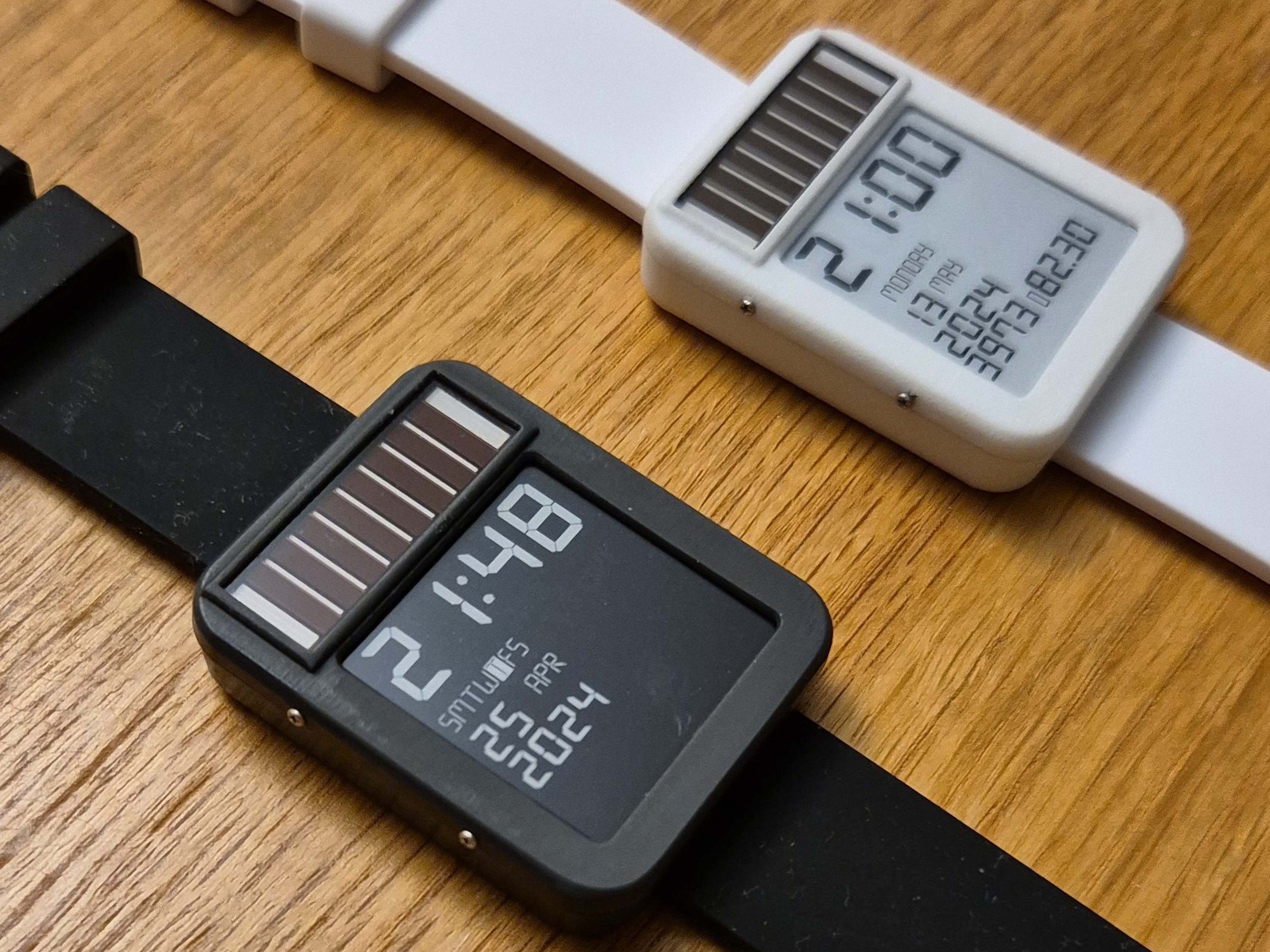
The project is not a commercially available product but rather a DIY build that requires users to assemble the watch themselves. According to the project documentation, interested individuals need to have circuit boards manufactured by a service provider, access to a 3D printer, and basic soldering skills. The trade-off for this hands-on approach is impressive battery performance—up to 10 months of use from a 100mAh battery, which is exceptional for any smartwatch, let alone one with GPS and connectivity features.
The LightInk features an E Ink display that remains perfectly readable in direct sunlight, a significant advantage over traditional LCD or OLED displays used in most smartwatches. It also includes a backlight for use in low-light conditions, addressing a common limitation of e-ink devices. Connectivity options include LoRa (long-range radio communication) and GPS, positioning it as a capable outdoor device. A speaker is included for audio feedback, though notably, there's no accelerometer—likely a deliberate power-saving choice.
When compared to commercial solar-powered smartwatches like the Garmin Fenix 8, the LightInk presents both advantages and significant limitations. The most striking difference is battery life: while premium smartwatches typically last 5-14 days on a single charge, the LightInk's claimed 10-month battery life is approximately 20-40 times longer. This extreme longevity comes at the cost of features and convenience.
The Garmin Fenix 8, for comparison, includes comprehensive health tracking, advanced running dynamics, detailed sleep analysis, and a full suite of smart notifications. It also has a companion app with extensive customization options and social features. The LightInk, in contrast, currently lacks a companion app and has more basic functionality. Its position between a traditional wristwatch and a smartwatch is evident in its feature set—offering time display, GPS location tracking, and LoRa communication, but without the rich ecosystem of apps and sensors found in commercial products.
The display technology also differs significantly. While the Fenix 8 uses a traditional transflective LCD that can be difficult to read in bright sunlight, the LightInk's E Ink display offers superior sunlight readability. However, E Ink displays typically have slower refresh rates, which would make animations and quick updates less fluid than on traditional displays.
The build quality and finish will also differ substantially. Commercial smartwatches like the Fenix 8 feature premium materials, water resistance, and industrial design that has undergone extensive testing and refinement. The LightInk, being a DIY project, will have variable build quality depending on the maker's skill and the quality of components used.
The LightInk smartwatch project clearly targets a specific niche: technically inclined individuals who prioritize battery life above all else and enjoy hands-on projects. It's particularly well-suited for:
Outdoor enthusiasts who need reliable timekeeping and GPS navigation without worrying about charging during extended trips. The 10-month battery life means it could potentially last through multiple backpacking expeditions or long-distance hikes without needing a recharge.
LoRa capability suggests appeal to users in areas with limited cellular coverage or those who need long-range communication without relying on traditional cellular networks. This could include researchers, field workers, or individuals in remote locations.
DIY enthusiasts and makers who enjoy building their own technology will appreciate the assembly process and the opportunity to customize their device. The project documentation provides a detailed guide for those with the necessary technical skills.
Minimalists who prefer the simplicity of traditional watches but want some smart features like GPS and connectivity might find the LightInk appealing, especially if they're willing to forgo the app ecosystem and advanced sensors.
For those interested in exploring this unique approach to wearable technology, the GitHub repository contains all the necessary information for building a LightInk smartwatch, including schematics, 3D printing files, and assembly instructions. The project represents an interesting alternative to commercial products, trading convenience and features for exceptional battery life and a hands-on building experience.
Comments
Please log in or register to join the discussion