
GNOME 50.1 releases with critical performance fixes for NVIDIA users, reverting problematic patches and addressing freezes in the Mutter compositor.
The GNOME project has released Mutter 50.1 and GNOME Shell 50.1 as the first point updates to the GNOME 50 series, bringing crucial fixes for NVIDIA graphics users who experienced performance regressions with the initial release.
NVIDIA Performance Regression Fixed
The most significant fix in Mutter 50.1 addresses a performance regression that affected users running certain NVIDIA driver versions, particularly the R595 series. The issue manifested as stuttering and reduced performance compared to previous GNOME versions.
The root cause was traced to a patch that had removed the META_DEADLINE_TIMER_STATE_INHIBITED usage. While this change was intended to optimize performance, it inadvertently caused problems with at least some NVIDIA driver versions. The Mutter 50.1 release reverts this patch, restoring the expected performance levels for affected users.
This fix directly addresses bug reports from users experiencing degraded performance when upgrading to GNOME 50, where the compositor's interaction with NVIDIA's driver stack became noticeably less smooth.
Critical NVIDIA Freeze Issues Resolved
Beyond performance regressions, Mutter 50.1 also tackles more severe stability issues. Developer Michel Dänzer has implemented fixes for freezes and deadlocks that occurred specifically when using NVIDIA graphics hardware. These stability problems could cause the entire compositor to become unresponsive, requiring users to restart their sessions.
The freeze issues were particularly problematic as they affected system usability rather than just performance, making this fix essential for maintaining a reliable desktop experience on NVIDIA hardware.
Additional Mutter 50.1 Improvements
Alongside the NVIDIA-specific fixes, Mutter 50.1 includes several other important improvements:
- Text rendering fix: Properly applies Pango scale attributes to text, ensuring consistent font scaling across applications
- Window management: Correctly moves minimized maximized windows to different monitors when display configurations change
- Screencast optimization: Reduces buffer usage for screencast streams, improving efficiency for screen recording and remote desktop applications
GNOME Shell 50.1 Enhancements
The companion GNOME Shell 50.1 release focuses on usability improvements and bug fixes:
- On-screen keyboard: Better fitting on very small screens, improving touch interface usability
- Network agent: Enabled on the lock screen, allowing network-related operations without full login
- Captive portal support: Basic zoom functionality added for captive portal authentication screens
- Memory leak fix: Addresses a memory leak issue that could degrade performance over time
Impact and Availability
These point releases demonstrate the GNOME project's responsiveness to user feedback, particularly regarding the NVIDIA driver compatibility issues that emerged with the major GNOME 50 release. The quick turnaround on these fixes should provide relief for users who experienced degraded performance or stability issues.
Both Mutter 50.1 and GNOME Shell 50.1 are available now through standard update channels. Users experiencing the described issues should expect immediate improvements after updating their systems.
A formal GNOME 50.1 release announcement is expected shortly, which will likely include additional fixes and improvements across the broader GNOME ecosystem beyond just Mutter and Shell.
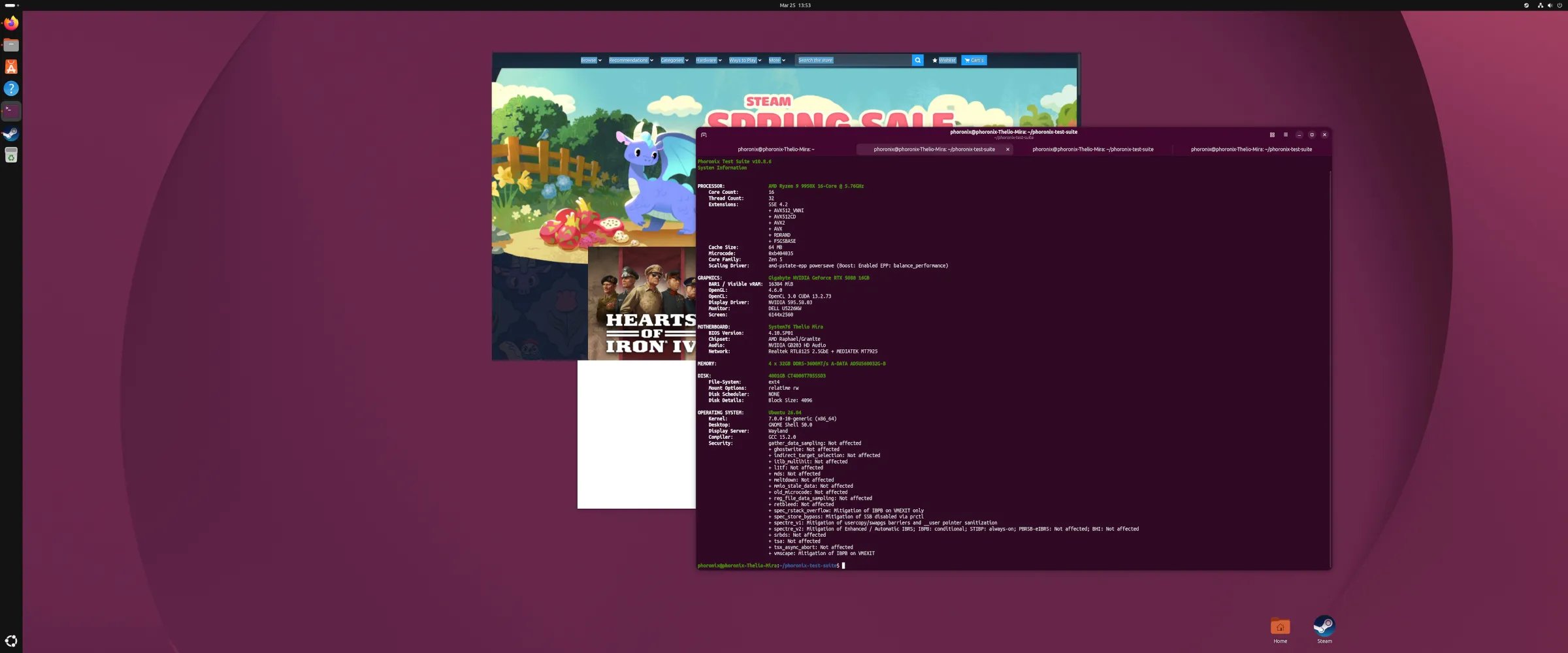
The fixes in Mutter 50.1 highlight the ongoing challenges in maintaining compatibility between desktop environments and graphics drivers, particularly with NVIDIA's proprietary driver stack on Linux. The rapid response from the GNOME development team shows their commitment to maintaining performance and stability across different hardware configurations.
Comments
Please log in or register to join the discussion