
The Pixel 10a offers solid battery life and camera quality but delivers minimal improvements over its predecessor, with disappointing gaming performance and few compelling reasons to upgrade.
The Google Pixel 10a continues the company's tradition of offering solid mid-range smartphones, but this year's model struggles to justify its existence as a meaningful upgrade. With a starting price of $499, the Pixel 10a delivers on Google's core promises: excellent battery life, a capable camera system, and the clean Android experience that Pixel users have come to expect. However, the device's weak gaming performance and minimal improvements over the Pixel 9a raise questions about whether this incremental update serves consumers or Google's product strategy.
Battery Life: The Standout Feature
The Pixel 10a's battery performance is genuinely impressive. Google has managed to squeeze even more endurance out of this year's model, with the device easily lasting through a full day of heavy use and often stretching into a second day with more moderate usage patterns. The combination of Google's software optimizations and the efficient Tensor G4 chip contributes to this longevity, making the Pixel 10a an excellent choice for users who prioritize battery life above all else.
The charging speeds remain modest at 18W wired and 12W wireless, which feels increasingly outdated in a market where competitors are pushing 30W+ charging. However, given the exceptional battery life, the slower charging speeds are less of a concern for most users.
Camera System: Familiar Excellence
Google's camera reputation remains intact with the Pixel 10a. The device features the same dual-camera setup as its predecessor: a 48MP main sensor and a 12MP ultrawide lens. Photo quality remains excellent, with Google's computational photography continuing to produce vibrant, detailed images in various lighting conditions.
Design: No Camera Bump, But Otherwise Familiar
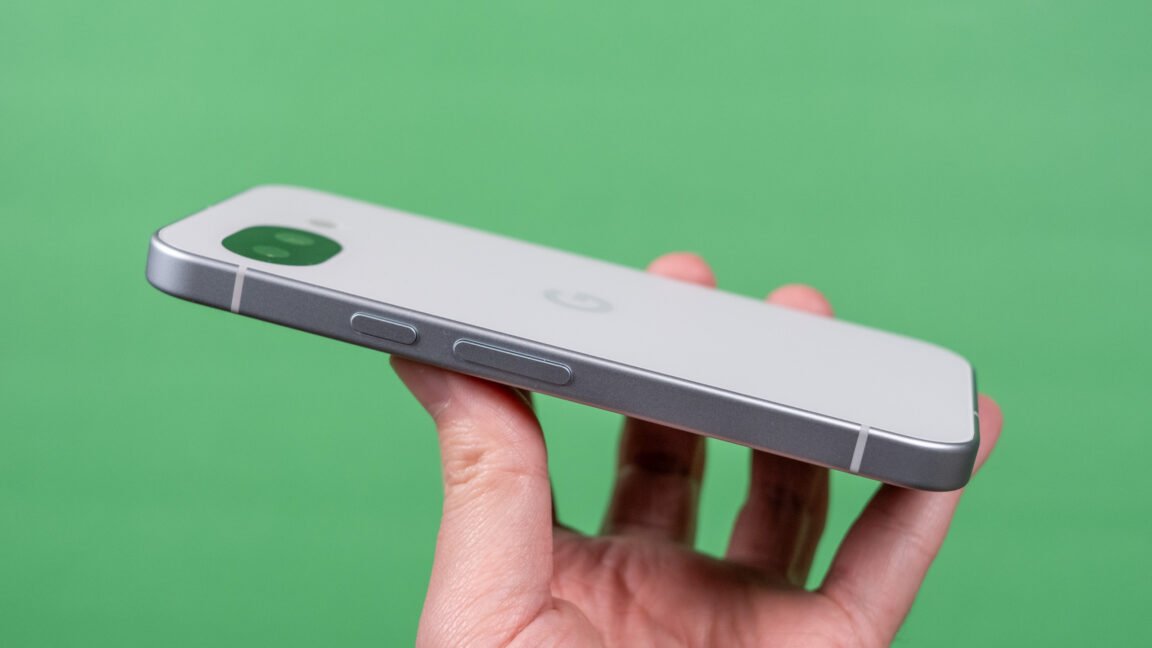
One of the more notable changes is the elimination of the camera bump. Google has managed to integrate the camera system flush with the phone's back, giving the Pixel 10a a cleaner aesthetic. The device maintains the Pixel's signature design language with its matte finish and distinctive color options.
However, beyond the camera integration, the design remains largely unchanged from the Pixel 9a. The 6.1-inch OLED display, aluminum frame, and overall dimensions are nearly identical, making it difficult for casual observers to distinguish between the two generations.
Performance: Gaming Falls Short
Where the Pixel 10a stumbles significantly is in gaming performance. The Tensor G4 chip, while adequate for everyday tasks, struggles with graphically demanding games. Frame rates drop noticeably in titles like Genshin Impact and Call of Duty: Mobile, and the device tends to heat up quickly during extended gaming sessions.
This weakness is particularly disappointing given that gaming performance has become an increasingly important consideration for smartphone buyers, even in the mid-range segment. Competitors like the Samsung Galaxy A55 and Nothing Phone 2a offer noticeably better gaming experiences at similar price points.
The Upgrade Question
The central dilemma with the Pixel 10a is whether it represents a worthwhile upgrade for existing Pixel users. For Pixel 9a owners, the answer is almost certainly no. The improvements are too incremental to justify the cost of upgrading, especially when the Pixel 9a remains a capable device that will continue receiving software updates for years to come.
Even for users coming from older Pixel models or other Android devices, the Pixel 10a's value proposition is questionable. The device offers little that distinguishes it from its predecessor beyond the camera bump elimination and slightly better battery life.
Software and Updates
Google maintains its commitment to long-term software support, promising seven years of Android updates and security patches. This longevity is a significant selling point for the Pixel line and helps justify the premium over some competitors. However, this advantage is somewhat diminished by the fact that the Pixel 9a will receive the same update timeline.
Market Context
The Pixel 10a enters a crowded mid-range market where competition is fiercer than ever. Devices like the Samsung Galaxy A55, Nothing Phone 2a, and various offerings from OnePlus and Xiaomi offer compelling alternatives with different strengths. The Pixel 10a's primary advantages remain its software experience, camera quality, and battery life, but these may not be enough to sway consumers who prioritize other features.
Conclusion: A Safe, Uninspiring Update
The Pixel 10a is a competent smartphone that delivers on Google's core promises of excellent battery life and camera quality. However, it represents a missed opportunity to meaningfully advance the Pixel A series. The minimal improvements over the Pixel 9a, combined with disappointing gaming performance, make it difficult to recommend as an upgrade for existing Pixel users.
For first-time Pixel buyers or those coming from much older devices, the Pixel 10a remains a solid choice, particularly if battery life and camera quality are top priorities. However, consumers should carefully consider whether the Pixel 10a's specific strengths align with their needs, as competitors offer different feature combinations that might better suit other use cases.
The Pixel 10a ultimately feels like a placeholder rather than a purposeful evolution, raising questions about Google's strategy for its mid-range lineup and whether the company is content to iterate rather than innovate in this crucial market segment.
Comments
Please log in or register to join the discussion