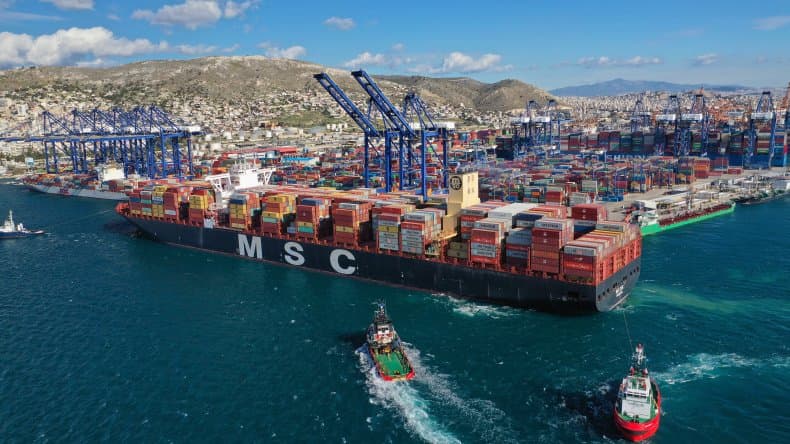
The closure of the Strait of Hormuz has pushed bunker fuel costs up nearly 70%, prompting carriers to pass the expense to shippers. Spot rates on major Asia‑Europe and trans‑Pacific lanes have jumped 30‑130% since February, while effective capacity has slipped almost 20% due to slower steaming and port congestion.
Hormuz Crisis Drives Container Freight Rates to Multi‑Year Peaks
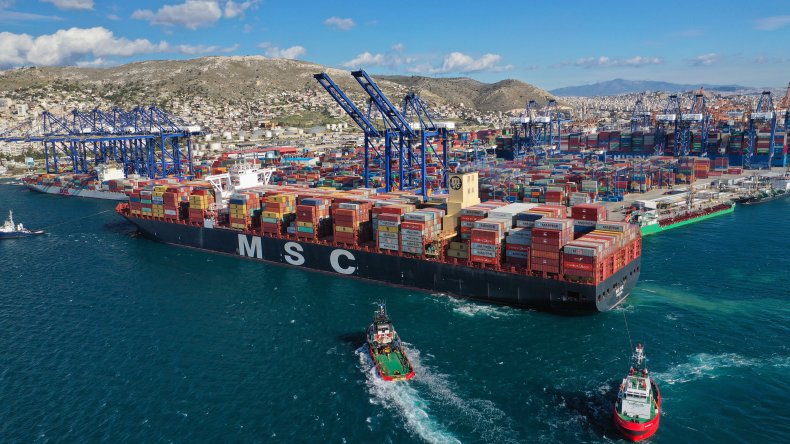
The effective shutdown of the Strait of Hormuz has become the latest catalyst for a sharp rise in container freight rates. Data from the Shanghai Containerized Freight Index (SCFI) shows the global composite index at 2,572 points for the week ending 29 May 2026 – a 16 % increase over the previous week and roughly double the level recorded before the conflict began.
What the numbers say
- Bunker fuel costs have surged 68 % for very‑low‑sulphur fuel (VLSFO) and 66 % for high‑sulphur fuel oil since mid‑February, according to Ship & Bunker. The average VLSFO price hit US$856 / tonne.
- Carrier earnings reflect the extra fuel bill: Maersk reports about US$500 million in additional monthly fuel expenses, while Hapag‑Lloyd cites €50‑60 million per week.
- Spot rates have risen across the board:
- Shanghai‑Los Angeles: +59 % (Drewry) / +74 % (Xeneta)
- Shanghai‑New York: +66 %
- Shanghai‑Genoa: +50 % (World Container Index)
- Shanghai‑Rotterdam: +37 %
- Effective capacity is down about 19 %: 12 % from carriers avoiding the Red Sea, 2 % from slow‑steaming, and 5 % from port congestion (MPC Container Ships).
These figures place current rates at their highest levels since the Red Sea disruption of September 2024.
Why the surge matters
- Cost pass‑through – Shipping lines are adding fuel surcharges to freight invoices, effectively treating higher bunker prices like a fuel‑pump surcharge for road transport. Importers see their landed‑cost calculations inflate dramatically.
- Supply‑demand imbalance – Even though new‑build capacity is expanding, the combination of slower speeds and route avoidance reduces the ships actually available for cargo, tightening the market.
- Early peak‑season dynamics – Traders are pulling shipments into June to avoid the July 1 bunker‑fuel adjustment, creating a temporary demand spike that further lifts spot rates.
- Macroeconomic overlay – U.S. importers also face elevated tariff levels (average 11.8 % according to Yale’s Budget Lab), adding another layer of cost pressure on top of freight.
Counter‑perspectives
- Potential for rate correction – Some analysts argue that the current surge is partly speculative. If the Strait reopens or alternative routes become viable, bunker prices could retreat, and carriers might be forced to lower surcharges.
- New‑building supply – The industry’s pipeline of boxships is expected to increase capacity by 1.2 million TEU by the end of 2027. Should demand soften, the oversupply could push rates down despite short‑term pressures.
- Environmental regulations – The International Maritime Organization’s 2025 sulphur cap already pushed fuel prices higher. If stricter carbon‑pricing schemes are introduced, carriers could face additional cost layers that may be harder to pass on, potentially eroding profit margins.
- Alternative routing – While many carriers avoid the Red Sea, some are experimenting with longer routes via the Cape of Good Hope. The extra distance adds fuel consumption but may offer more predictable schedules, which could appeal to shippers willing to pay a premium for reliability.
What shippers can do now
- Lock in rates – Forward contracts or long‑term agreements can hedge against further spot‑rate spikes.
- Review fuel‑surcharge clauses – Understanding how carriers calculate surcharges helps in negotiating more transparent pricing.
- Diversify origins – Sourcing from regions less dependent on the Asia‑Europe or trans‑Pacific lanes can mitigate exposure to a single market shock.
- Monitor Brent crude – Since VLSFO tracks Brent, keeping an eye on oil‑price forecasts provides an early signal of potential bunker‑fuel movements.
The Hormuz crisis illustrates how a regional geopolitical flashpoint can reverberate through global supply chains, turning a fuel‑price shock into a market‑wide freight‑rate surge. While carriers have so far managed to preserve earnings, the balance remains fragile, and the next few weeks will reveal whether the current price level is a temporary peak or the new normal.
Sources: Drewry, Xeneta, Ship & Bunker, Maersk Investor Relations, Hapag‑Lloyd Press Releases
Comments
Please log in or register to join the discussion