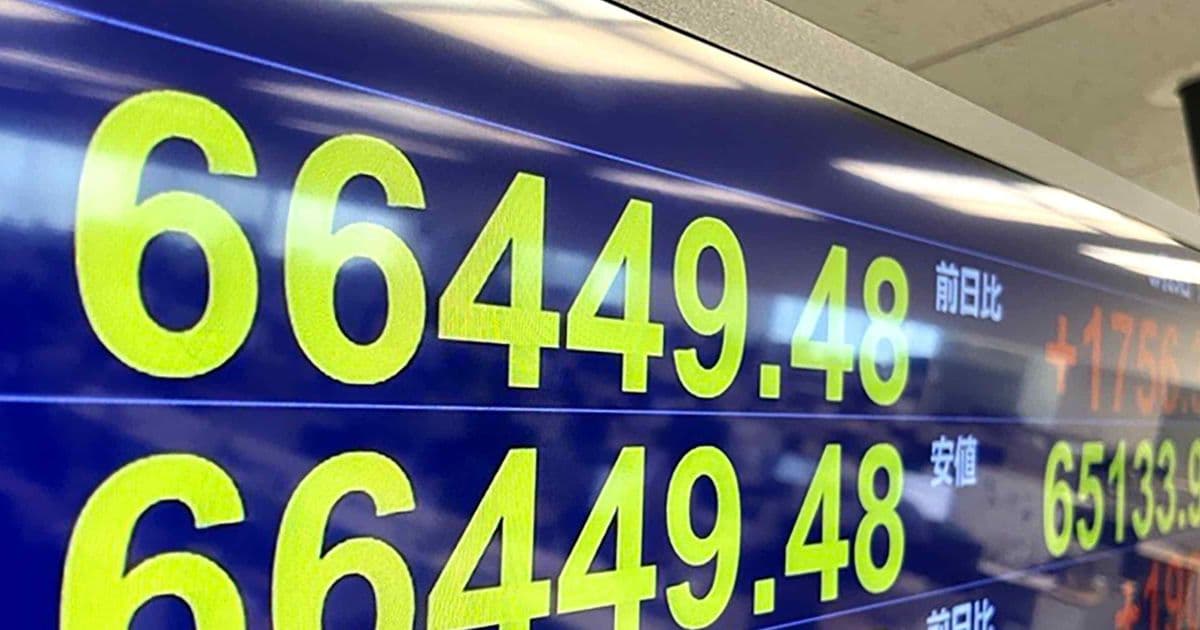
Japan’s Nikkei and South Korea’s KOSPI surged to all‑time highs as investors priced in a tentative U.S.–Iran agreement that could reopen the Strait of Hormuz, boosting confidence in energy supplies and propelling tech stocks to new levels.
Market rally on geopolitical optimism
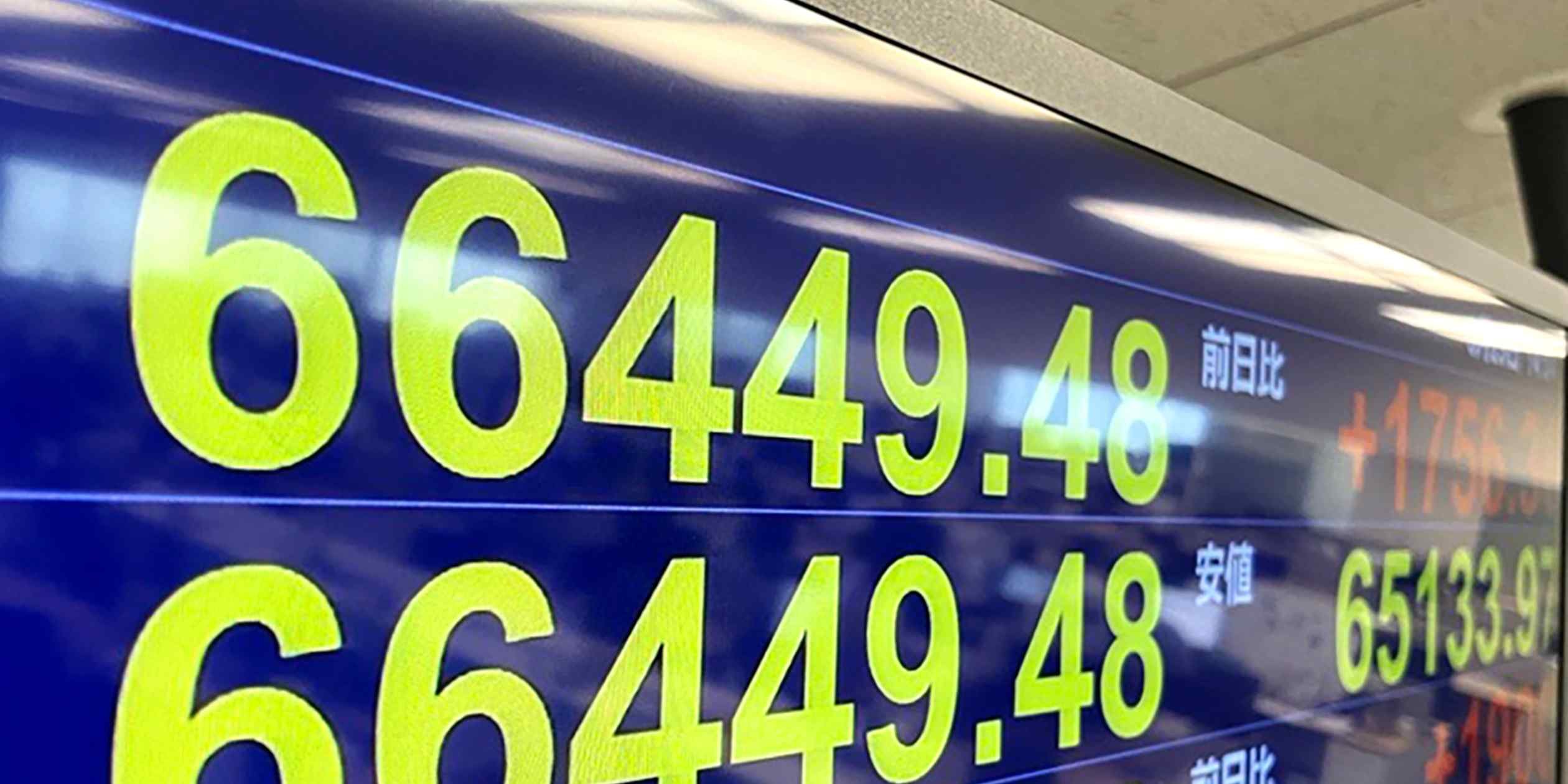
On Friday, Japan’s Nikkei 225 closed at 38,912 points, a fresh record, while South Korea’s KOSPI jumped 8.4% to 3,215 points, its highest level since 2022. The moves came as diplomatic channels between Washington and Tehran appeared to converge on a framework that would lift restrictions on commercial shipping through the Strait of Hormuz. Analysts estimate that a full reopening could restore up to $2 billion of daily oil‑related trade, easing the supply shock that has kept energy prices elevated since late 2024.
Tech stocks lead the charge
Even as the energy narrative dominated headlines, the bulk of the index gains were driven by semiconductor and software firms. Japan’s Tokyo Electron rose 4.2% after reporting a 12% year‑over‑year increase in wafer‑fab equipment orders, while Sony Group added 3.8% on better‑than‑expected gaming hardware sales. In South Korea, SK Hynix broke the $1 trillion market‑cap barrier, its shares climbing 6.5% after announcing a new AI‑optimized memory line that targets data‑center customers.
Financial figures that matter
| Metric | Japan (Nikkei) | South Korea (KOSPI) |
|---|---|---|
| Closing level | 38,912 (↑0.9%) | 3,215 (↑8.4%) |
| Top gainers | Tokyo Electron (+4.2%) | SK Hynix (+6.5%) |
| Sector performance | Tech +3.1%, Energy +1.4% | Tech +5.8%, Energy +2.0% |
| Yen/USD (spot) | 152.3 per $1 | — |
| Won/USD (spot) | — | 1,340 per $1 |
The yen’s modest appreciation against the dollar (from 154 to 152 per $1) also helped foreign investors repatriate profits, adding another layer of support to the equity rally.
Strategic implications
Energy security reassessment – A credible pathway to reopen Hormuz reduces the risk premium baked into oil futures. Companies with exposure to shipping and logistics, such as Mitsui O.S.K. Lines and Hyundai Glovis, are likely to see margin improvement as freight rates normalize.
Accelerated AI hardware spending – The SK Hynix milestone underscores how AI demand is reshaping capital allocation in East Asia. With Nvidia’s latest GPU roadmap prompting a surge in high‑bandwidth memory orders, regional fabs are expected to double their capacity investments by 2028, a trend that could lift the entire semiconductor supply chain.
Policy backdrop – The Bank of Japan’s yield‑curve control remains under pressure as bond yields climb toward 5%, prompting speculation about a taper of its massive asset‑purchase program. A stable geopolitical outlook may give policymakers the confidence to adjust rates without triggering market volatility.
Currency dynamics – A softer yen improves the competitiveness of Japanese exporters, but it also raises import costs for energy‑intensive industries. The net effect will hinge on how quickly oil prices respond to the Hormuz development.
What investors should watch
- Progress on the U.S.–Iran framework – Any concrete timetable for lifting sanctions will likely trigger another round of buying, especially in energy‑linked equities.
- AI memory demand – Quarterly shipments from SK Hynix and Samsung will be a leading indicator of how quickly AI workloads are scaling in data centers.
- Monetary policy moves – BOJ’s next policy meeting (scheduled for early June) could see a shift in yield‑curve control if inflation remains above target.
Overall, the convergence of geopolitical de‑escalation and robust tech earnings has created a rare alignment of factors that propelled Japan and South Korea to new market heights. While the Iran deal remains tentative, the market’s pricing of reduced risk suggests that any further positive signals could sustain the rally for the foreseeable future.
Comments
Please log in or register to join the discussion