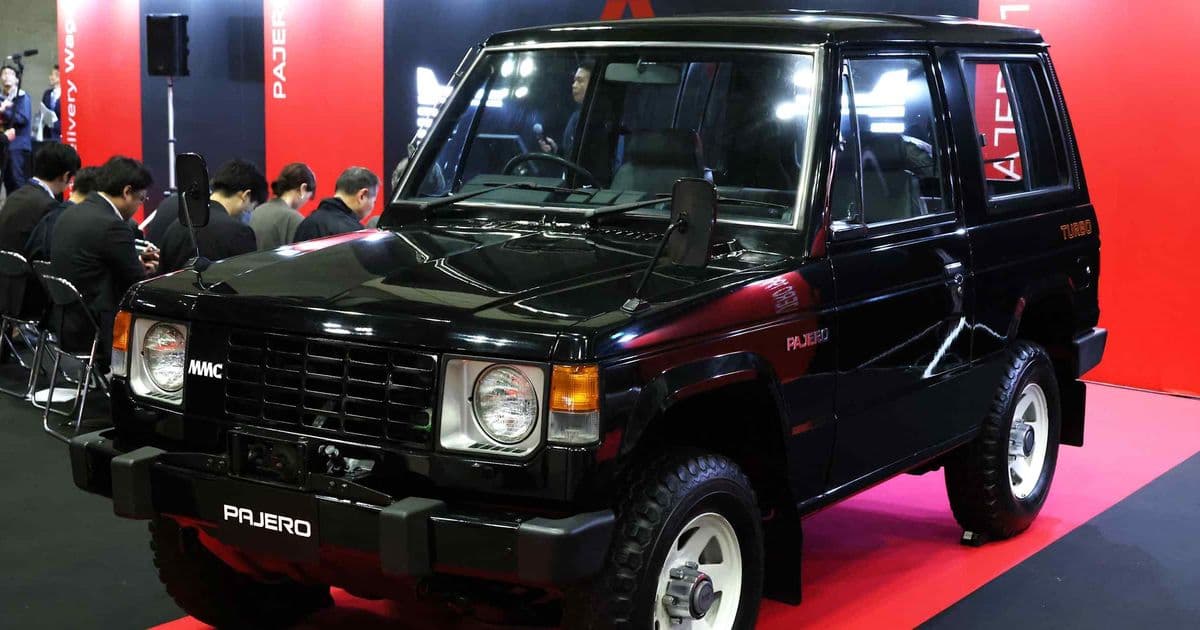
Mitsubishi Motors announced it will restart production of the Pajero SUV in Thailand, aiming to capture lingering demand in Southeast Asia and bolster its regional growth plan amid intensifying competition from Chinese manufacturers.
Mitsubishi Motors to revive Pajero SUV with production set for Thailand
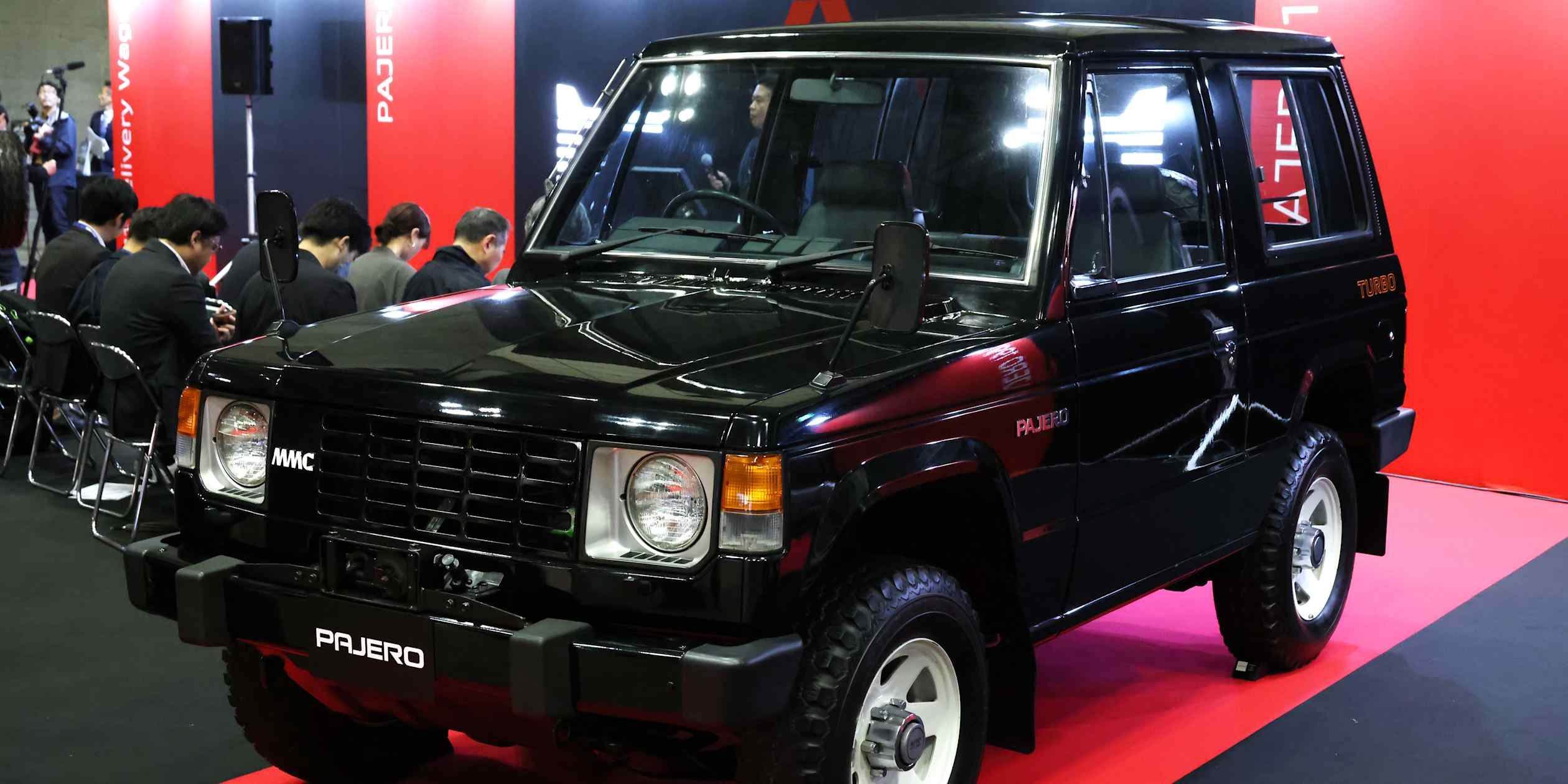
Mitsubishi Motors confirmed on May 29, 2026 that it will bring back the Pajero—its former flagship sport‑utility vehicle—by opening a new production line in Thailand. The decision follows a surge in customer inquiries for the discontinued model and aligns with the automaker’s broader push to expand its footprint in Southeast Asia.
Market context
Regional demand: Thailand remains the largest automotive manufacturing hub in ASEAN, accounting for roughly 30 % of the region’s vehicle output in 2025. Mitsubishi already operates a plant in Rayong, producing the Outlander and Eclipse Cross, giving it a ready‑made supply chain and skilled labor pool.
Competitive pressure: Chinese brands such as BYD, Geely and Chery have accelerated their entry into the ASEAN market, offering low‑cost, electrified SUVs that have eroded market share for traditional Japanese players. Mitsubishi’s overall ASEAN sales fell 8 % year‑over‑year in 2025, prompting a strategic reassessment.
Consumer sentiment: Despite the global shift toward electrification, a 2025 survey by J.D. Power showed that 42 % of Thai SUV buyers still prefer conventional gasoline powertrains for their perceived reliability and lower upfront cost. The Pajero, with its reputation for off‑road durability, fits that niche.
Regulatory backdrop: Thailand’s “Eco‑Car” incentive scheme, which subsidizes vehicles with fuel consumption under 6 L/100 km, expires at the end of 2025. Mitsubishi’s plan to launch a mild‑hybrid variant of the Pajero in 2027 could position the model to qualify for the next round of tax breaks.
What it means for Mitsubishi and the region
- Revenue lift: Mitsubishi projects the revived Pajero line will add ¥120 billion (≈ US$770 million) in annual revenue by 2029, assuming a modest 5 % market share in the Thai SUV segment.
- Supply‑chain utilization: Reactivating the Thailand plant will raise its capacity utilization from the current 68 % to over 85 %, improving economies of scale for shared components such as the 2.4‑liter gasoline engine used across several models.
- Brand reinforcement: The Pajero’s legacy—particularly its strong resale value and off‑road pedigree—offers Mitsubishi a rare branding asset that can differentiate it from Chinese entrants that rely heavily on price.
- Electrification pathway: While the initial rollout will be gasoline‑powered, Mitsubishi has filed a patent for a 48 V mild‑hybrid system that can be retrofitted to the Pajero platform. This signals a staged approach to meeting future emissions standards without abandoning a market segment that still values conventional powertrains.
- Strategic signal to investors: The move underscores Mitsubishi’s commitment to regional growth rather than retreating to its domestic market, where sales have been flat for three consecutive years. Analysts at Nomura have upgraded the stock’s target price by 5 %, citing the Thailand expansion as a catalyst.
Risks and challenges
- Currency volatility: The Thai baht has weakened by 4 % against the yen since the start of 2026, which could compress margins if input costs rise faster than anticipated.
- Supply‑chain disruptions: Ongoing shortages of semiconductor wafers and aluminum alloys in 2026 have already pushed production costs up by 12 % for Mitsubishi’s other models. Securing stable supplies for the Pajero line will be critical.
- Regulatory uncertainty: Should Thailand tighten emissions standards ahead of schedule, the gasoline‑only Pajero could face higher taxes, eroding its price advantage.
Bottom line
Mitsubishi’s decision to resurrect the Pajero in Thailand is a calculated bet on lingering demand for a rugged, gasoline‑powered SUV in a market where Chinese competitors are gaining ground. By leveraging existing manufacturing capacity, targeting a niche consumer segment, and laying groundwork for future hybridization, Mitsubishi aims to generate a mid‑single‑digit revenue boost and improve plant utilization. The success of the initiative will hinge on managing cost pressures, navigating currency swings, and adapting the model to evolving emissions rules.
Sources: Mitsubishi Motors press release (May 2026), J.D. Power ASEAN SUV Survey 2025, Nomura equity research note on Mitsubishi Motors, Thailand Automotive Industry Association production statistics 2025.
Comments
Please log in or register to join the discussion