
A single unstable CPU can make a virtualized server look haunted, but the real story is about hardware trust, firmware lag, and how much risk hides inside prosumer infrastructure.
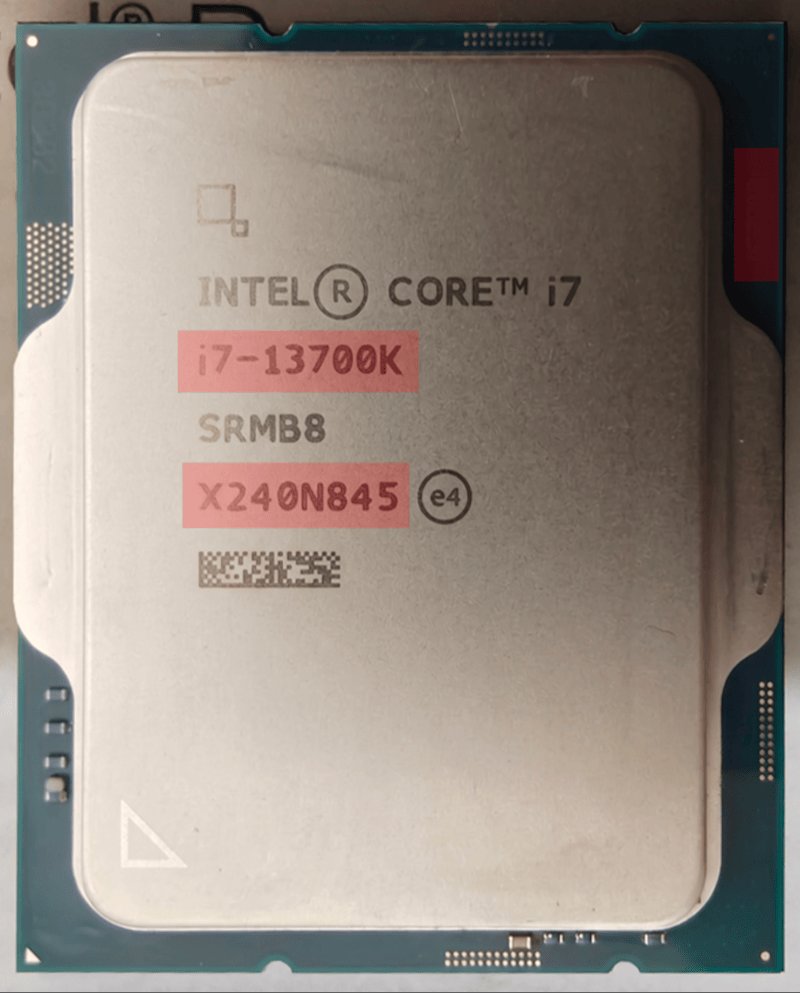
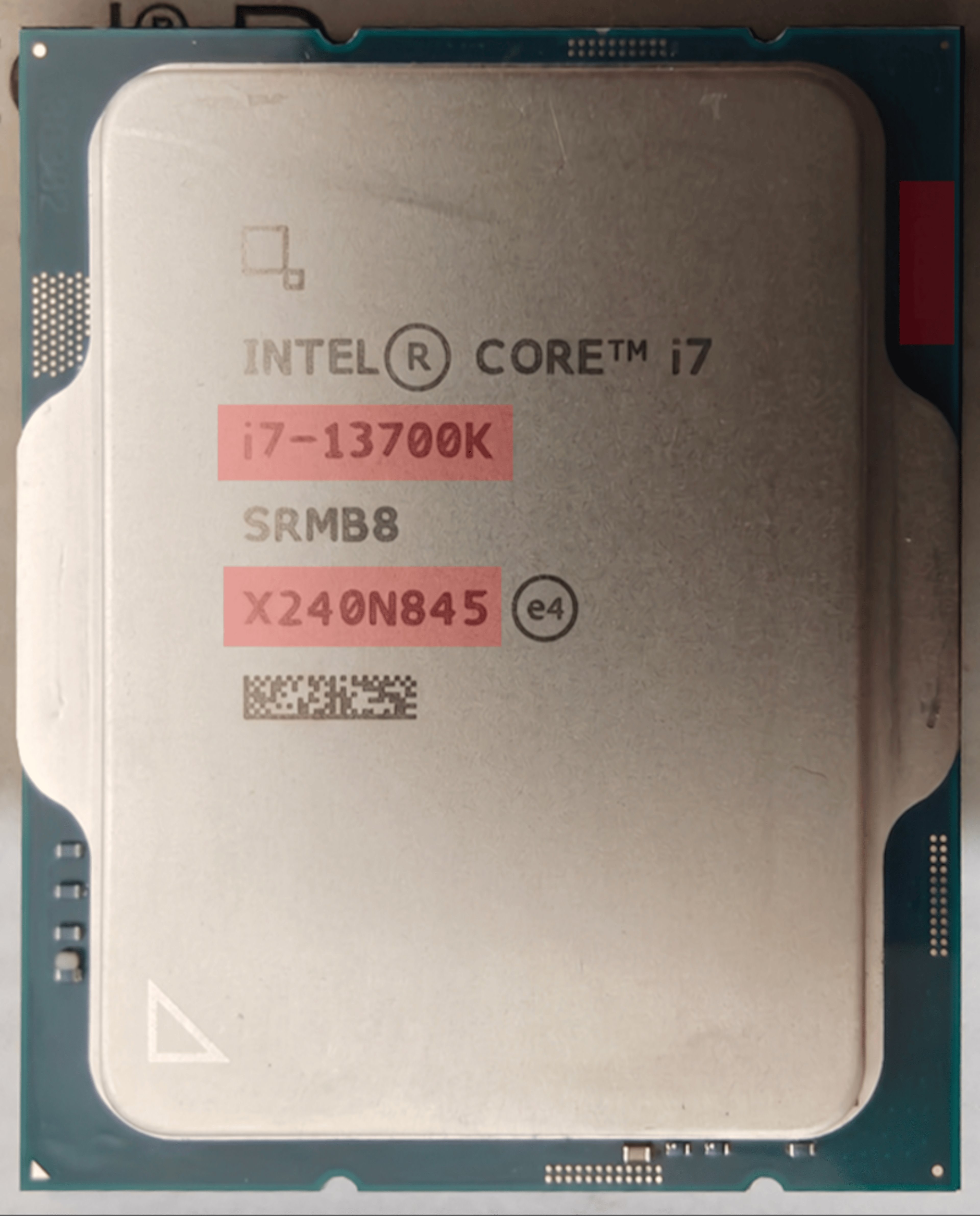
Alan Bonnici’s HackerNoon story, How a Defective i7-13700K Took Down My Proxmox Server, is not a venture funding story in the usual sense. There is no seed round, no investor syndicate, and no startup claiming to reinvent infrastructure. The company at the center is Intel, the product is the Core i7-13700K, and the problem is more uncomfortable than a pitch deck: a desktop-class processor became the weak point in a self-managed virtualization stack.
That makes the story more useful than a standard product announcement. Homelab operators, small businesses, MSPs, and technical founders often build serious systems on hardware that sits between consumer gear and enterprise servers. A Proxmox Virtual Environment host can run databases, firewalls, developer environments, storage services, CI runners, monitoring, media workloads, and test clusters on one box. When that host fails in strange ways, the obvious suspects are usually software, memory, storage, power, or configuration. A defective CPU is lower on the list, partly because modern processors are treated as boringly dependable once they pass basic boot and stress tests.
The i7-13700K challenged that assumption. Intel’s 13th and 14th generation desktop instability issues have been tied to voltage behavior, BIOS defaults, microcode updates, and irreversible degradation in already affected chips. Intel extended warranty coverage for affected desktop processors by two years, bringing many covered parts from three years to five years, after reports of crashes and instability across high-end Raptor Lake systems. Later microcode updates, including 0x129, 0x12B, and 0x12F, were intended to reduce future degradation risk, but firmware cannot make a physically degraded CPU new again.
For Proxmox users, that distinction matters. Virtualization turns one physical machine into many logical machines, so a flaky host can create symptoms that look unrelated. One VM may crash under compilation, another may corrupt a workload, a container may hang during package updates, and the hypervisor logs may point toward kernel panics, I/O waits, watchdog resets, or machine check events. The deeper failure is shared silicon. A single unstable compute substrate can make multiple services appear independently unreliable.
The market positioning angle is also clear. Intel’s Core i7-13700K was not sold as a low-end experiment. It was positioned as a high-performance desktop processor for demanding users, with 16 cores, 24 threads, and boost clocks up to 5.4 GHz according to Intel’s official product specifications. That makes it attractive for homelab builders because it offers strong single-threaded performance, enough cores for several VMs, and wide motherboard availability. It also lacks the full reliability story of enterprise platforms, where ECC memory support, validated firmware channels, remote management, and server-grade lifecycle policies are part of the purchase logic.
This is where the opportunity-focused reading gets interesting. The failure of a Proxmox host is not just an Intel support issue. It exposes a gap in the infrastructure market. There is demand for compact, affordable, quiet virtualization hardware that is more trustworthy than gaming-desktop parts but cheaper and easier to live with than rack servers. Vendors such as Minisforum, ASRock Rack, Supermicro, Framework, and smaller system integrators all orbit parts of this demand. The traction is not always visible as venture funding, because much of the market is bootstrapped, community-driven, or sold through hardware channels rather than SaaS metrics. But the user behavior is real: more developers and operators are running serious local infrastructure again, especially for AI experiments, private cloud tooling, storage, edge services, and security labs.
The problem the system solves is straightforward. Proxmox gives users a capable open source virtualization layer with KVM, LXC containers, clustering, snapshots, backup integration, ZFS support, and a practical web UI. It lets a single server behave like a small data center. That is valuable for founders testing deployment patterns, consultants isolating client environments, engineers learning distributed systems, and privacy-minded users replacing rented services with local ones. The trade-off is that the operator inherits the hardware validation burden usually absorbed by cloud providers or enterprise IT teams.
A defective i7-13700K changes the economics of that choice. The apparent savings from building a high-performance desktop-based server can evaporate if the machine takes days to diagnose, requires motherboard BIOS archaeology, creates downtime across services, or forces a CPU replacement. For a hobbyist, that is frustration. For a small company using a Proxmox box as a local development or office services host, it becomes operational risk.
The technical lesson is that CPU instability often hides behind workload specificity. A system can pass a short synthetic stress test and still fail during mixed real workloads. Virtualization is especially good at creating those mixed workloads. One VM might be doing encryption, another filesystem checks, another package decompression, another idle polling, and another bursty web workload. That mix exercises different cores, cache paths, voltage states, instruction paths, and thermal transitions. If degradation or voltage behavior is marginal, the failure may only appear after hours or days.
That is why diagnosis should become more systematic. Operators should inspect BIOS versions, confirm whether microcode updates are current, apply Intel default power settings where appropriate, watch for WHEA or machine check events, run memory tests, test storage independently, and compare behavior under reduced power limits. On Linux hosts, tools such as journalctl, dmesg, mcelog alternatives, SMART telemetry, ZFS scrub results, and Proxmox task logs can help separate CPU instability from disk, RAM, and kernel-level problems. The Proxmox documentation is a useful baseline for understanding how the platform expects storage, clustering, and virtual machines to behave before blaming the hypervisor.
The skeptical view is that not every crash on a 13th or 14th generation Intel desktop CPU is proof of the same defect. Bad RAM, weak power supplies, aggressive XMP settings, thermal issues, marginal motherboards, and misconfigured storage can all produce similar symptoms. The opportunity is in better tooling, not louder certainty. There is room for diagnostics that correlate firmware, microcode revision, CPU model, voltage settings, workload history, and crash signatures into a practical risk report. That is a product category hiding inside a support headache.
Funding and traction, in this case, sit around the ecosystem rather than the article’s subject. Intel is a public incumbent, not a startup raising a round for this issue. No new funding amount or investor list is attached to Bonnici’s story. The commercial movement is indirect: CPU reliability concerns can push buyers toward workstation boards, AMD alternatives, server-class platforms, managed hosting, or smaller validated appliances. For startups building infrastructure tooling, the lesson is that reliability products often sell when users have lived through an outage they cannot explain.
The broader pattern is that local infrastructure is becoming strategic again. AI development, private data workflows, edge deployments, security testing, and cloud cost control all make local compute attractive. But as more serious work returns to desks, closets, and small offices, the hardware stack has to mature. The market does not need hype about personal clouds. It needs boring accountability: firmware visibility, component validation, warranty clarity, telemetry that normal operators can act on, and systems that fail in diagnosable ways.
Bonnici’s defective i7-13700K story is valuable because it treats a homelab outage as evidence, not drama. A Proxmox host going down is a small event by cloud standards, but it mirrors the same infrastructure truth that larger companies pay heavily to manage. Reliability is not a feature you add after performance. It is the condition that makes performance useful.
Comments
Please log in or register to join the discussion