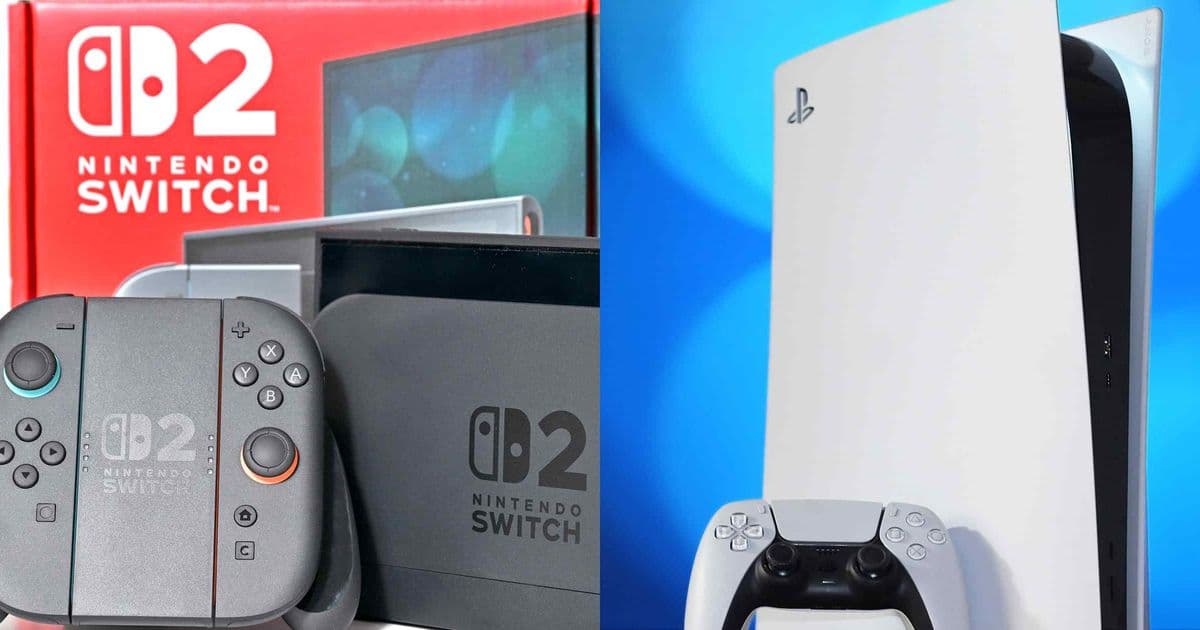
Nintendo and Sony are betting on their established gaming ecosystems and hardware expertise to weather the generative AI revolution, focusing on unique experiences rather than competing directly with AI-driven content creation.
The gaming industry stands at a crossroads as generative AI transforms content creation across entertainment sectors. While AI threatens to disrupt traditional media production, Nintendo and Sony are positioning their gaming platforms to not just survive but thrive in this new landscape.
The AI Challenge to Gaming
Generative AI has already begun reshaping how games are developed and consumed. Tools like Midjourney and DALL-E can create game assets in seconds, while language models can generate dialogue, quests, and even entire game narratives. This technology threatens to democratize game development, potentially flooding the market with AI-generated content.
For console manufacturers, the concern is that players might migrate to cheaper, AI-generated experiences on mobile or PC platforms. Why pay $70 for a AAA game when an AI could generate a similar experience on demand?
Nintendo's Strategy: The Power of IP and Hardware Innovation
Nintendo has long relied on its unique intellectual property portfolio—Mario, Zelda, Pokemon—as its competitive moat. The upcoming Switch 2 continues this tradition, focusing on exclusive first-party titles that AI cannot easily replicate. Nintendo's games are built on decades of design refinement, character development, and world-building that gives them cultural resonance beyond mere gameplay mechanics.
The Switch 2's hybrid design—combining portable and home console gaming—remains difficult for purely software-based platforms to match. Nintendo's strength lies in creating hardware-software ecosystems where the whole exceeds the sum of its parts. The Switch's motion controls, detachable controllers, and unique form factor created gaming experiences that couldn't be replicated on standard hardware.
Sony's Approach: Premium Experiences and Ecosystem Lock-in
Sony's PlayStation strategy focuses on delivering premium, cinematic gaming experiences that justify their premium price points. The PlayStation 5's advanced hardware—including its custom SSD and haptic feedback controllers—enables experiences that AI-generated games would struggle to match in the near term.
Sony is also doubling down on its subscription services like PlayStation Plus, creating ecosystem lock-in that makes it harder for players to abandon the platform. By offering a library of hundreds of games for a monthly fee, Sony provides value that individual AI-generated experiences cannot easily compete with.
The Human Element: Why AI Can't Replace Game Development
Despite AI's capabilities, game development remains fundamentally a creative endeavor. The best games succeed not just through graphics or mechanics, but through emotional storytelling, character development, and the careful crafting of player experiences. These elements require human creativity that AI, at least currently, cannot replicate.
Nintendo and Sony's first-party studios employ hundreds of developers, artists, and writers who bring unique creative visions to their projects. The success of games like "The Legend of Zelda: Breath of the Wild" or "God of War" comes from the human touch in level design, narrative pacing, and the subtle details that make virtual worlds feel alive.
Looking Ahead: Adaptation Rather Than Resistance
Rather than fighting against AI, both companies are likely to embrace it as a tool for developers. AI can assist with asset creation, testing, and even some aspects of game design, allowing human developers to focus on the creative elements that matter most.
The gaming industry has weathered numerous technological disruptions—from mobile gaming to cloud streaming—and emerged stronger each time. The key has been adaptation rather than resistance. Nintendo and Sony understand that their value proposition extends beyond raw processing power or content volume.
The Bottom Line
Nintendo and Sony's gaming platforms will survive the AI boom not by competing with AI on content creation, but by doubling down on what makes gaming special: unique hardware experiences, beloved intellectual property, and the human creativity that brings virtual worlds to life. The Switch 2 and PlayStation 5 represent continued investment in these strengths, ensuring that console gaming remains relevant even as AI transforms the broader entertainment landscape.
The future of gaming isn't about AI replacing human developers—it's about how traditional gaming companies can use AI to enhance their existing strengths while maintaining the creative vision that has made their platforms successful for decades.
Comments
Please log in or register to join the discussion